The Importance of Residue-Free Cleaning in Aerospace Component Manufacturing

March 11, 2026

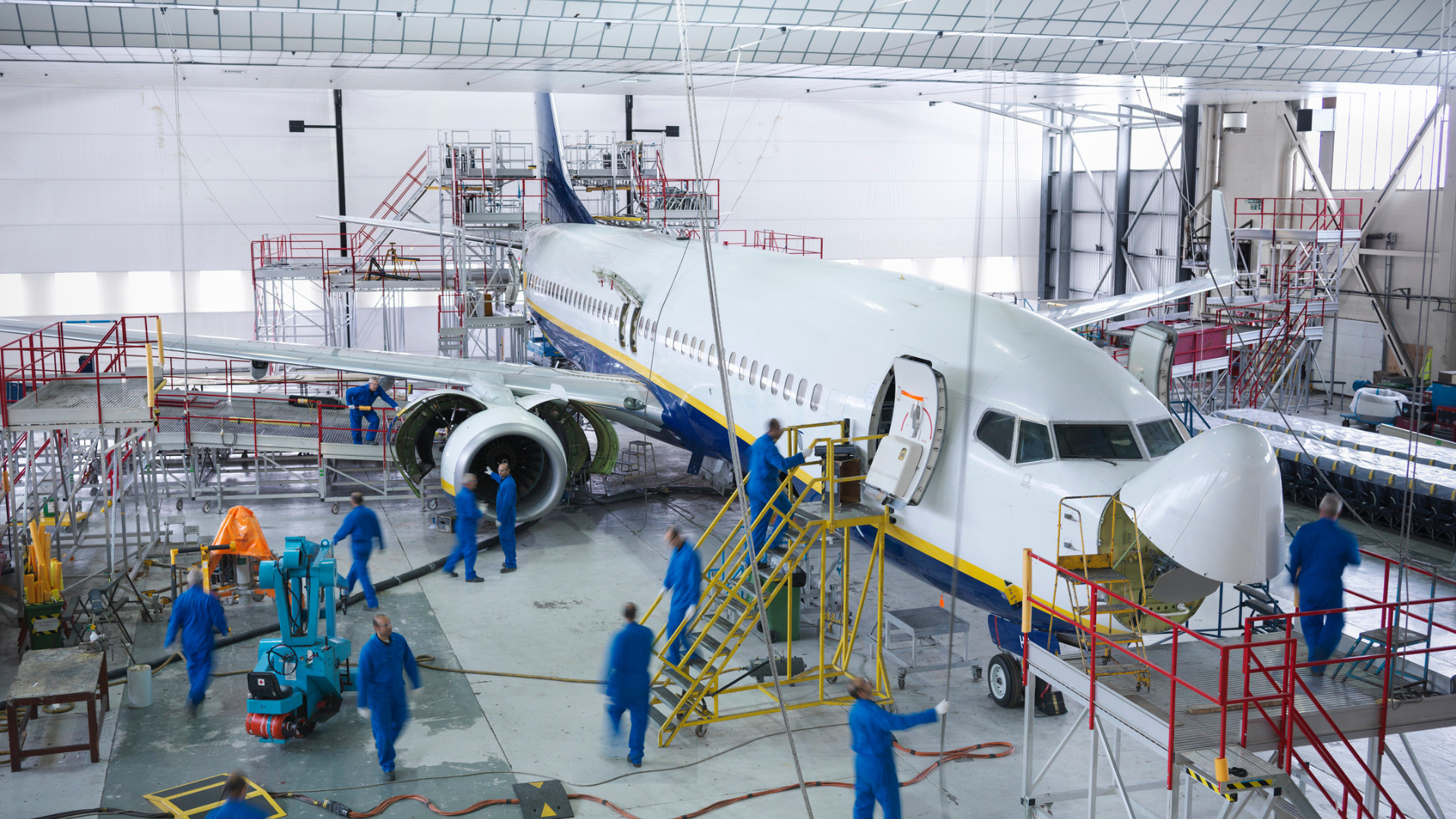
In aerospace manufacturing, precision is everything. Every component that goes into an aircraft must meet strict performance standards, because even the smallest imperfection can affect safety, reliability, and long-term durability. While machining, forming, and assembly processes often receive the most attention, there is another critical step that is just as important: cleaning.


Residue-free cleaning plays a vital role in aerospace manufacturing. Oils, machining fluids, metal particles, and other contaminants can remain on parts after fabrication. If these residues are not completely removed before assembly, coating, or installation, they can compromise both the performance and longevity of aerospace components. This is why manufacturers place such strong emphasis on effective cleaning processes that leave surfaces completely free of contamination.
Why Cleanliness Matters in Aerospace Manufacturing

Aircraft operate in extreme environments. Components experience temperature fluctuations, vibration, pressure changes, and mechanical stress. For these systems to function properly, every part must fit together precisely and operate without interference.


Contaminants left behind during manufacturing can disrupt this precision in several ways. Residue from lubricants or cutting fluids can interfere with bonding processes, while microscopic particles can affect tolerances in tightly engineered components. Even very small amounts of contamination may lead to performance issues if they are not removed prior to assembly.


Because of this, aerospace manufacturers often require rigorous cleaning standards that ensure surfaces are free from oils, grease, dust, and machining residue before moving to the next stage of production.
The Risks of Contamination

Residues may appear harmless, but their impact can be significant. In aerospace manufacturing environments, contaminants can lead to several problems:

  • Poor adhesion of coatings, paints, or sealants
  • Reduced bonding strength in adhesive assembly processes
  • Corrosion or chemical reactions on metal surfaces
  • Interference with moving mechanical parts
  • Reduced electrical conductivity in electronic components

In some cases, contamination can even contribute to premature wear or system malfunction. For manufacturers operating under strict quality standards, these risks are unacceptable.
Surface Preparation Before Coating and Assembly

Many aerospace components undergo coating or finishing processes designed to improve durability and corrosion resistance. These coatings only perform properly when applied to a clean surface.


If oil, grease, or machining residue remains on the part, coatings may fail to bond correctly. This can result in peeling, bubbling, or uneven protection over time. Proper cleaning ensures that protective finishes adhere evenly and perform as intended.


Similarly, bonding processes that rely on adhesives require surfaces that are completely free of contaminants. Residues can weaken adhesion and reduce structural integrity.
Precision Cleaning in Modern Manufacturing

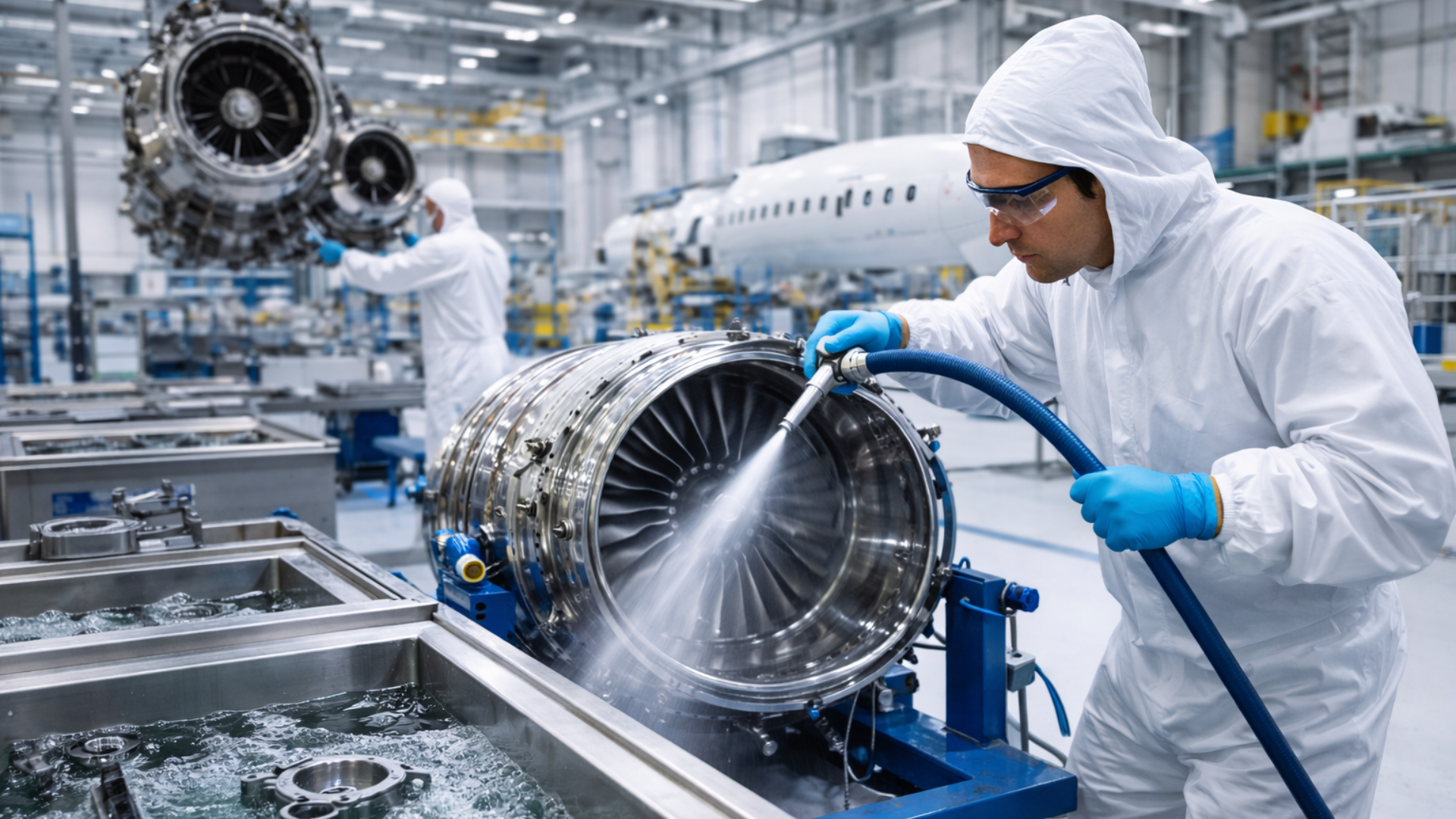
Today’s aerospace manufacturers rely on specialized cleaning processes that remove contamination without damaging delicate components. These methods may include immersion cleaning, spray systems, ultrasonic cleaning, or controlled chemical treatments designed to dissolve oils and residues effectively.


The goal is always the same: remove contaminants completely while preserving the integrity of the material being cleaned.


Cleaning chemistry must be carefully formulated to break down industrial oils, grease, and machining fluids while remaining safe for sensitive materials such as aluminum, titanium, composites, and precision alloys.
The Role of Environmentally Responsible Cleaning Solutions

Historically, many industrial cleaning processes relied on harsh solvents. While these chemicals could remove contaminants effectively, they often presented environmental and worker safety concerns.


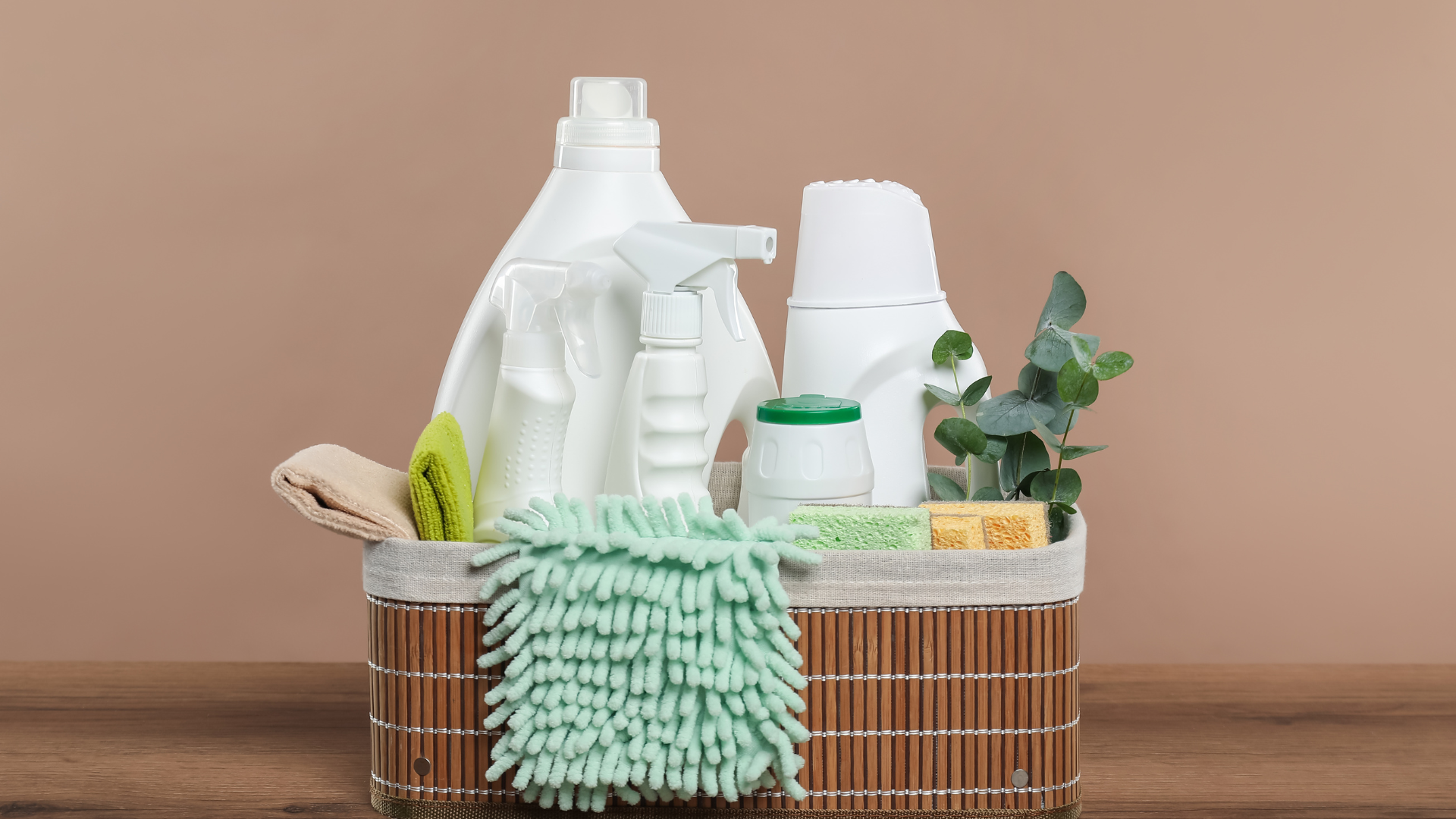
Today, many aerospace manufacturers are transitioning toward environmentally responsible cleaning solutions that deliver high-performance results while reducing environmental impact. Low-VOC and biodegradable cleaning formulations are becoming increasingly common as manufacturers seek to balance performance with regulatory compliance and sustainability goals.


Green Power Chemical develops advanced cleaning products designed to meet these needs. By combining effective cleaning chemistry with environmentally responsible formulations, modern solutions can remove oils, residues, and contaminants without relying on hazardous solvents.
Protecting Quality and Safety

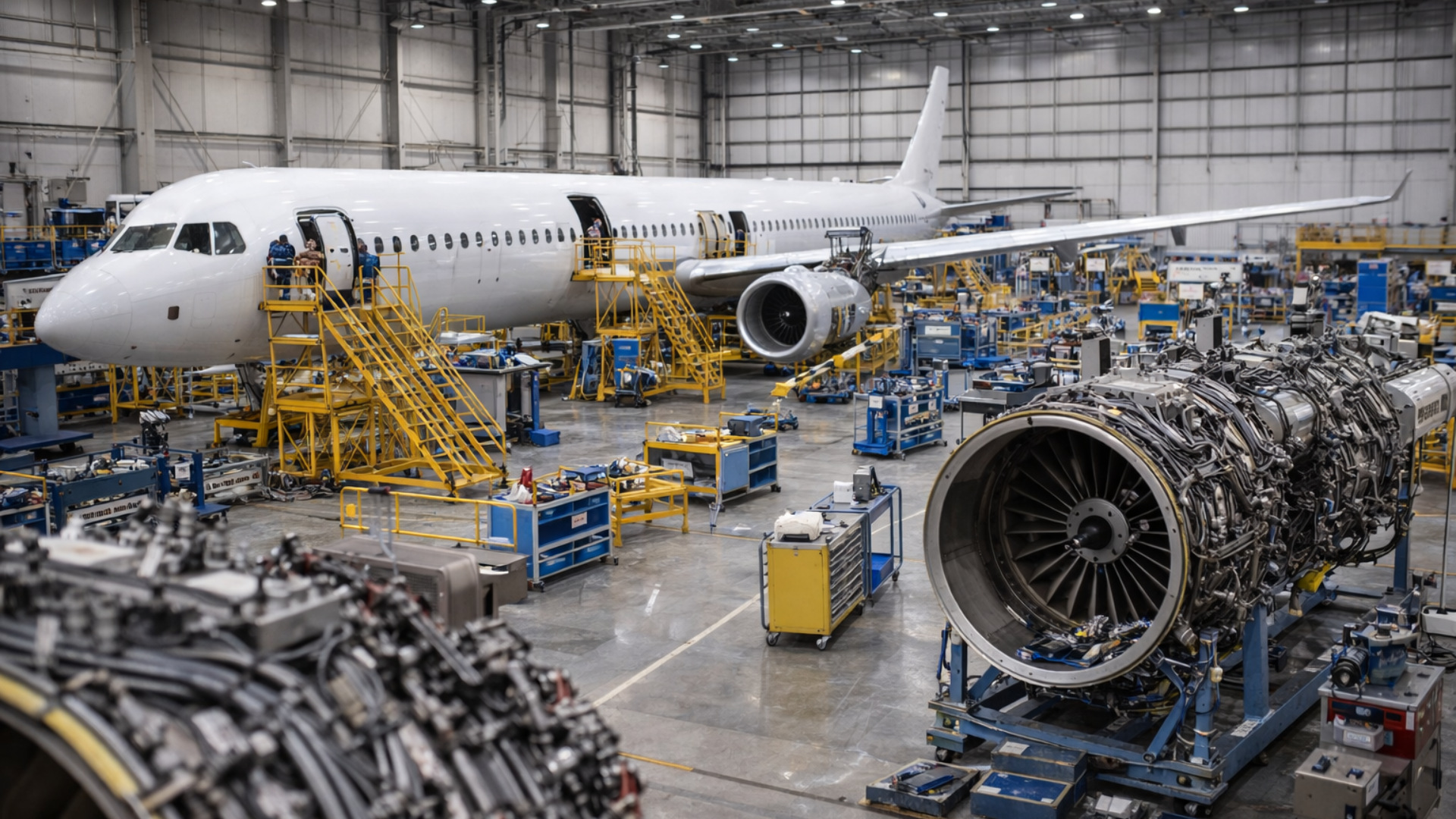
Residue-free cleaning may not be the most visible step in aerospace manufacturing, but it is one of the most important. Without proper cleaning, even perfectly manufactured components can fail to perform as intended.


By ensuring that surfaces are completely free of contamination before assembly, coating, or installation, manufacturers protect both product quality and operational safety. In an industry where precision and reliability are essential, effective cleaning is not optional. It is a fundamental part of the manufacturing process.


Green Power Chemical supports these efforts by providing industrial cleaning solutions designed to help manufacturers achieve the high standards required in aerospace production. Through effective and environmentally responsible cleaning technologies, manufacturers can maintain the precision and reliability that modern aviation demands.

You can contact us by phone at 800-932-9371, by emailing us at peter@greenpowerchemical.com, or through the contact form here on our site.
March 4, 2026
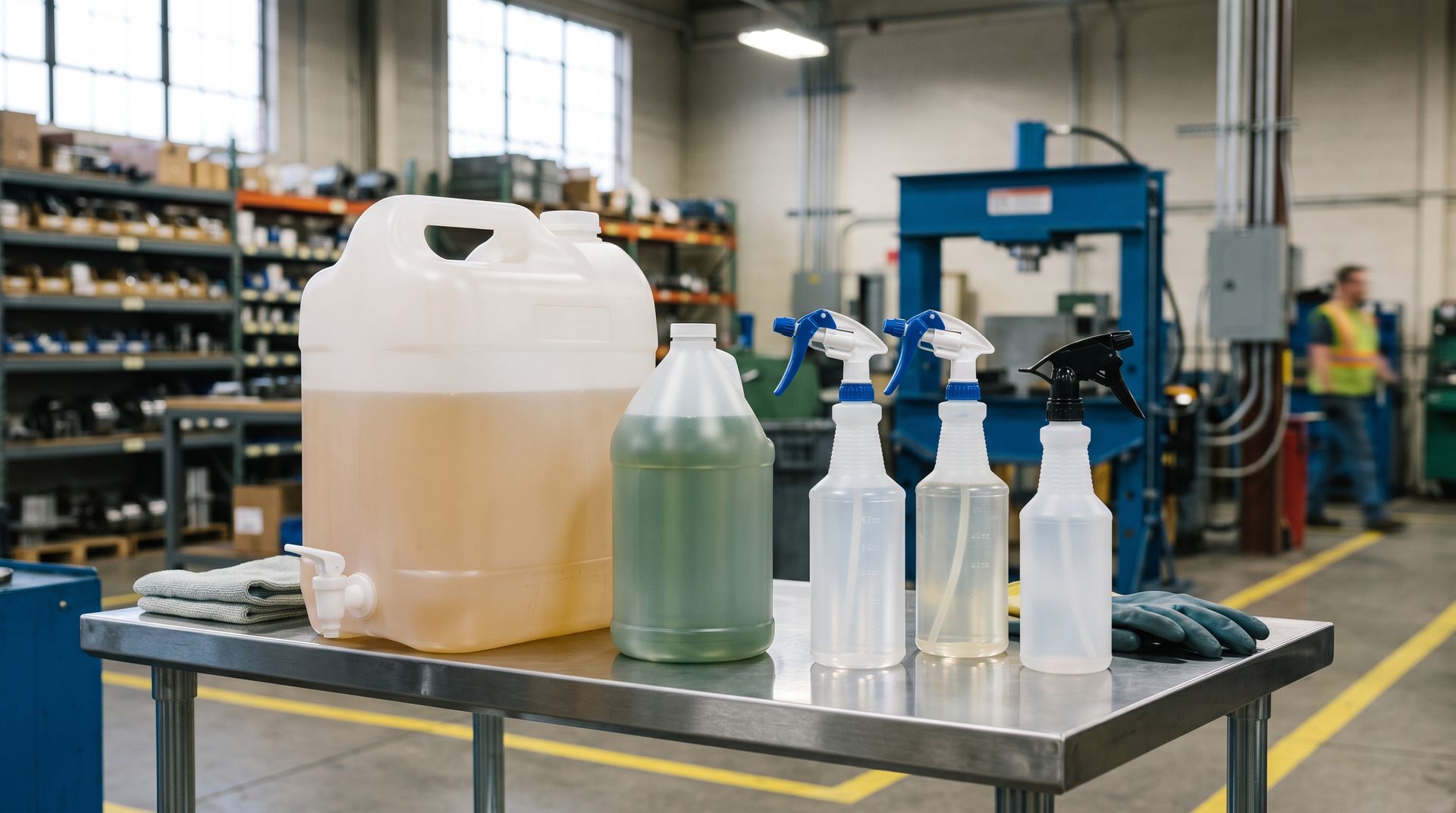
Industrial cleaning plays a critical role in manufacturing, aerospace, automotive, and heavy equipment operations. From degreasing metal components to preparing surfaces for coating, cleaning is essential to quality control. However, what happens after the cleaning process is just as important as the cleaning itself. Wastewater discharge regulations are becoming increasingly strict, and companies must ensure their cleaning operations align with federal, state, and local environmental standards.  At Green Power Chemical, we understand that wastewater compliance is not just a regulatory concern. It is a financial and operational priority. Selecting the right cleaning chemistry can significantly reduce discharge risks, simplify compliance, and protect both workers and the environment.
February 25, 2026
In aerospace manufacturing, performance tolerances are measured in fractions of millimeters and safety margins are calculated with rigorous engineering precision. In this environment, surface contamination is not a minor inconvenience. It can compromise bonding strength, coating adhesion, electrical conductivity, corrosion resistance, and overall component reliability. Precision cleaning is therefore not optional. It is a foundational step in aerospace quality assurance.  From airframe assemblies to turbine components, even microscopic residues such as oils, particulates, machining fluids, or polishing compounds can interfere with performance. Aerospace manufacturers operate under strict quality standards that demand repeatable and verifiable cleanliness. The integrity of each component depends not only on design and material selection but also on how effectively it is cleaned before final assembly or coating.
February 18, 2026
Industrial degreasers are essential tools in manufacturing plants, automotive facilities, food processing environments, and maintenance operations. Grease, oil, and heavy residues can interfere with equipment performance, create safety hazards, and compromise product quality. For many years, the assumption was that the strongest degreaser available was automatically the best choice. Today, that assumption deserves closer examination.  Modern facilities face increasing pressure to balance cleaning performance with worker safety, regulatory compliance, and environmental responsibility. An effective industrial degreaser should deliver powerful results without introducing unnecessary risk.
February 11, 2026
In occupied commercial buildings, cleaning must balance effectiveness with the health and comfort of the people inside. Offices, schools, healthcare facilities, retail spaces, and multi tenant buildings all present a unique challenge. Cleaning needs to be thorough, yet it cannot disrupt daily operations or negatively affect indoor air quality . One factor that is often underestimated in this equation is odor.  Low-odor cleaning products play an important role in maintaining safe, comfortable, and compliant environments, especially when facilities remain in use during cleaning activities.
February 4, 2026
Graffiti is a persistent challenge for property owners, municipalities, and facility managers. While fast removal is important for maintaining appearance and discouraging repeat vandalism, the methods used to remove graffiti matter just as much as the outcome. Traditional graffiti removal products often rely on harsh solvents that raise concerns about worker safety, regulatory compliance, and environmental impact. Green cleaning products offer a safer and more sustainable alternative without sacrificing performance.
January 29, 2026
Not all industrial cleaning challenges are the same, and no single cleaner formulation is ideal for every application. One of the most overlooked factors in cleaner selection is formulation type. Foam, gel, and liquid cleaners are designed to behave differently once applied, and those differences directly affect performance, safety, and efficiency. Understanding when to use each formulation helps facilities clean more effectively while avoiding unnecessary chemical use or surface damage.
January 21, 2026
Employee retention is influenced by many factors , including compensation, management, and workplace culture. One factor that is often overlooked is the physical environment in which employees work every day. In industrial and commercial settings, the cleaning products used throughout a facility play a direct role in worker comfort, safety, and overall job satisfaction. Over time, the choice of cleaning chemistry can affect not only compliance but also workforce stability.
January 16, 2026
Preventive maintenance is a critical part of keeping industrial and commercial equipment operating efficiently. While maintenance programs often focus on inspections, lubrication, and component replacement, the role of cleaning is sometimes underestimated. The type of cleaning chemicals used can directly affect equipment longevity, safety, and compliance. Green cleaning chemicals play an increasingly important role in preventive maintenance strategies across many industries.
January 7, 2026
In industrial and commercial cleaning, attention is often focused on how a chemical is applied. While proper application techniques are important, the selection of the chemical itself plays a far greater role in safety, compliance, and performance. Choosing the wrong product can introduce unnecessary risks, even when applied correctly. At Green Power Chemical, we emphasize that responsible chemical selection is the foundation of effective and compliant cleaning practices.
December 30, 2025
The beginning of a new year is an important planning period for businesses. Compliance strategies are reviewed, safety goals are updated, and operational risks are reassessed. For many facilities, cleaning chemicals are an overlooked part of this process. At Green Power Chemical, we believe the New Year is the right time to align cleaning practices with regulatory compliance, worker safety, and environmental responsibility.