Why Precision Cleaning Is Critical in Aerospace Manufacturing
In aerospace manufacturing, performance tolerances are measured in fractions of millimeters and safety margins are calculated with rigorous engineering precision. In this environment, surface contamination is not a minor inconvenience. It can compromise bonding strength, coating adhesion, electrical conductivity, corrosion resistance, and overall component reliability. Precision cleaning is therefore not optional. It is a foundational step in aerospace quality assurance.
From airframe assemblies to turbine components, even microscopic residues such as oils, particulates, machining fluids, or polishing compounds can interfere with performance. Aerospace manufacturers operate under strict quality standards that demand repeatable and verifiable cleanliness. The integrity of each component depends not only on design and material selection but also on how effectively it is cleaned before final assembly or coating.
The Risk of Contamination in Aerospace Systems
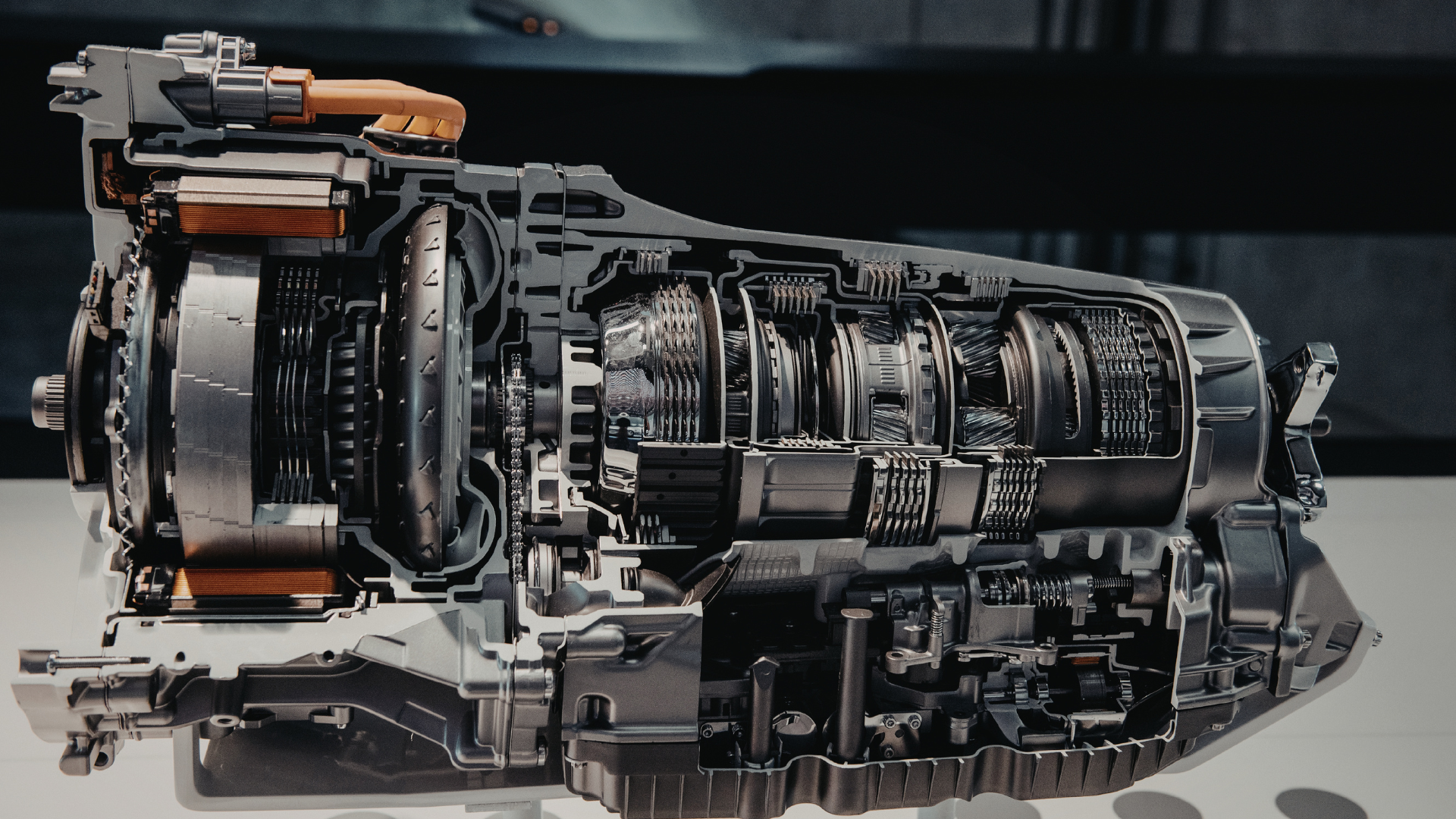
Aerospace components are exposed to extreme conditions, including high temperatures, pressure fluctuations, vibration, and environmental stress. When contaminants remain on a surface, they may act as initiation points for corrosion, fatigue cracking, or adhesive failure. In bonded assemblies, residual oils or films can weaken adhesion, leading to long-term structural concerns.
Similarly, contaminants on electrical connectors or avionics components may interfere with conductivity. Even small particles trapped in precision assemblies can affect fit and performance. Because aircraft systems must meet stringent
FAA and international regulatory standards, manufacturers cannot afford inconsistency in surface preparation.
Cleanliness as a Quality Control Metric
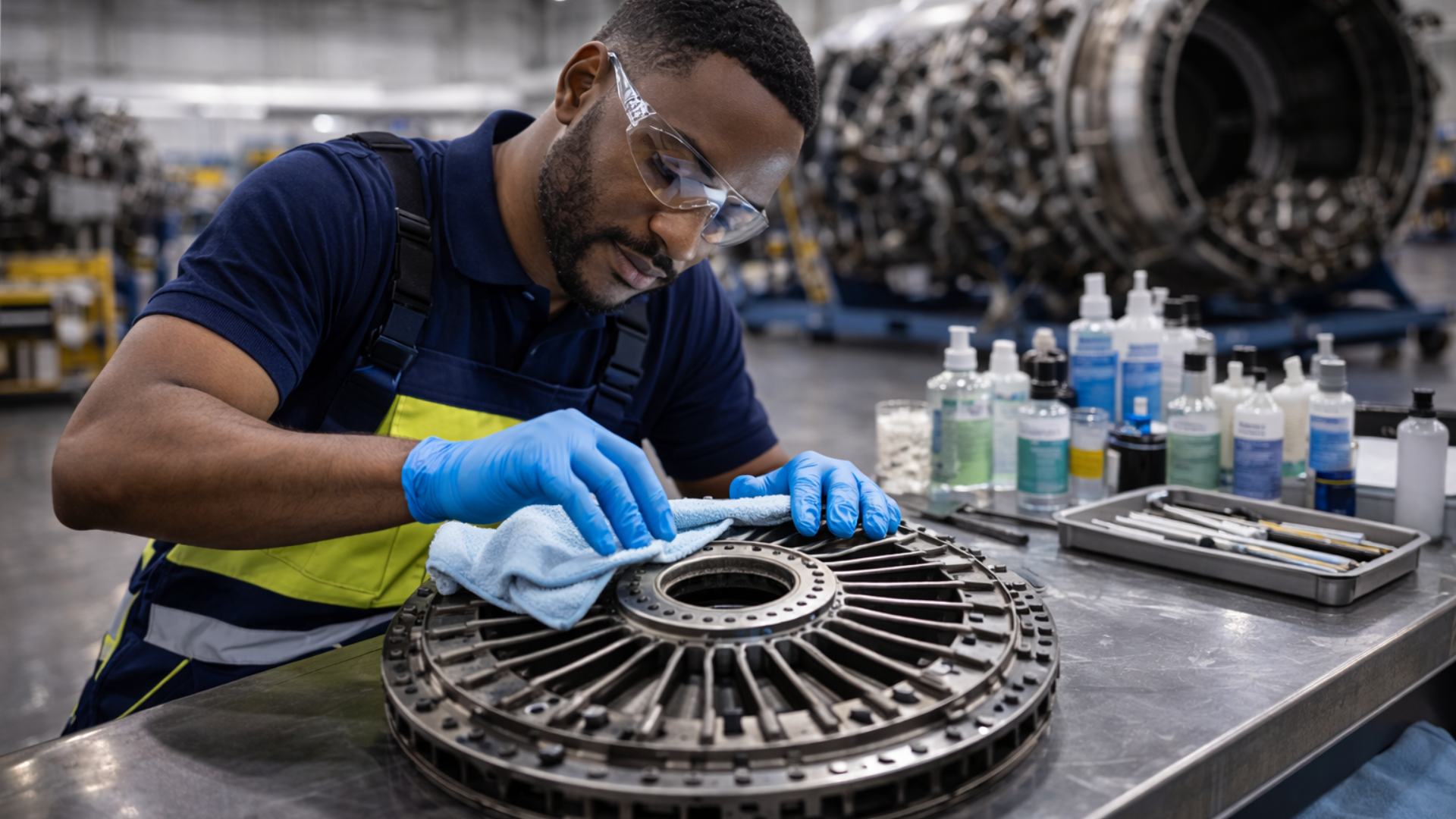
Precision cleaning is often integrated directly into aerospace quality control protocols. Cleanliness levels may be verified using surface testing methods, residue analysis, or particulate measurement. Documentation and traceability are also essential, particularly in audited production environments.
Effective cleaning solutions must remove contaminants thoroughly without leaving behind harmful residues. The goal is not simply a visibly clean surface but one that meets defined engineering specifications. This distinction is especially important in high-performance industries where invisible contamination may have measurable consequences.
Balancing Performance and Material Protection
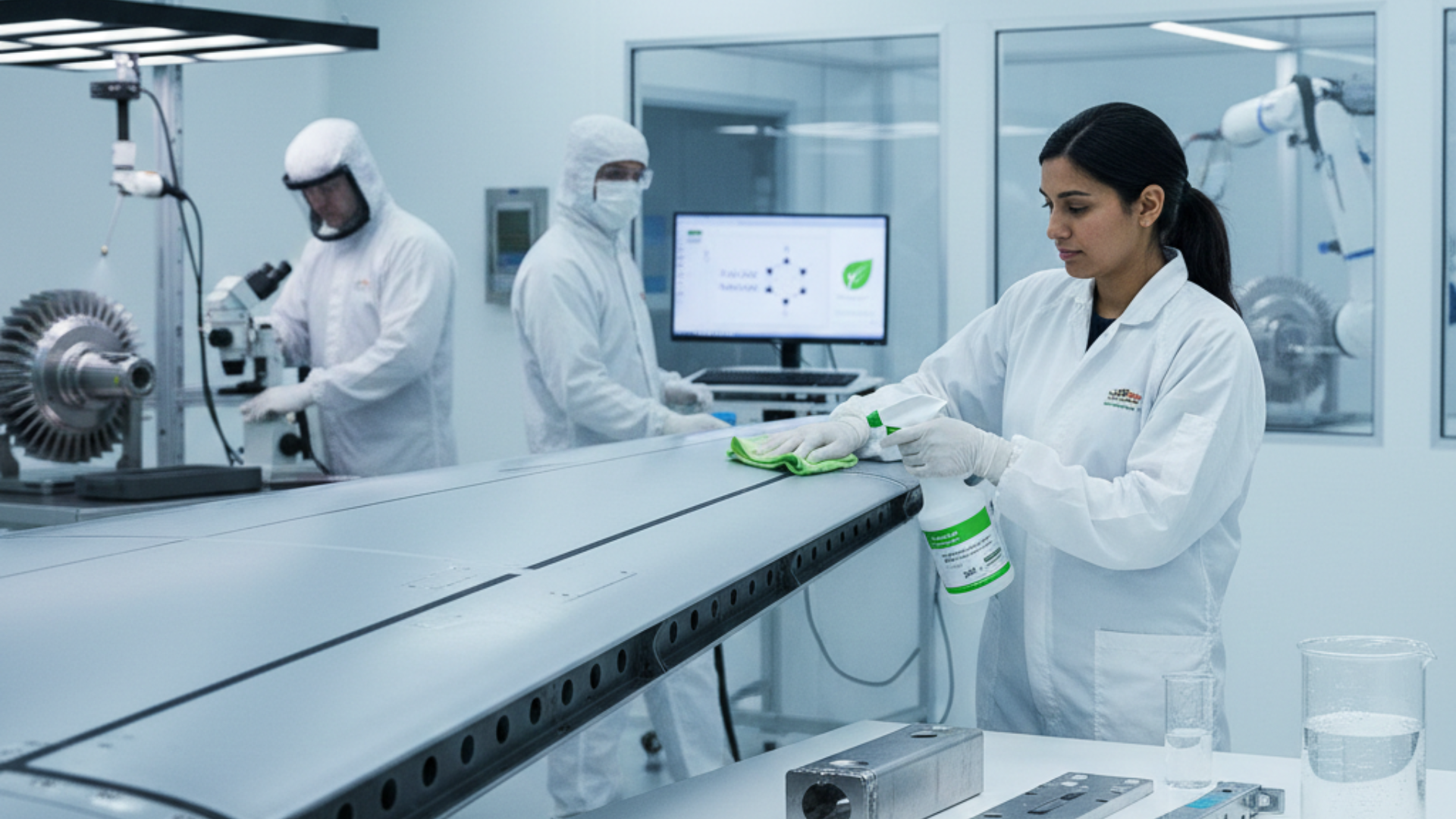
Aerospace manufacturing frequently involves advanced materials, including aluminum alloys, titanium, composites, and specialty coatings. Cleaning products must be strong enough to remove oils and soils yet gentle enough to avoid etching, pitting, or damaging sensitive substrates.
Traditional solvent-based cleaners have historically been used for heavy-duty degreasing. However, many of these products contain high levels of volatile organic compounds, which present environmental and worker safety concerns. Modern aerospace facilities increasingly seek alternatives that maintain performance standards while supporting regulatory compliance and occupational safety.
Green Power Chemical develops low-VOC, environmentally responsible cleaning formulations designed to support industrial performance requirements. In aerospace settings, aqueous and green chemistry solutions can provide effective degreasing and contaminant removal while reducing exposure to hazardous fumes and minimizing environmental impact.
Supporting Regulatory and Environmental Standards
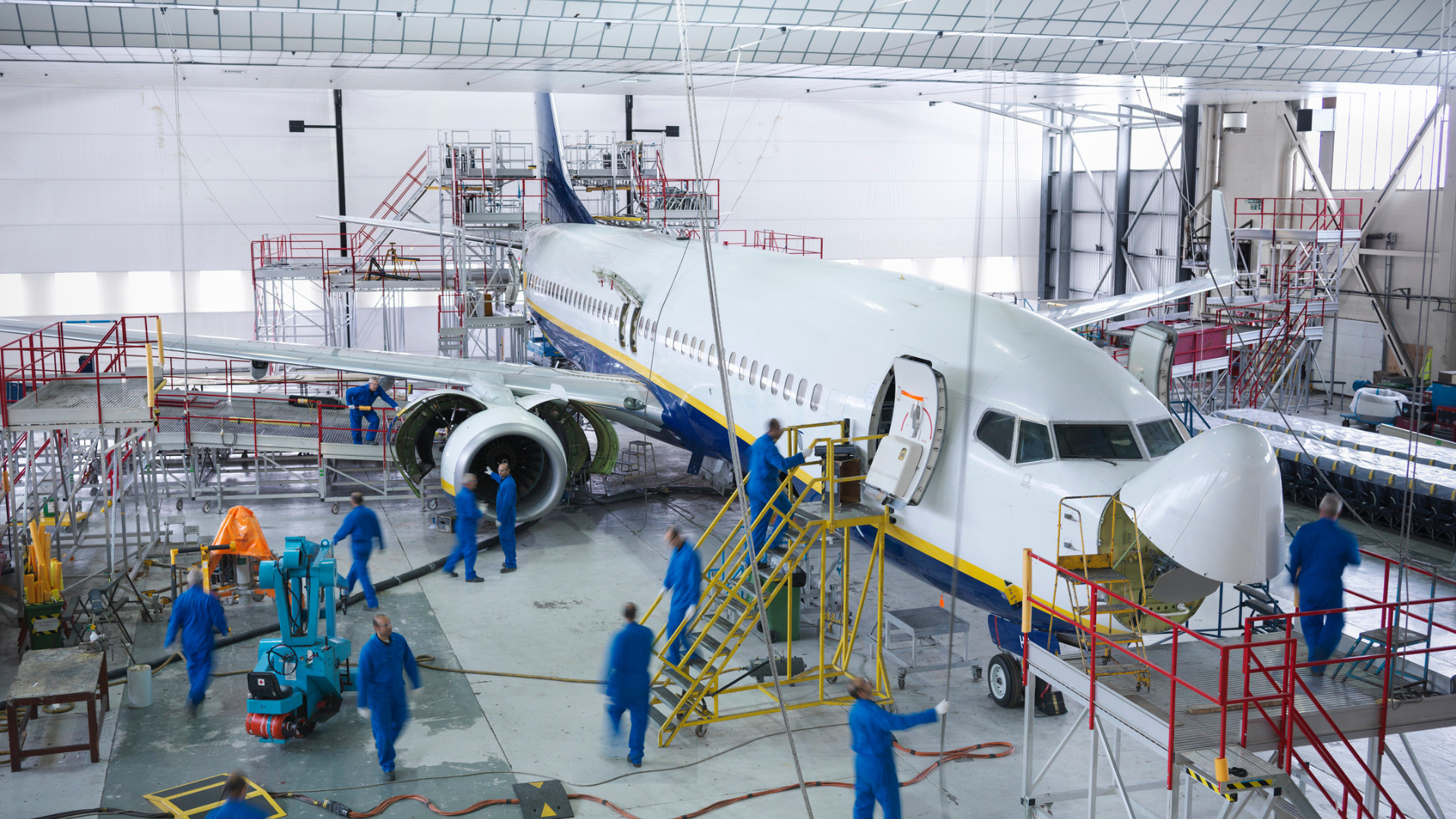
Aerospace manufacturing operates within a complex regulatory landscape that includes OSHA workplace standards and environmental regulations governing emissions and waste handling. Cleaning processes that rely heavily on high-VOC solvents can increase compliance challenges.
Transitioning to eco-friendly cleaning systems may help facilities reduce emissions, improve indoor air quality, and simplify hazardous waste management. At the same time, cleaning effectiveness must remain uncompromised. A successful aerospace cleaning program balances performance, compliance, and sustainability.
Consistency Drives Reliability
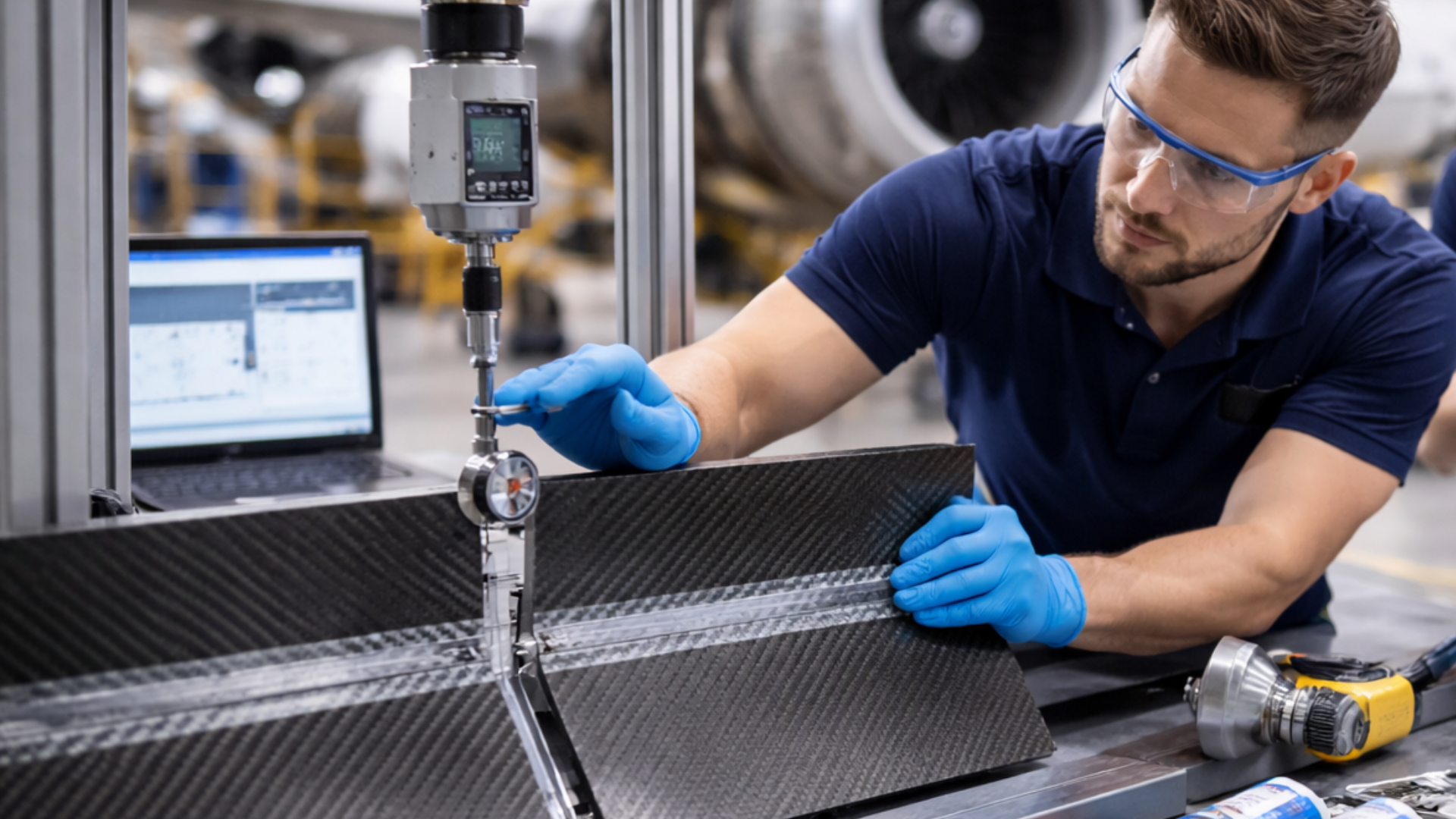
In aerospace manufacturing, consistency is critical. A cleaning process must deliver repeatable results across production cycles. Variability in contaminant removal can lead to inconsistent coating adhesion or bonding strength, which may affect product longevity.
Selecting the appropriate cleaning chemistry, validating processes, and maintaining disciplined application protocols all contribute to predictable outcomes. Precision cleaning is not a single step but an integrated part of a broader quality management system.

Clean Surfaces Support Safe Flight
Ultimately, aerospace manufacturing is about safety and reliability. Every component, from structural panels to engine parts, must perform under demanding conditions. Precision cleaning ensures that materials and assemblies function as intended without interference from residual contaminants.
Green Power Chemical supports aerospace manufacturers seeking effective, low-VOC cleaning solutions that align with strict performance requirements. In a field where margins for error are minimal, precision cleaning remains a critical safeguard for both product integrity and passenger safety.
You can contact us by phone at 800-932-9371, by emailing us at peter@greenpowerchemical.com, or through the contact form here on our site.