The Most Overlooked Sources of Industrial Contamination

June 25, 2026

When facility managers think about industrial contamination, obvious sources often come to mind first. Oil leaks, grease buildup, dirt, and visible debris are easy to identify and address. However, some of the most persistent contamination problems originate from sources that are frequently overlooked during routine maintenance and cleaning programs.


These hidden contaminants can affect equipment performance, workplace safety, product quality, and overall operational efficiency. Understanding where contamination originates is an important step toward developing a more effective cleaning strategy.
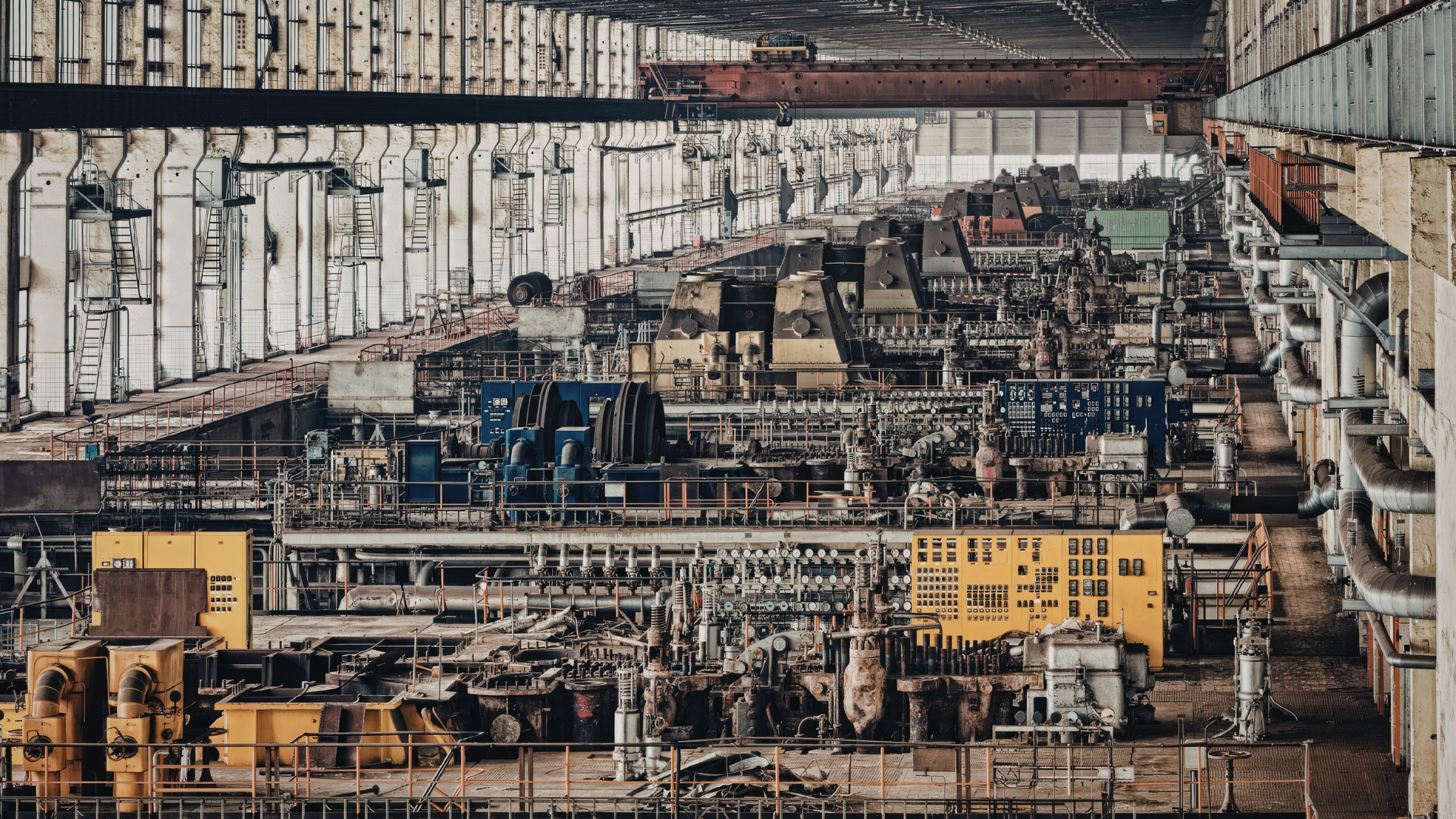
Airborne Dust and Particulates

One of the most common yet overlooked sources of contamination is airborne dust.


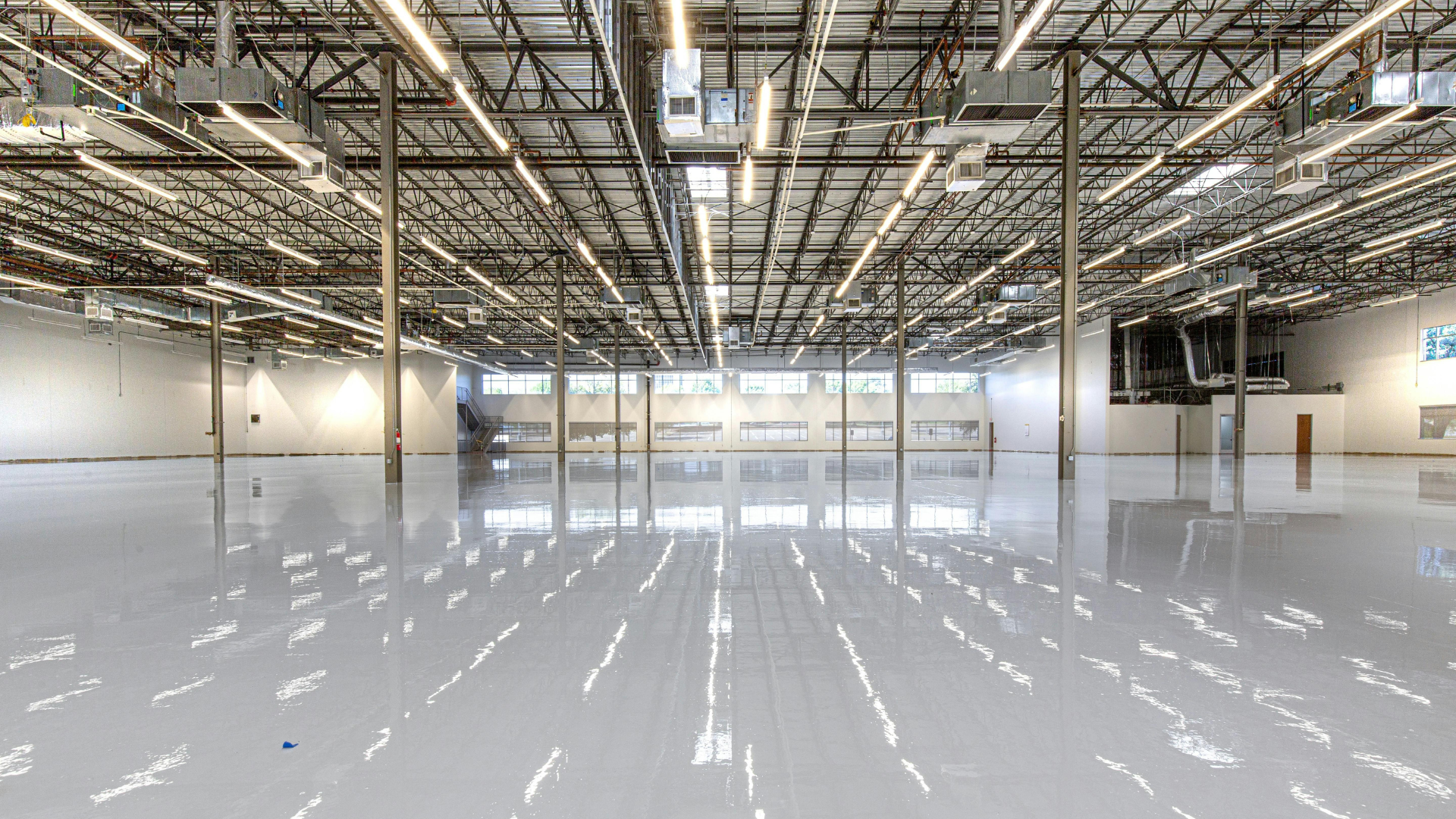
Industrial facilities generate dust from a wide variety of activities, including manufacturing, packaging, material handling, shipping, receiving, and routine facility traffic. Even facilities that appear relatively clean may experience ongoing dust accumulation on equipment, shelving, floors, and production surfaces.


Over time, dust can infiltrate machinery, interfere with moving components, and create additional cleaning challenges. In some environments, excessive dust accumulation may also contribute to safety concerns and reduced operational efficiency.


Because dust often accumulates gradually, it is easy to underestimate its impact.
Employee Traffic

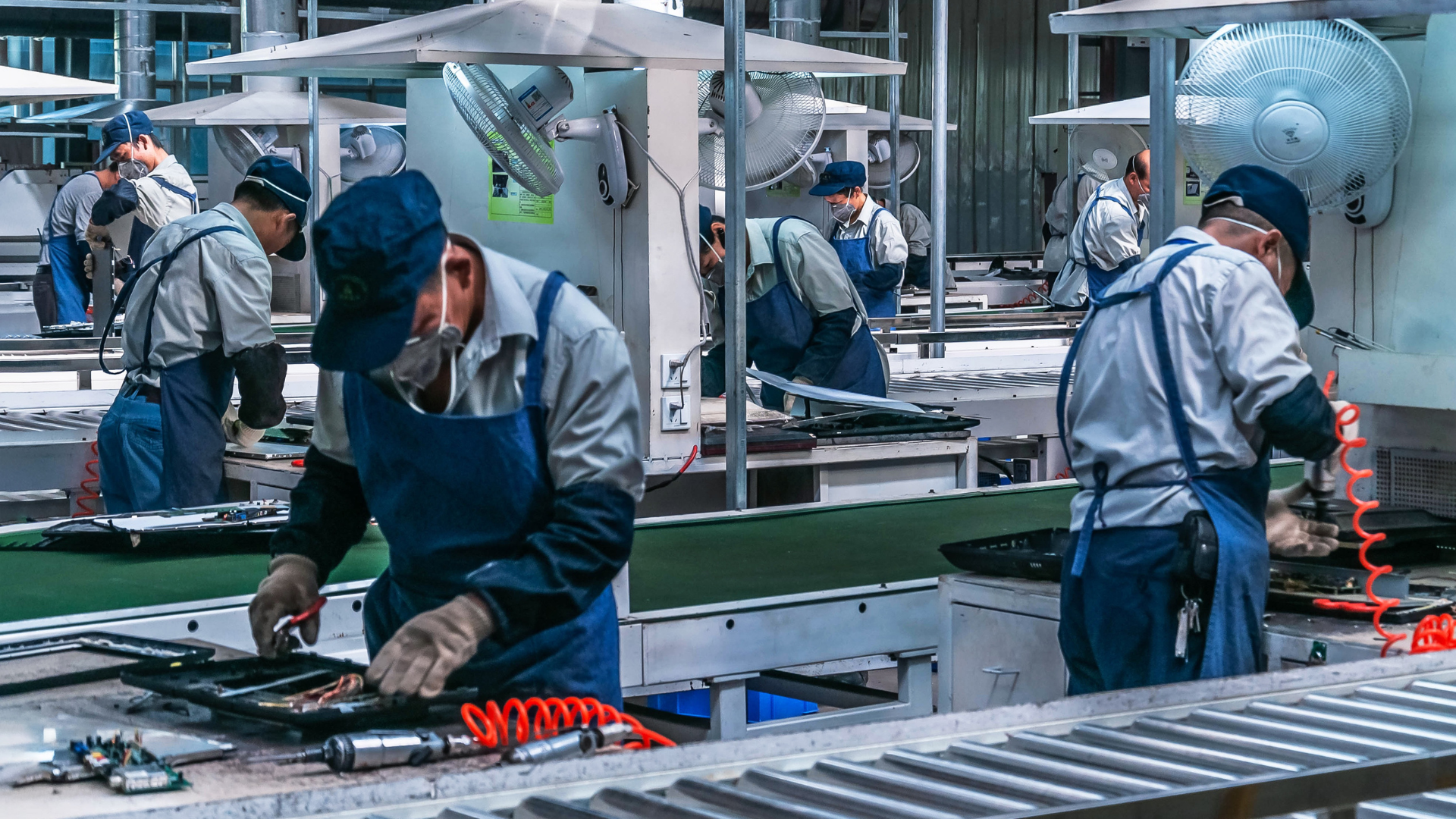
People move contaminants throughout a facility every day.


Employees, contractors, visitors, and vendors routinely track dirt, moisture, oils, and other substances into work areas. Forklifts, pallet jacks, carts, and vehicles can have a similar effect.


While individual instances may seem insignificant, thousands of daily movements can introduce substantial contamination over time. Entryways, loading docks, production areas, and maintenance spaces are particularly vulnerable.


Regular cleaning helps address these contaminants before they spread throughout the facility.
Material Handling Equipment

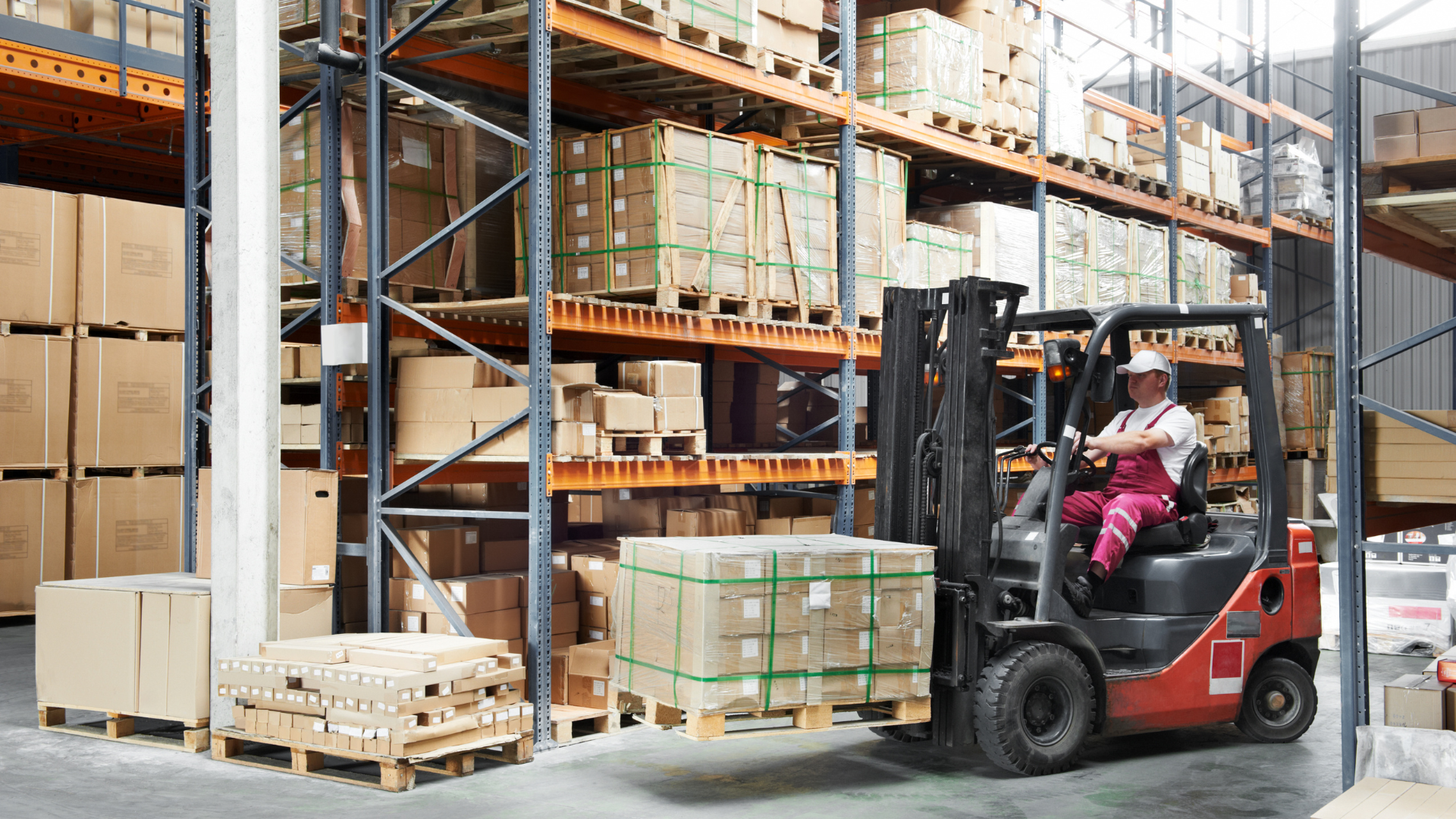
Forklifts and other material handling equipment often contribute to contamination in ways that are not immediately obvious.


Hydraulic fluids, lubricants, tire residue, and accumulated dirt can gradually transfer onto facility floors and work surfaces. In busy warehouses and manufacturing environments, this process occurs continuously.


Without consistent cleaning, these residues can accumulate and create slippery conditions, attract additional dirt, and increase maintenance requirements.
Residue From Maintenance Activities

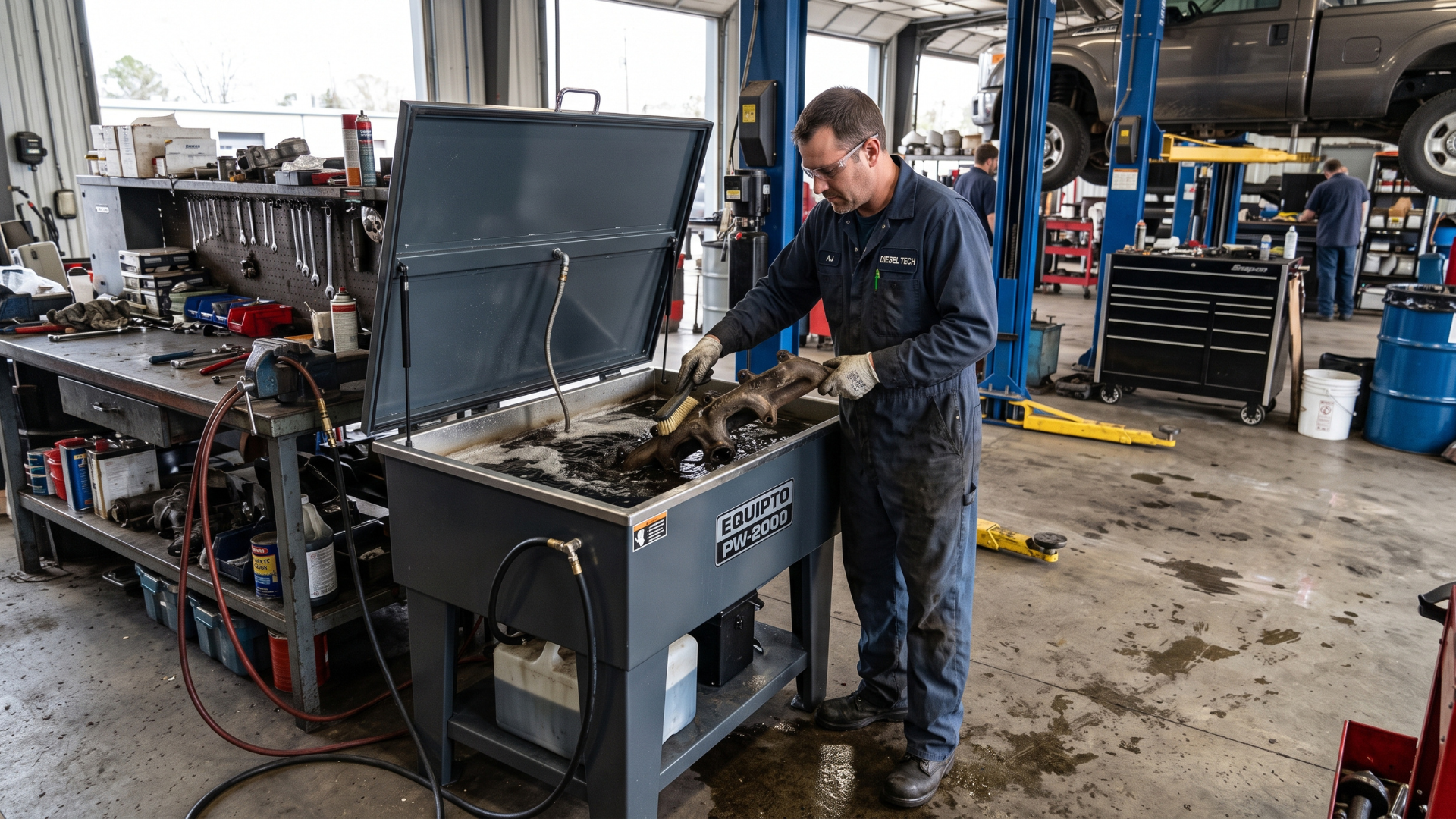
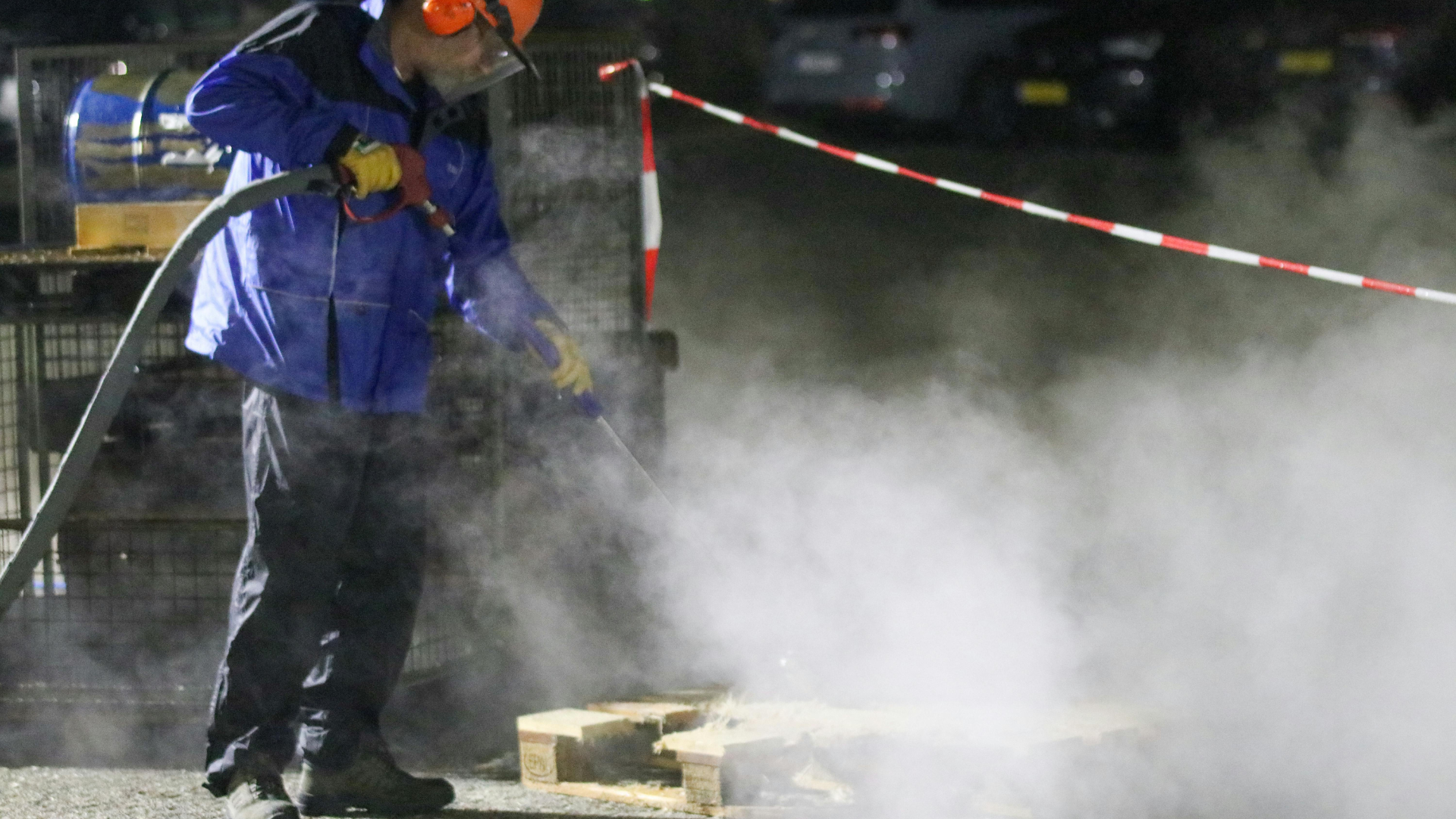
Maintenance operations themselves can sometimes introduce contaminants.


Lubricants, greases, cleaning agents, adhesives, and repair materials may leave behind residues that attract dust and debris. While these products serve important purposes, excess material that is not properly removed can contribute to ongoing contamination problems.


This is particularly true in equipment-intensive environments where maintenance activities occur frequently.


Integrating cleaning into maintenance procedures helps minimize these issues.

Packaging Materials and Shipping Operations

Warehouses and distribution facilities often experience contamination from packaging materials.


Cardboard dust, plastic fragments, shrink wrap remnants, tape residue, and other packaging-related materials can accumulate surprisingly quickly. These contaminants may affect floors, equipment, storage systems, and workspaces.


Because packaging debris is often viewed as a normal part of operations, it may not receive the same attention as more obvious contaminants.


However, over time, these materials can contribute significantly to overall facility cleanliness challenges.
Hidden Residue on Equipment Surfaces

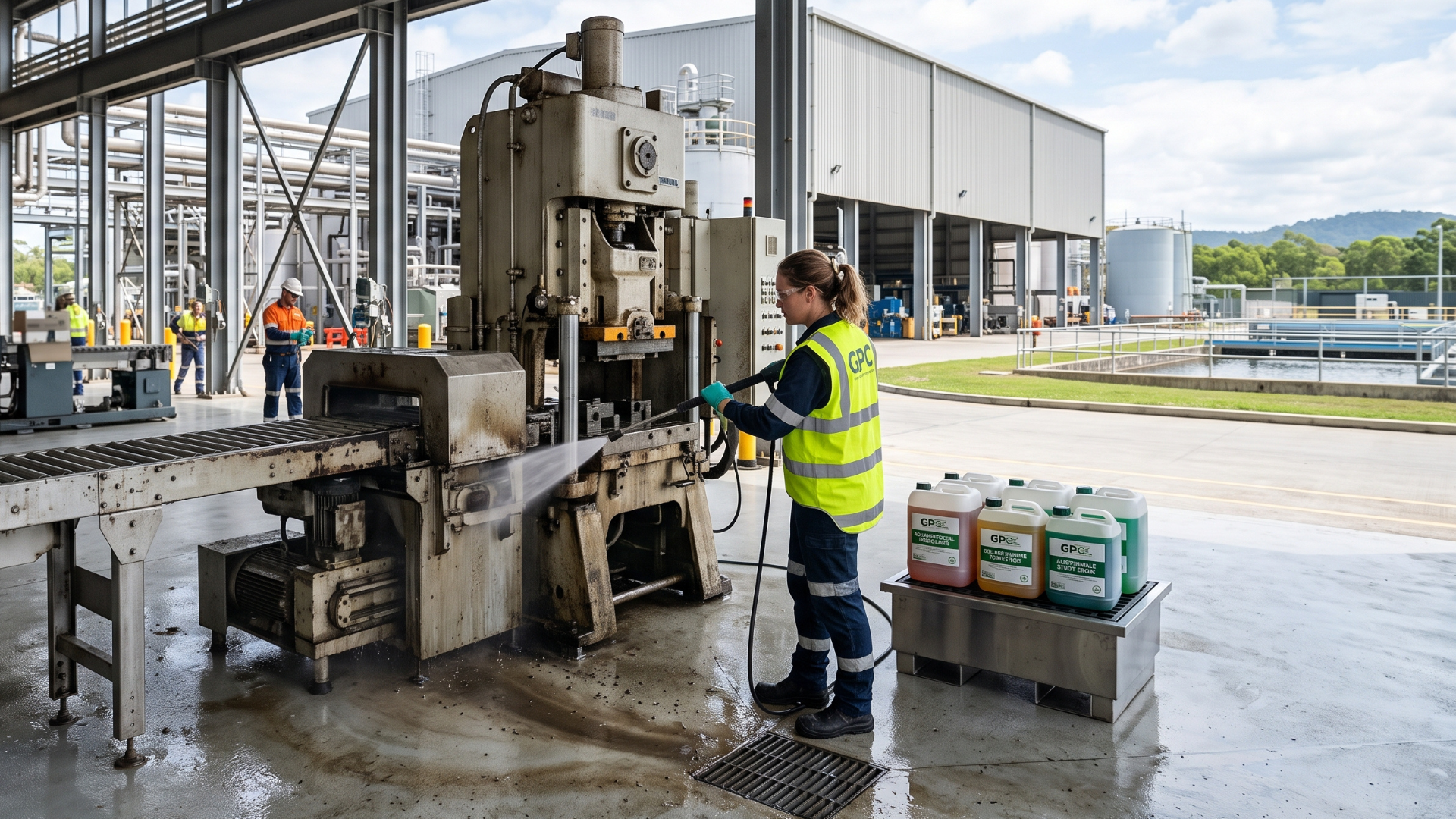
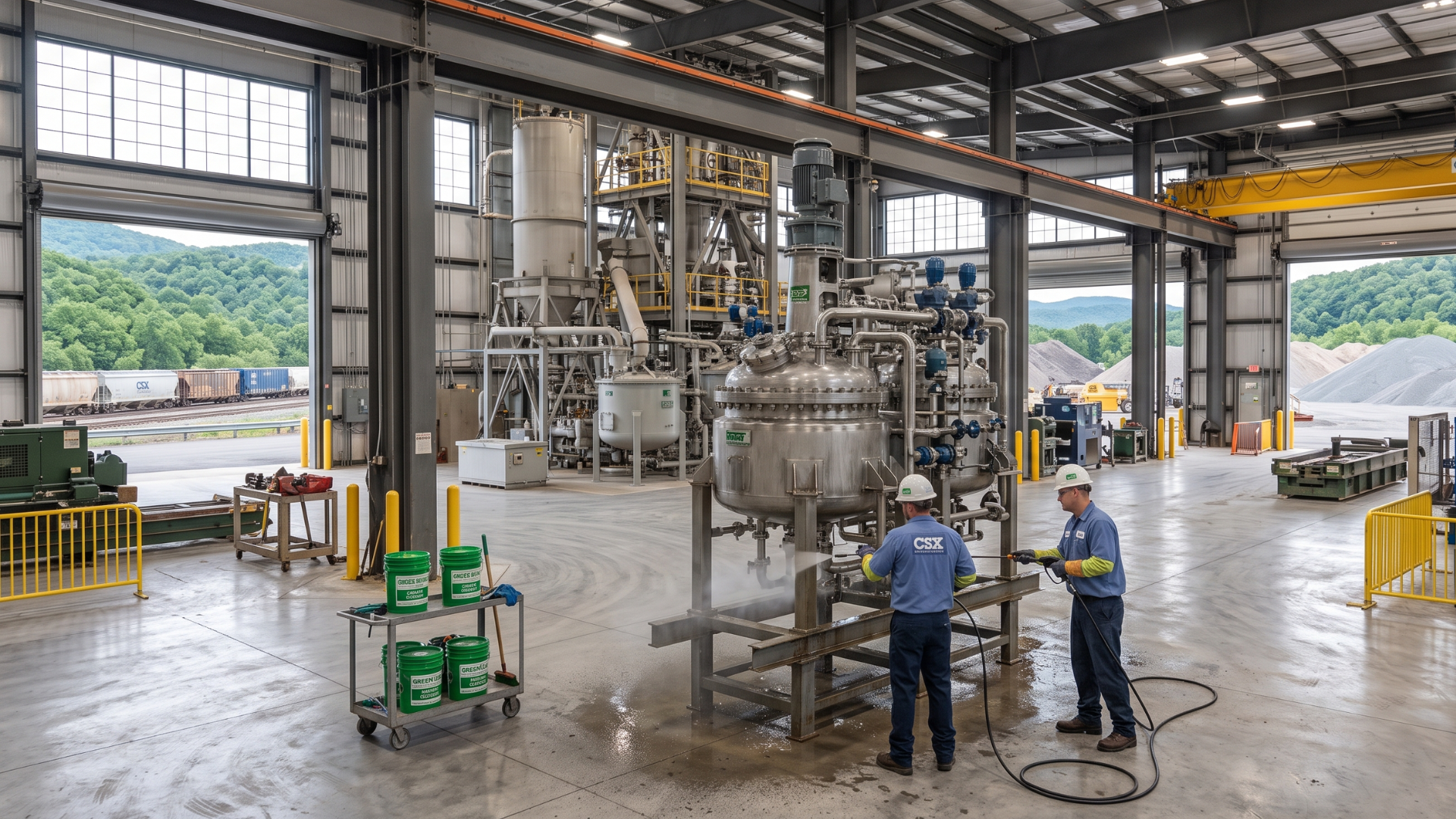
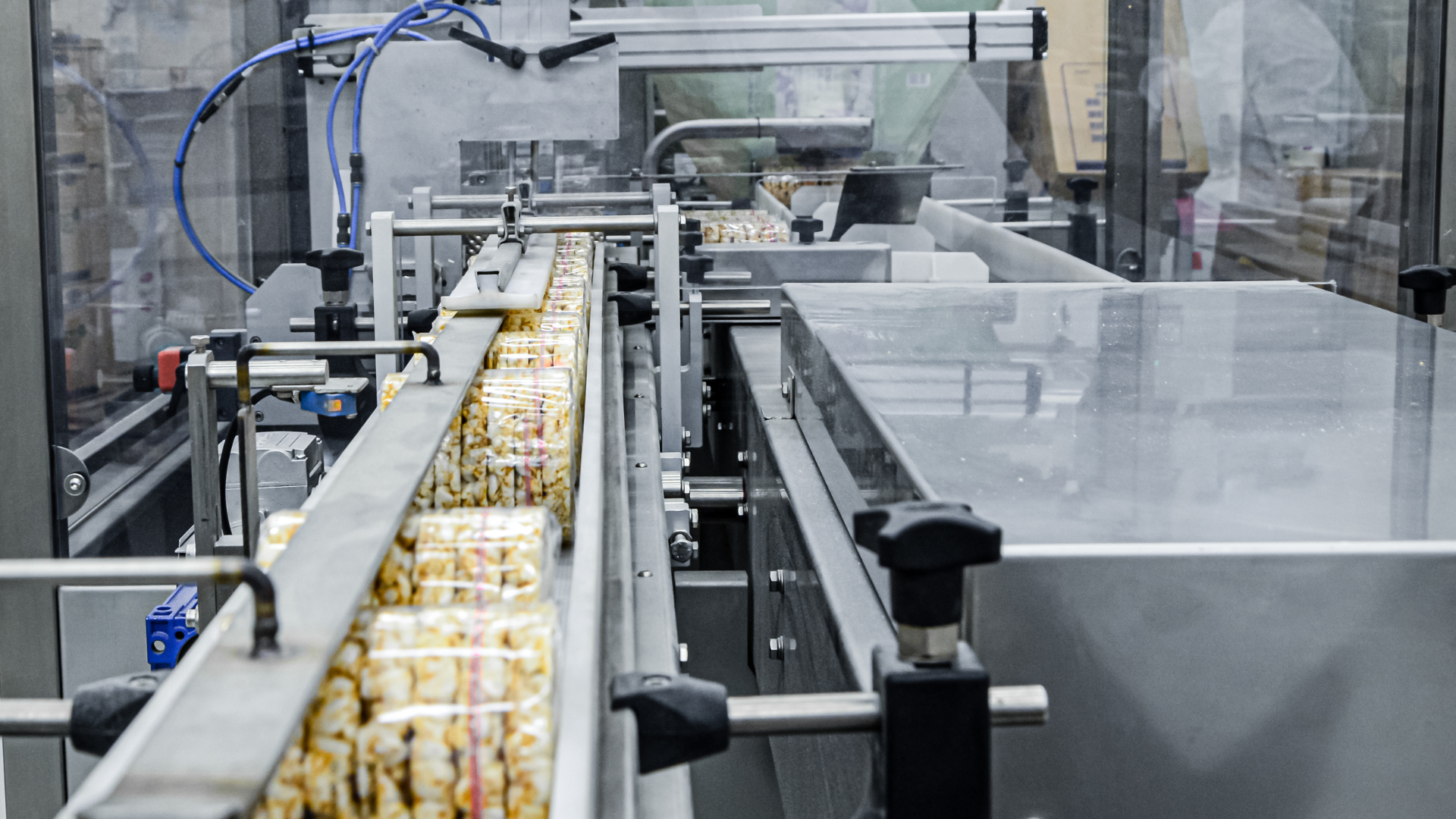
Industrial equipment frequently accumulates contamination that is not immediately visible.


Grease films, oil residue, chemical deposits, and fine particulate buildup can develop gradually on machinery surfaces. Even when equipment appears relatively clean, these contaminants may continue accumulating beneath covers, inside enclosures, or on hard-to-reach components.


Regular cleaning and inspection help identify these hidden issues before they affect performance or maintenance efforts.
Water and Moisture

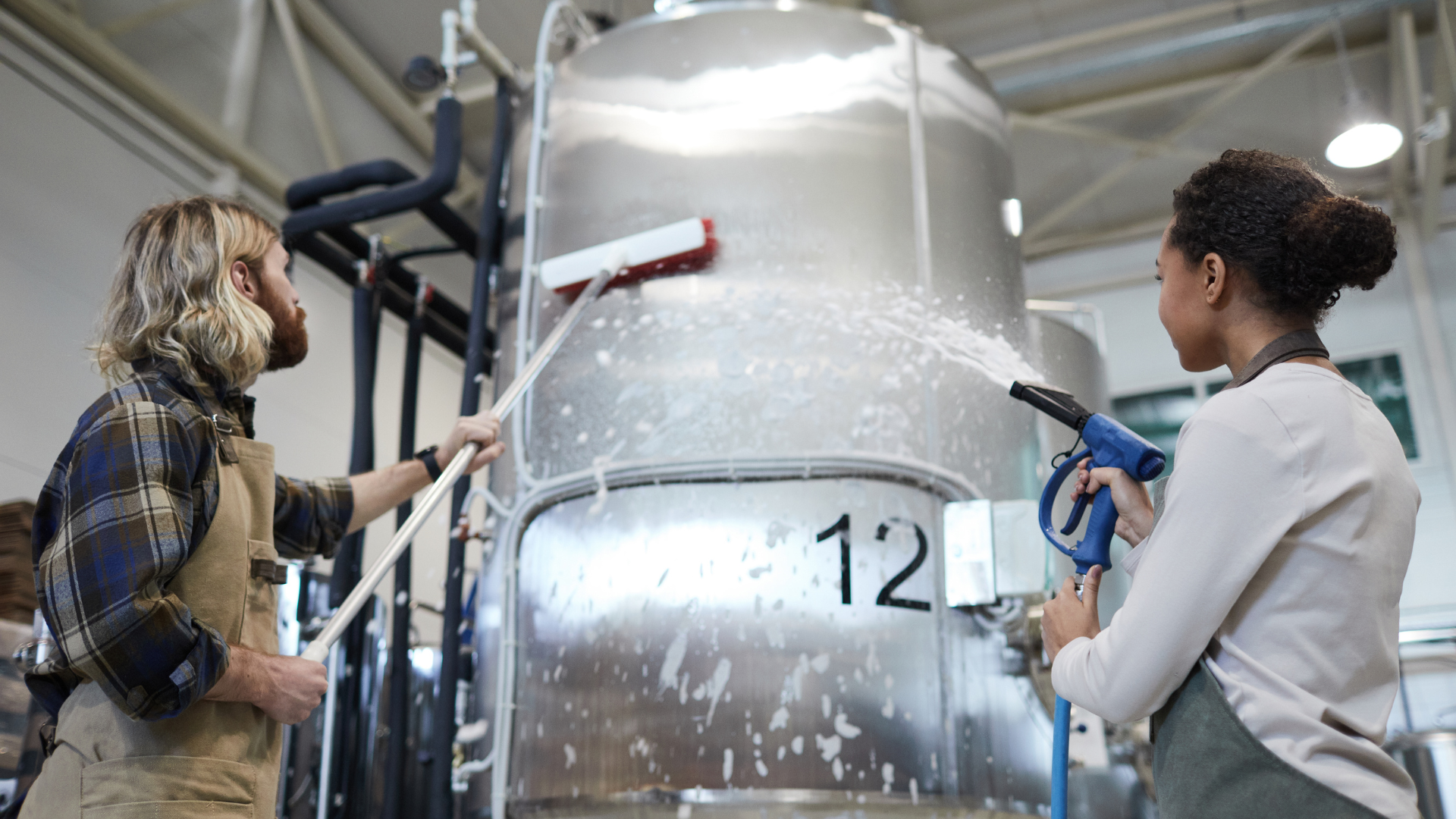
Moisture is another commonly underestimated source of contamination.


Leaks, condensation, humidity, and water intrusion can create conditions that attract dirt and accelerate residue buildup. Moisture can also contribute to corrosion, staining, and other maintenance concerns if left unaddressed.


Managing moisture is often an important part of a comprehensive facility cleaning program.
Looking Beyond the Obvious

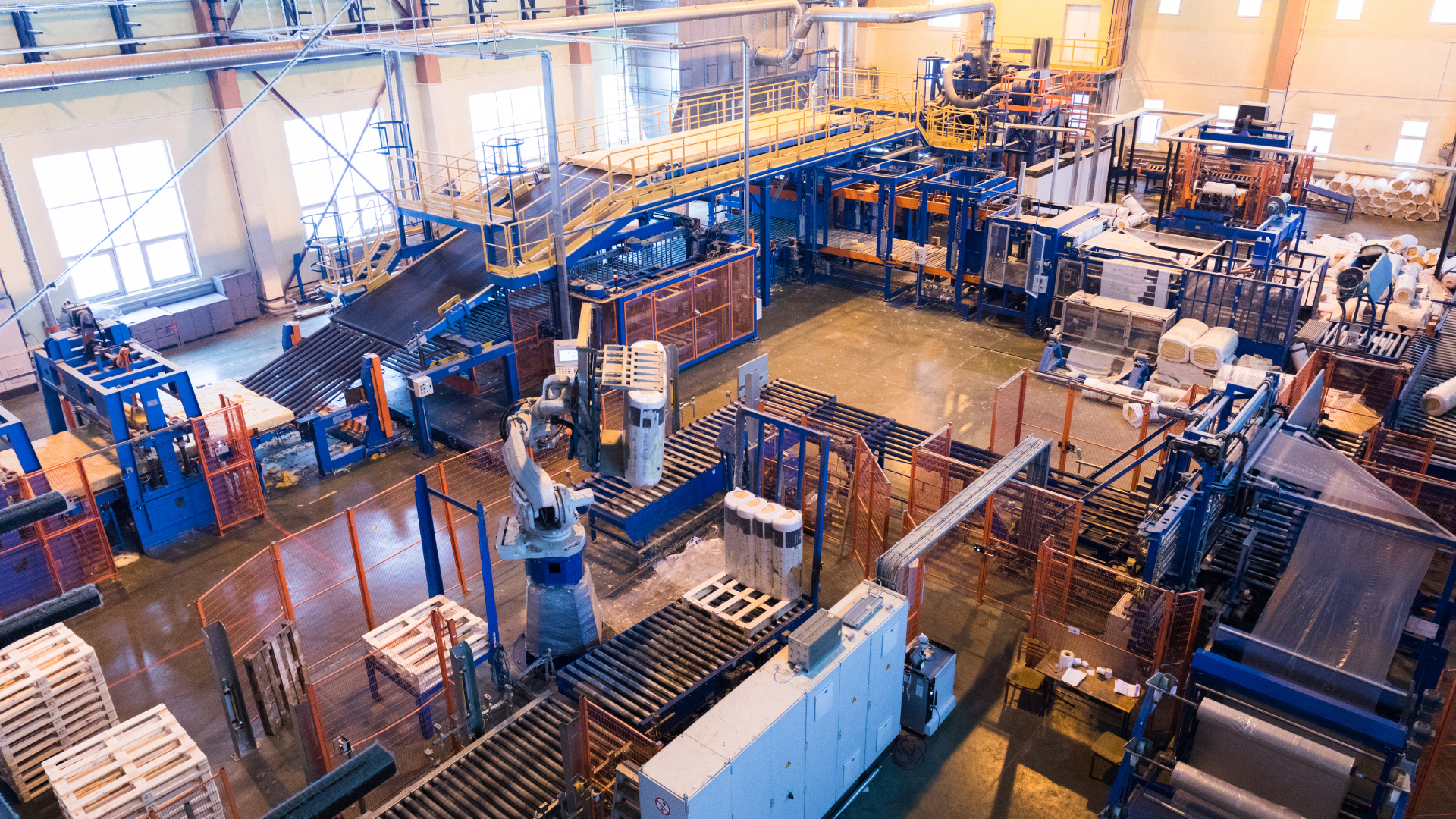
Effective industrial cleaning involves more than addressing visible dirt and debris. Many contamination sources operate quietly in the background, gradually affecting equipment, facilities, and operations over time.


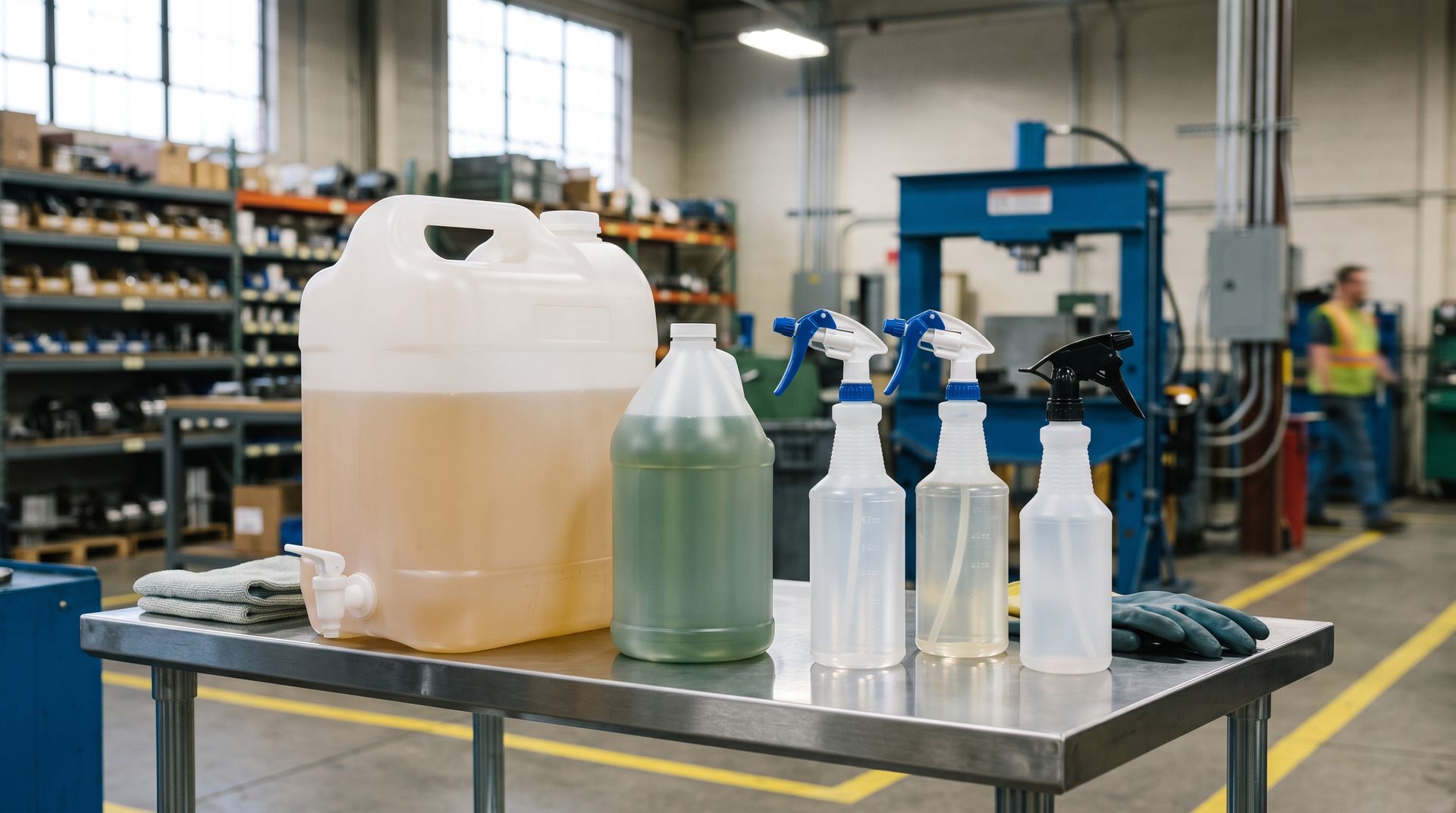
Green Power Chemical provides environmentally responsible industrial cleaners, degreasers, parts washing solutions, and floor cleaning products designed to help facilities address both obvious and hidden contamination challenges. By understanding where contamination originates and implementing proactive cleaning strategies, businesses can support equipment reliability, workplace safety, and operational efficiency.


Sometimes the most significant contamination problems are not the ones you can immediately see. Identifying and addressing overlooked sources can make a meaningful difference throughout an industrial facility.

You can contact us by phone at 800-932-9371, by emailing us at peter@greenpowerchemical.com, or through the contact form here on our site.
July 1, 2026
In the aerospace industry , precision is essential. Every component, from large structural assemblies to small machined parts, is manufactured to exacting specifications. Because these parts often operate in demanding environments, maintaining their quality throughout the manufacturing and assembly process is critical. One important—but sometimes overlooked—part of that process is precision cleaning .  Before components move to the next stage of manufacturing, assembly, coating, inspection, or installation, they often need to be thoroughly cleaned to remove oils, machining fluids, grease, and other residues. Precision cleaning helps manufacturers maintain consistent quality while supporting the performance of aerospace components.
June 17, 2026
Public works departments play a vital role in keeping communities functioning smoothly. From maintaining roads and stormwater systems to operating vehicle fleets and managing public infrastructure, these departments are responsible for a wide range of essential services. While much attention is given to the work they perform, one area that often receives less recognition is the importance of effective cleaning and maintenance practices.  Public works operations rely heavily on equipment, vehicles, facilities, and tools that are exposed to dirt, grease, oil, mud, and other contaminants on a daily basis. Keeping these assets clean is not simply a matter of appearance. It is an important part of maintaining efficiency, safety, and long-term reliability.
June 9, 2026
When people hear the term “ eco-friendly cleaning ,” they often think primarily about environmental protection. While sustainability is certainly an important benefit, modern environmentally friendly industrial cleaning solutions offer advantages that extend far beyond reducing environmental impact. Today’s industrial facilities are increasingly looking for cleaning products that deliver strong performance while also supporting workplace safety, operational efficiency, and regulatory compliance.  As industrial cleaning technology has evolved, many businesses have discovered that environmentally responsible products can help address multiple operational goals at the same time.
June 3, 2026
Cleaning Challenges in Aggregate and Quarry Operations Aggregate and quarry operations are among the toughest industrial environments in the world. Every day, equipment, vehicles, conveyors, crushers, and processing systems are exposed to dust, dirt, grease, mud, and heavy material buildup. While production equipment is built to withstand demanding conditions, contamination can still create maintenance challenges that affect efficiency, inspections, and long-term reliability. For operations that depend on heavy machinery running consistently, cleaning is about far more than appearance. It is an important part of maintenance, safety, and operational performance. Green Power Chemical has spent more than 40 years helping industrial facilities solve difficult cleaning problems with environmentally friendly cleaners, degreasers, and parts washing solutions designed for demanding applications.
May 27, 2026
Agricultural equipment operates in some of the harshest working environments of any industry. Tractors, combines, harvesters, sprayers, loaders, and processing equipment are exposed constantly to dirt, grease, oils, fertilizers, crop residue, moisture, and heavy mechanical stress. Over time, these contaminants accumulate throughout machinery surfaces and components, creating maintenance challenges that go far beyond ordinary cleaning.  At Green Power Chemical, we understand that agricultural operations require heavy-duty cleaning solutions capable of handling complex industrial contamination while supporting efficient equipment maintenance.
May 20, 2026
Environmental responsibility has become an increasingly important part of industrial operations. Manufacturing facilities, warehouses, commercial kitchens, and processing environments are under growing regulatory and social pressure to reduce waste, improve safety, and operate more sustainably. While equipment upgrades and energy efficiency often receive most of the attention, cleaning practices also play a major role in environmental impact.  At Green Power Chemical, we understand that industrial cleaning is not only about appearance. Proper cleaning programs help facilities improve operational efficiency while supporting safer and more environmentally responsible practices.
May 14, 2026
Commercial kitchens operate in demanding conditions where heat, moisture, and constant food preparation create a challenging environment for cleanliness. While routine cleaning is a standard part of kitchen operations, not all cleaning solutions are equipped to handle the specific types of buildup that develop in these settings. Grease, in particular, presents a unique challenge that requires more than general-purpose cleaning products.  At Green Power Chemical, the focus is on providing industrial-grade solutions that address the realities of commercial kitchen environments, where effectiveness, safety, and consistency are essential.
May 6, 2026
Fleet maintenance is often associated with mechanical work such as engine service, brake replacement, and routine inspections. While these elements are essential, one of the most overlooked aspects of fleet performance is industrial cleaning. Proper cleaning practices play a direct role in maintaining equipment reliability, improving efficiency, and supporting long-term operational performance.  At Green Power Chemical, the focus is on providing effective cleaning solutions that align with the demands of fleet environments, where consistency and reliability are critical.
April 29, 2026
Logistics environments are built for constant movement. Warehouses, distribution centers, and fulfillment facilities operate on tight schedules, with equipment, personnel, and inventory moving continuously throughout the day. In these high-traffic settings, cleanliness is often viewed as a secondary concern. In reality, it plays a direct role in safety, efficiency, and overall operational performance.  Maintaining clean surfaces is not simply about appearance. It is a foundational part of keeping logistics environments functioning as intended.
April 22, 2026
Persistent buildup is a common challenge across industrial and commercial environments. Whether it appears on floors, equipment, or work surfaces, residue that accumulates over time can be difficult to remove using standard cleaning methods. What begins as a manageable condition can gradually become more resistant, affecting both appearance and performance.  Understanding how buildup forms and why it persists is the first step toward addressing it effectively.