Why Agricultural Equipment Requires Specialized Degreasing

May 27, 2026

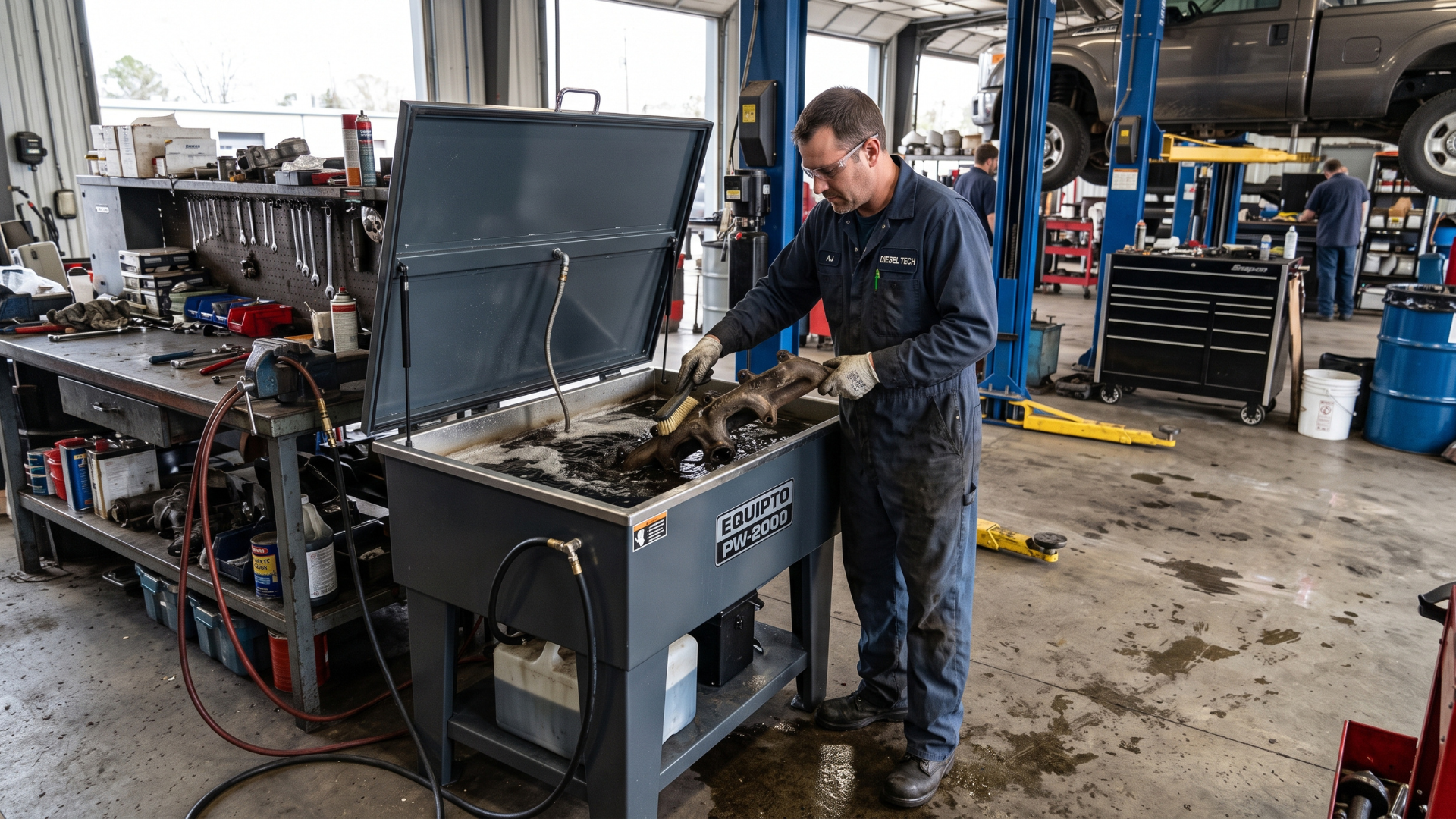
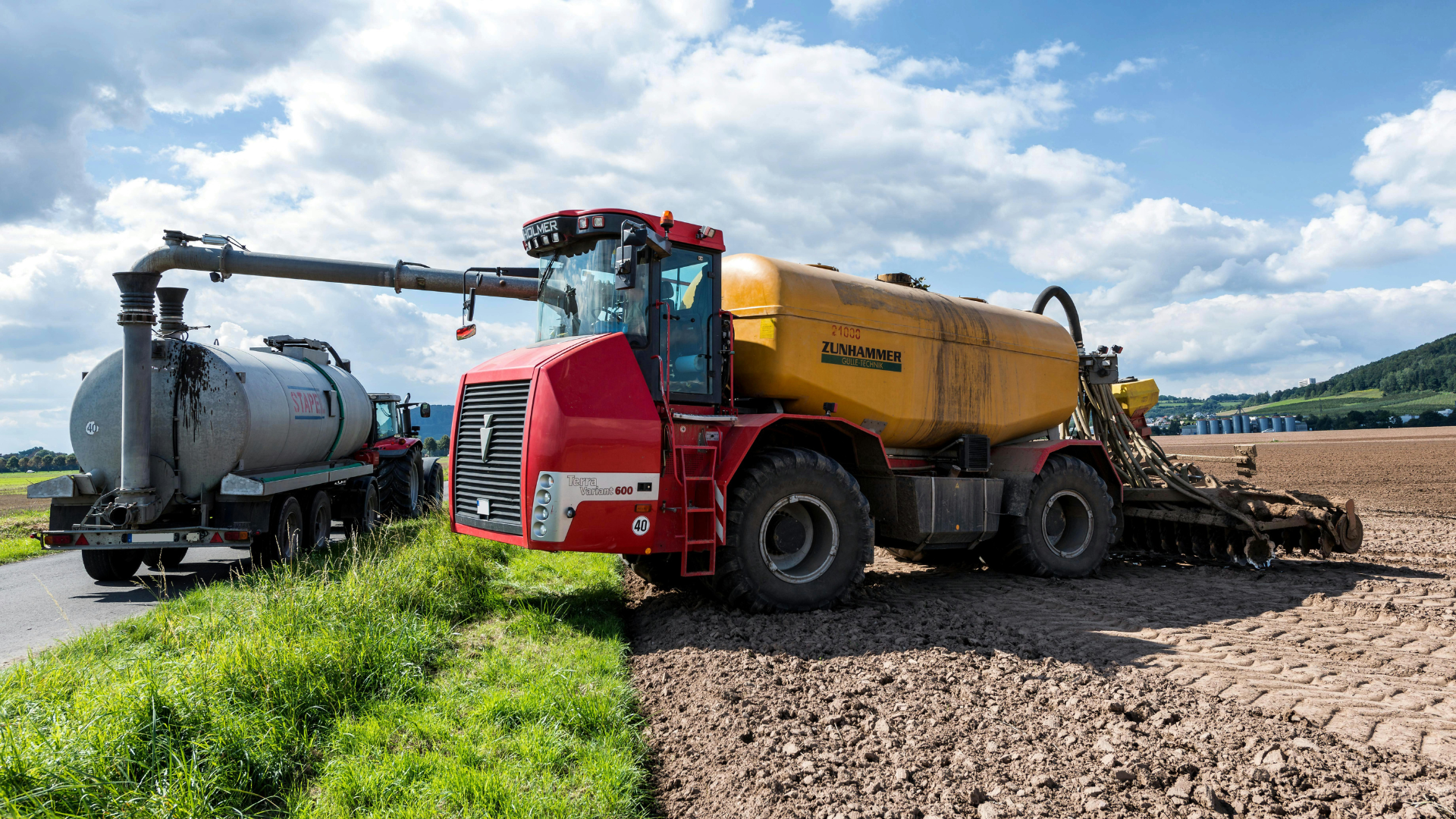
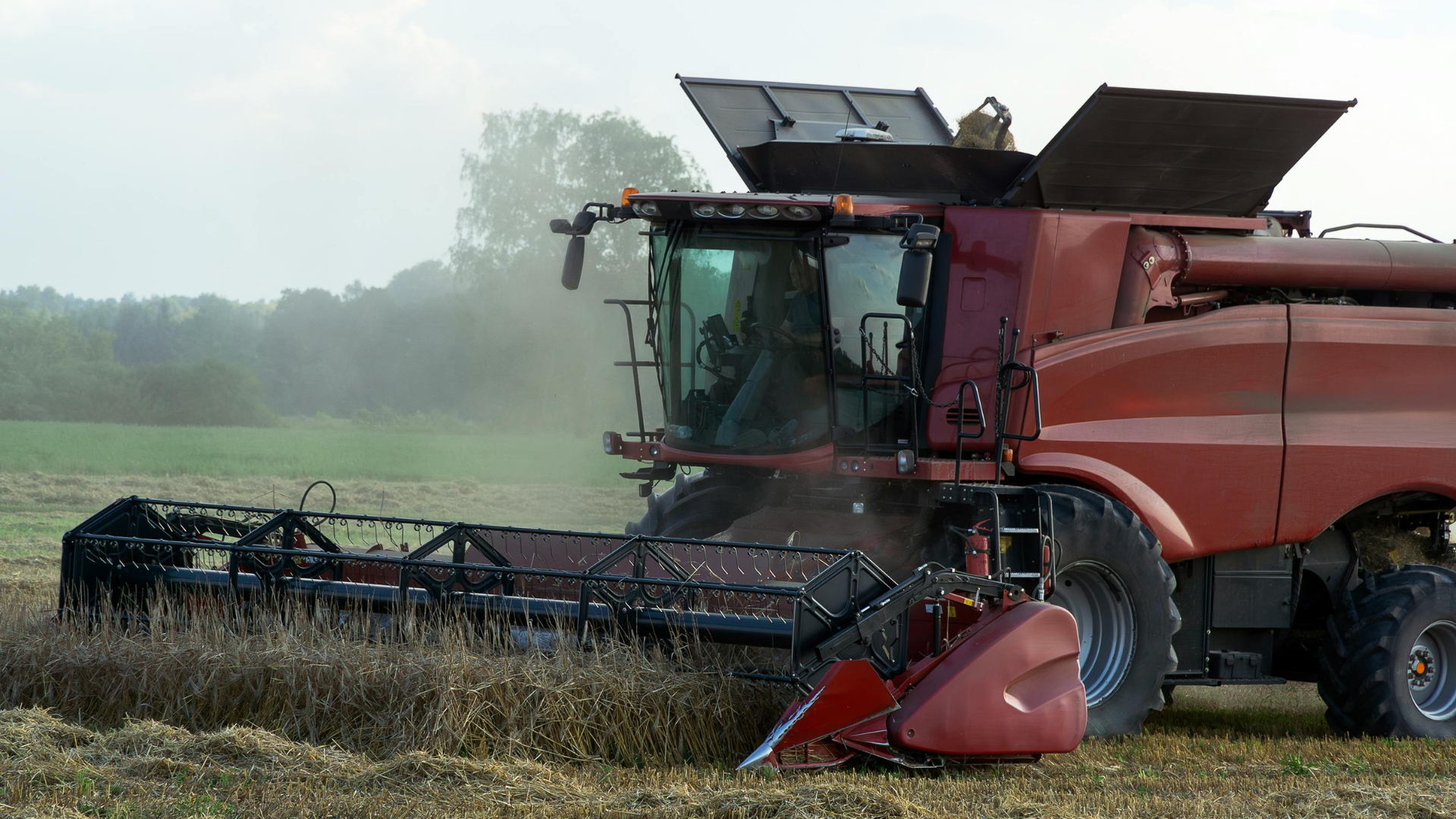
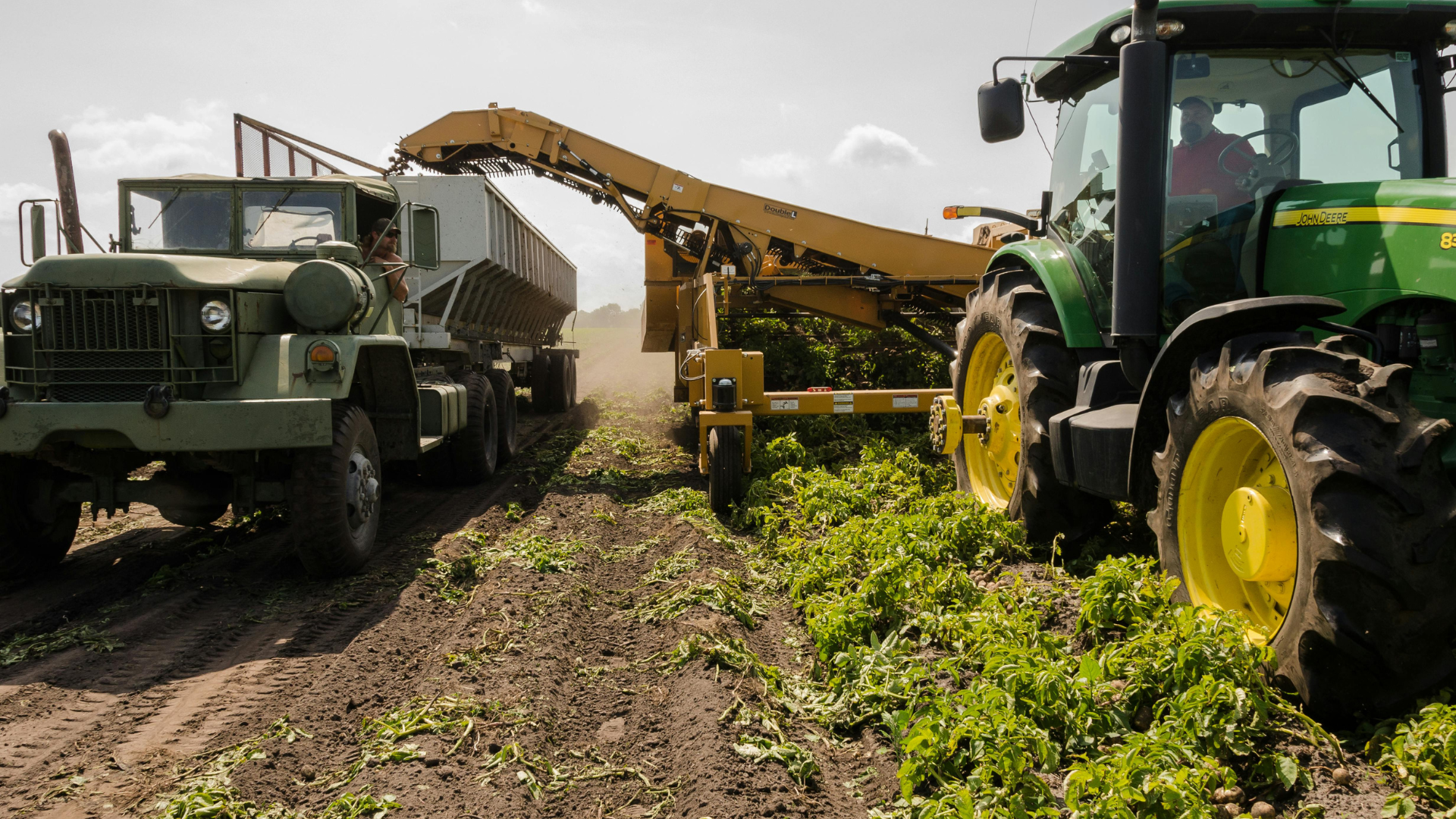
Agricultural equipment operates in some of the harshest working environments of any industry. Tractors, combines, harvesters, sprayers, loaders, and processing equipment are exposed constantly to dirt, grease, oils, fertilizers, crop residue, moisture, and heavy mechanical stress. Over time, these contaminants accumulate throughout machinery surfaces and components, creating maintenance challenges that go far beyond ordinary cleaning.


At  Green Power Chemical, we understand that agricultural operations require heavy-duty cleaning solutions capable of handling complex industrial contamination while supporting efficient equipment maintenance.
Agricultural Machinery Operates Under Extreme Conditions

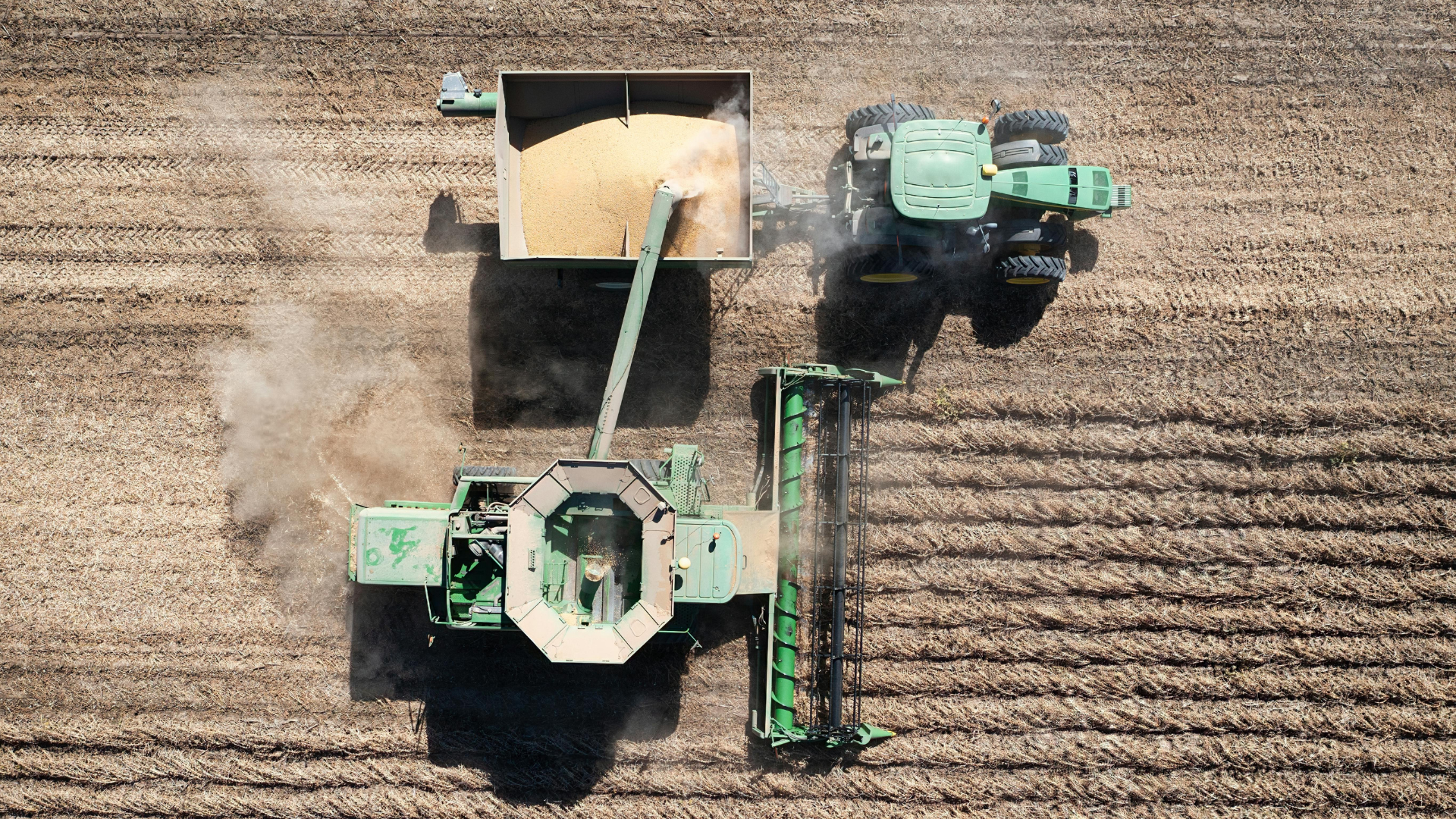
Unlike many industrial environments, agricultural equipment is exposed simultaneously to mechanical wear and natural environmental contaminants. Machinery often operates continuously during planting and harvest seasons while encountering:

  • Mud and soil buildup
  • Hydraulic fluid residue
  • Engine grease
  • Fertilizer exposure
  • Crop material accumulation
  • Dust and organic debris


These materials collect rapidly around engines, hydraulic systems, undercarriages, moving components, and processing areas.


Without proper cleaning, contamination continues accumulating throughout the equipment over time.
Standard Cleaning Products Often Fall Short

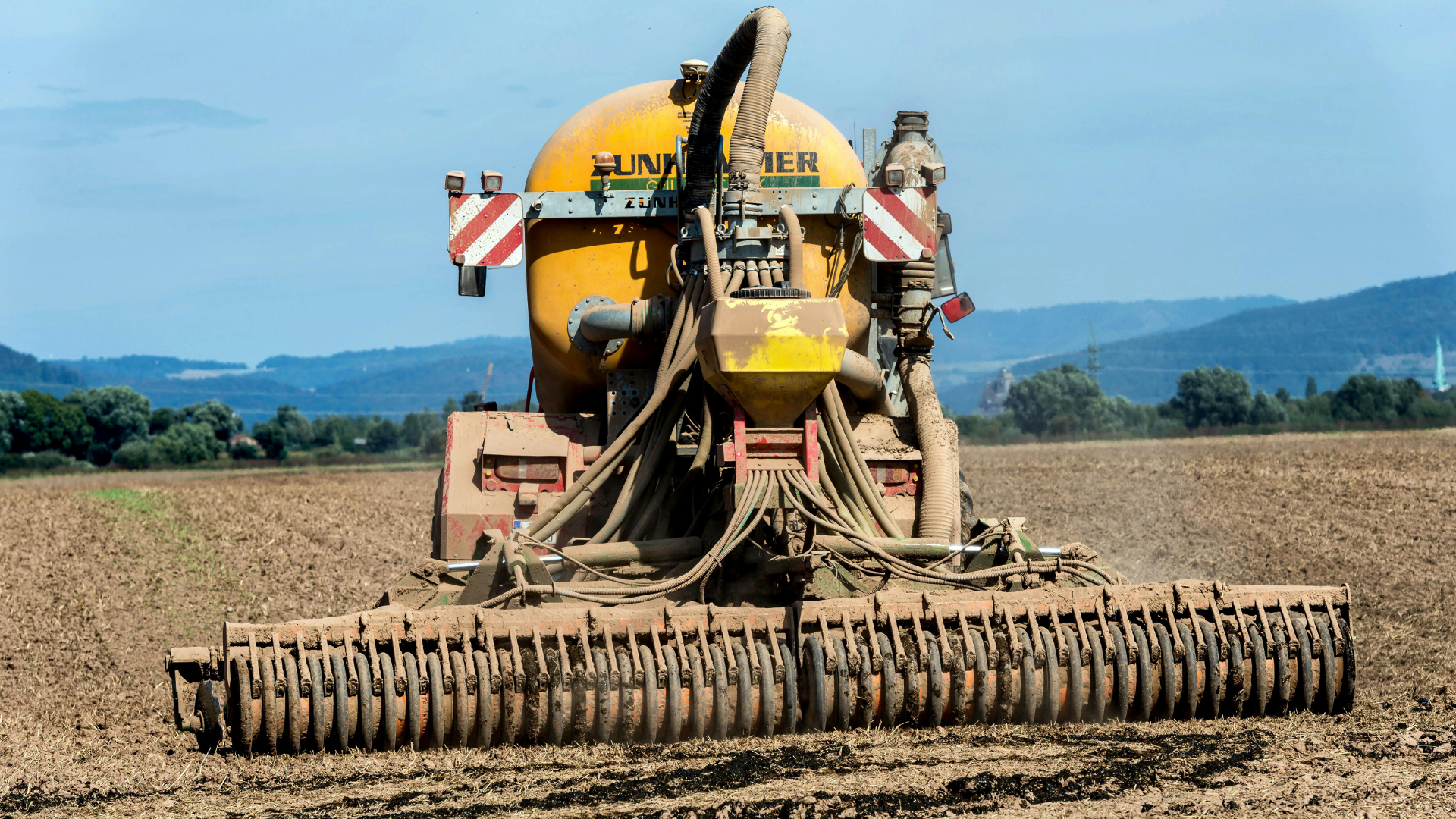
Agricultural equipment contamination is typically heavier and more complex than ordinary surface dirt. Oils, lubricants, grease, and organic residue frequently combine into dense buildup that becomes difficult to remove with general-purpose cleaning products.


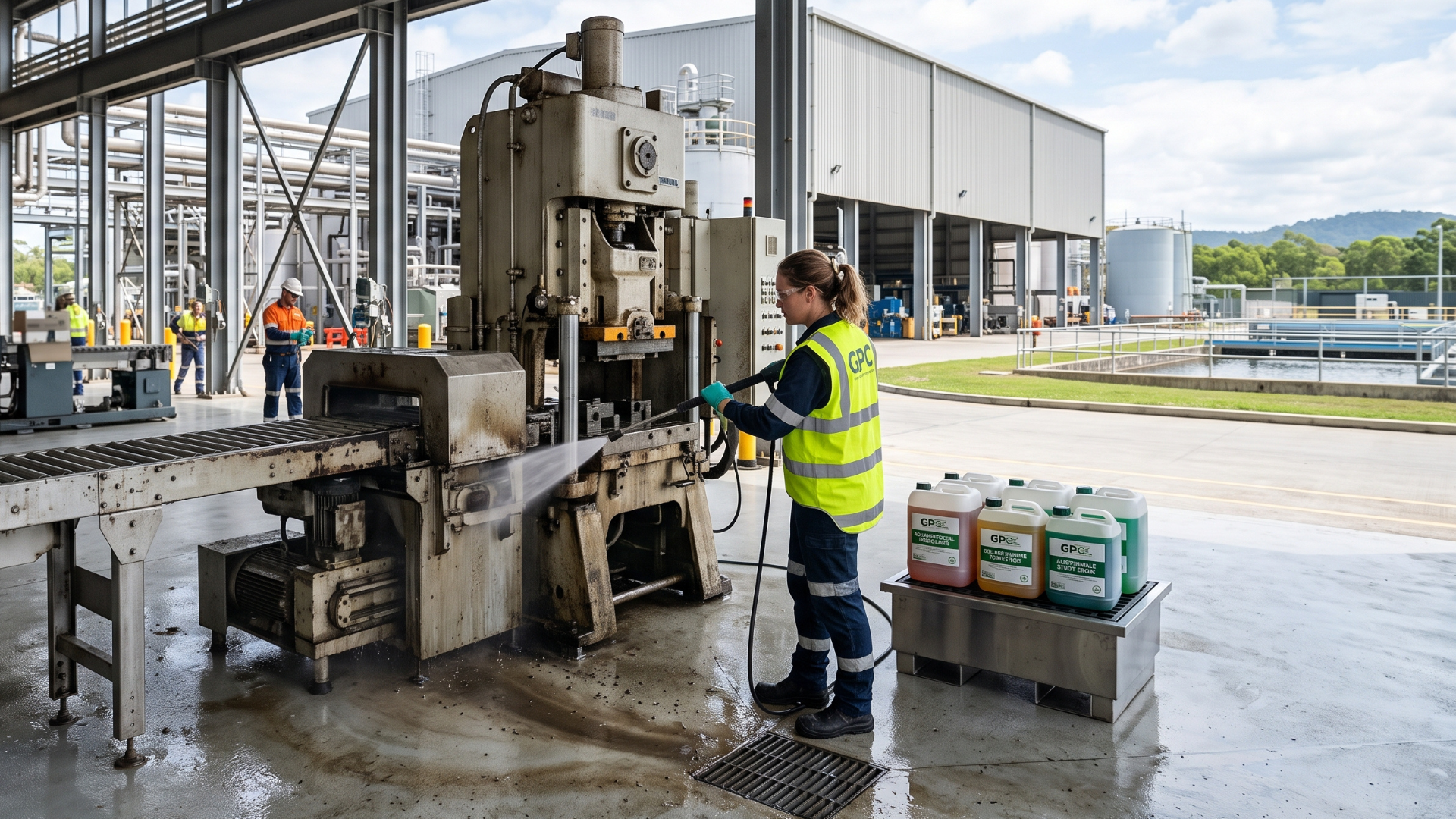
Specialized industrial degreasers are often necessary because they are designed to break down petroleum residue, grime, and heavy contamination more effectively while helping protect underlying equipment surfaces.


Cleaning agricultural equipment is not only about appearance. Proper degreasing plays an important role in long-term maintenance and operational reliability.
Equipment Buildup Can Affect Performance

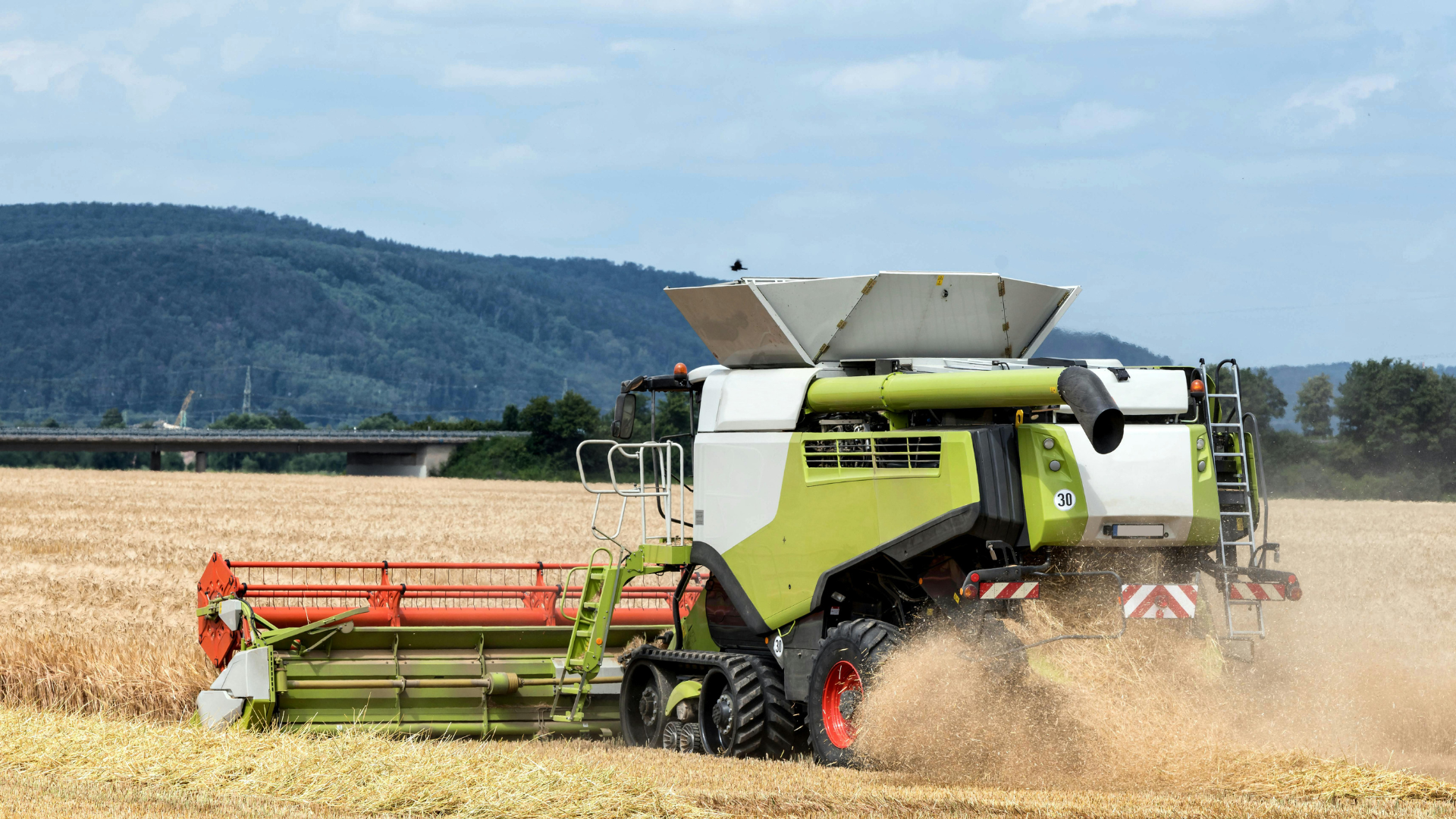
Heavy residue accumulation may interfere with equipment operation in several ways. Excess grease, dirt, and debris can restrict airflow around engines and cooling systems, increase wear on moving components, and make it more difficult to identify leaks or mechanical issues during inspections.


Contaminated surfaces may also contribute to:

  • Reduced equipment efficiency
  • Increased maintenance difficulty
  • Premature component wear
  • Higher operating temperatures
  • Longer repair times


Routine degreasing helps operators maintain cleaner working conditions around critical mechanical systems.
Cleaning Supports Preventative Maintenance

Preventative maintenance is especially important in agricultural operations because equipment downtime during planting or harvest seasons can create significant operational disruption.


Specialized degreasing helps support preventative maintenance by making inspections more effective. Clean machinery surfaces allow operators and technicians to identify:

  • Hydraulic leaks
  • Worn hoses
  • Cracked components
  • Loose fittings
  • Fluid seepage
  • Mechanical wear points


When contamination obscures these areas, small problems may remain hidden until they develop into larger equipment failures.
Agricultural Facilities Face Additional Cleaning Challenges

The need for specialized cleaning extends beyond field equipment alone. Agricultural processing areas, workshops, maintenance bays, and storage facilities also accumulate oils, grease, dust, and residue over time.


Concrete floors, maintenance tools, and processing equipment may require industrial-strength cleaning products capable of handling repeated contamination exposure while remaining practical for large-scale operations.


At Green Power Chemical, we provide industrial cleaning solutions designed for demanding environments where standard cleaners may not provide sufficient performance.
Environmental Considerations Matter

Modern agricultural operations are increasingly focused on balancing operational efficiency with environmental responsibility. Cleaning products used around agricultural facilities often need to perform effectively while supporting safer handling practices and reducing unnecessary environmental impact where possible.


This is one reason many facilities seek industrial cleaning solutions designed for both heavy-duty performance and responsible chemical formulation.


Choosing the right degreasing products helps agricultural operators maintain equipment effectively while supporting broader operational standards.
Seasonal Demands Increase Cleaning Importance

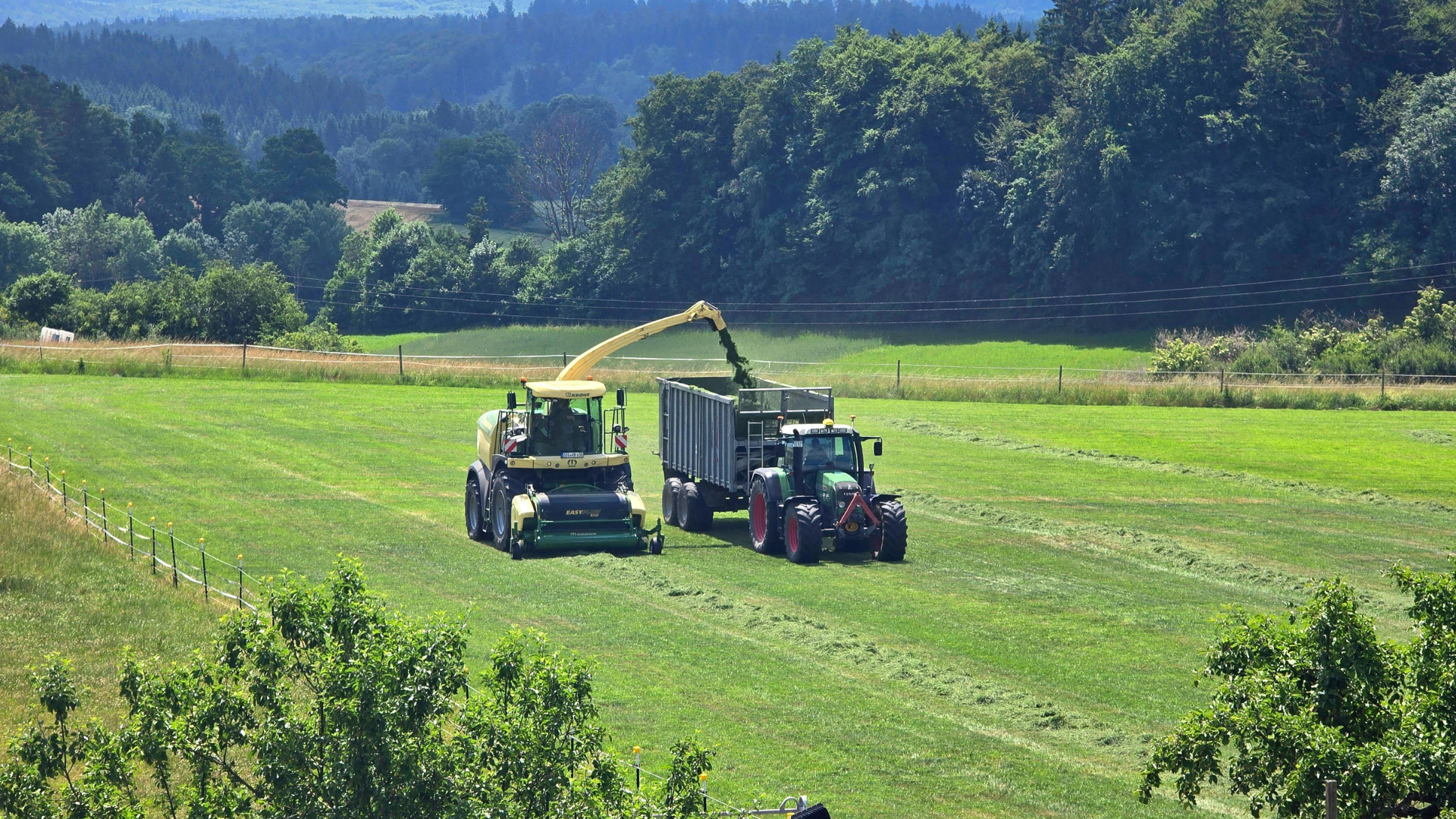
Agricultural machinery often operates intensely during specific seasons with limited downtime available for maintenance. During harvest or planting periods, equipment may run for extended hours under demanding conditions.


As contamination builds more rapidly during these peak operational periods, routine degreasing becomes even more important for maintaining equipment reliability and reducing avoidable downtime.


Consistent cleaning helps support smoother operations throughout critical agricultural seasons.
Supporting Agricultural Operations With Industrial Cleaning Solutions

Agricultural equipment requires specialized degreasing because of the heavy contamination, mechanical stress, and demanding environmental conditions involved in farming operations. Proper industrial cleaning helps support preventative maintenance, operational efficiency, and long-term equipment performance.


At Green Power Chemical, we provide industrial-strength cleaning and degreasing solutions designed for challenging commercial and industrial environments, including agricultural operations and heavy equipment maintenance.


If your agricultural facility or equipment maintenance operation requires high-performance industrial cleaning products, Green Power Chemical offers solutions designed to help manage tough grease, oil, and residue buildup effectively.

You can contact us by phone at 800-932-9371, by emailing us at peter@greenpowerchemical.com, or through the contact form here on our site.
June 9, 2026
When people hear the term “ eco-friendly cleaning ,” they often think primarily about environmental protection. While sustainability is certainly an important benefit, modern environmentally friendly industrial cleaning solutions offer advantages that extend far beyond reducing environmental impact. Today’s industrial facilities are increasingly looking for cleaning products that deliver strong performance while also supporting workplace safety, operational efficiency, and regulatory compliance.  As industrial cleaning technology has evolved, many businesses have discovered that environmentally responsible products can help address multiple operational goals at the same time.
June 3, 2026
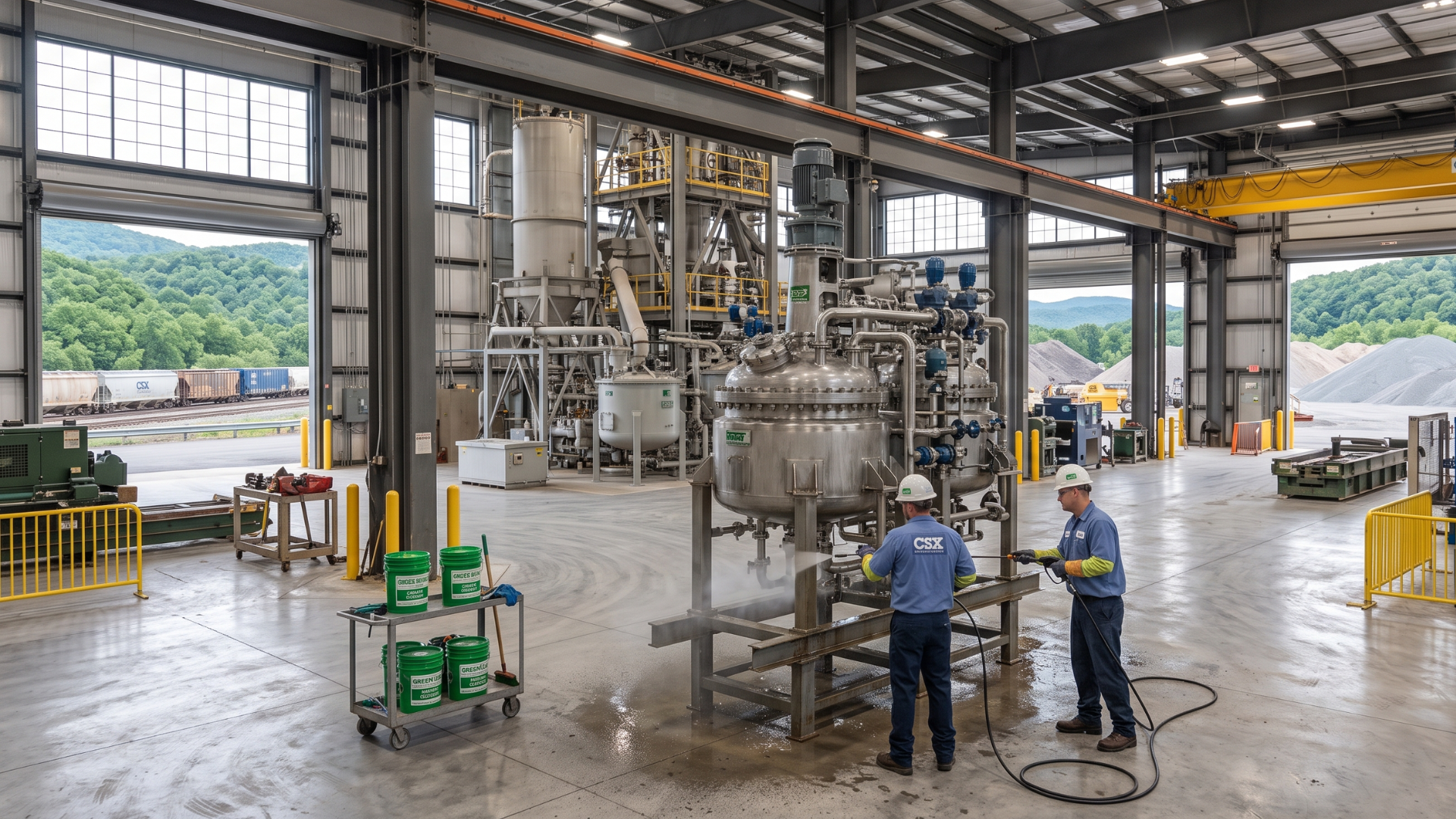
Cleaning Challenges in Aggregate and Quarry Operations Aggregate and quarry operations are among the toughest industrial environments in the world. Every day, equipment, vehicles, conveyors, crushers, and processing systems are exposed to dust, dirt, grease, mud, and heavy material buildup. While production equipment is built to withstand demanding conditions, contamination can still create maintenance challenges that affect efficiency, inspections, and long-term reliability. For operations that depend on heavy machinery running consistently, cleaning is about far more than appearance. It is an important part of maintenance, safety, and operational performance. Green Power Chemical has spent more than 40 years helping industrial facilities solve difficult cleaning problems with environmentally friendly cleaners, degreasers, and parts washing solutions designed for demanding applications.
May 20, 2026
Environmental responsibility has become an increasingly important part of industrial operations. Manufacturing facilities, warehouses, commercial kitchens, and processing environments are under growing regulatory and social pressure to reduce waste, improve safety, and operate more sustainably. While equipment upgrades and energy efficiency often receive most of the attention, cleaning practices also play a major role in environmental impact.  At Green Power Chemical, we understand that industrial cleaning is not only about appearance. Proper cleaning programs help facilities improve operational efficiency while supporting safer and more environmentally responsible practices.
May 14, 2026
Commercial kitchens operate in demanding conditions where heat, moisture, and constant food preparation create a challenging environment for cleanliness. While routine cleaning is a standard part of kitchen operations, not all cleaning solutions are equipped to handle the specific types of buildup that develop in these settings. Grease, in particular, presents a unique challenge that requires more than general-purpose cleaning products.  At Green Power Chemical, the focus is on providing industrial-grade solutions that address the realities of commercial kitchen environments, where effectiveness, safety, and consistency are essential.
May 6, 2026
Fleet maintenance is often associated with mechanical work such as engine service, brake replacement, and routine inspections. While these elements are essential, one of the most overlooked aspects of fleet performance is industrial cleaning. Proper cleaning practices play a direct role in maintaining equipment reliability, improving efficiency, and supporting long-term operational performance.  At Green Power Chemical, the focus is on providing effective cleaning solutions that align with the demands of fleet environments, where consistency and reliability are critical.
April 29, 2026
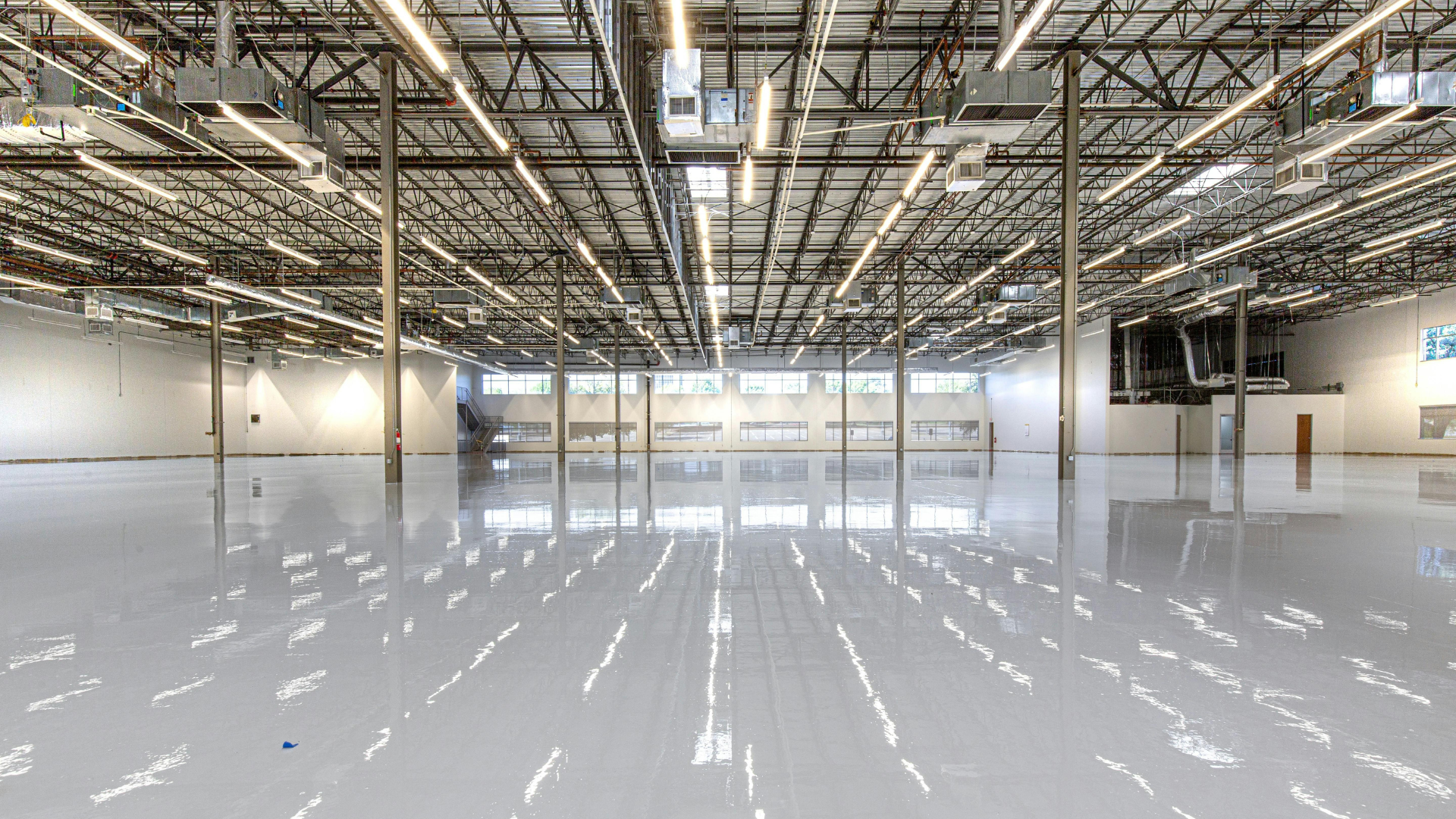
Logistics environments are built for constant movement. Warehouses, distribution centers, and fulfillment facilities operate on tight schedules, with equipment, personnel, and inventory moving continuously throughout the day. In these high-traffic settings, cleanliness is often viewed as a secondary concern. In reality, it plays a direct role in safety, efficiency, and overall operational performance.  Maintaining clean surfaces is not simply about appearance. It is a foundational part of keeping logistics environments functioning as intended.
April 22, 2026
Persistent buildup is a common challenge across industrial and commercial environments. Whether it appears on floors, equipment, or work surfaces, residue that accumulates over time can be difficult to remove using standard cleaning methods. What begins as a manageable condition can gradually become more resistant, affecting both appearance and performance.  Understanding how buildup forms and why it persists is the first step toward addressing it effectively.
April 15, 2026
Graffiti is a common issue in many municipalities, affecting everything from public buildings to sidewalks and infrastructure. While some forms of graffiti are intentional art , unauthorized markings often create challenges for property owners and local governments. Beyond the immediate visual impact, graffiti can influence how a space is perceived and used over time.  Understanding the role of graffiti removal helps highlight why it is an important part of maintaining public environments.
April 9, 2026
Logistics and fulfillment centers operate in fast-paced environments where efficiency is directly tied to output, safety, and operational consistency. While technology, staffing, and inventory management often receive the most attention, facility cleanliness plays a critical role in supporting performance across the entire operation. A well-maintained facility is not simply a matter of appearance. It is a functional component of an efficient supply chain.  Understanding how cleanliness impacts logistics operations can help facility managers and operators make more informed decisions about maintenance strategies.
April 2, 2026
Food manufacturing facilities operate under strict sanitation standards designed to protect consumers and ensure product quality. From raw ingredient handling to final packaging, every stage of production must meet regulatory expectations set by agencies such as the FDA and USDA . While cleaning protocols are a central part of compliance, the type of cleaning products used also plays an important role.  Green cleaning products are increasingly being adopted in food manufacturing environments because they help facilities maintain high sanitation standards while reducing potential risks associated with traditional chemical cleaners. When properly formulated, these products support compliance by combining effective cleaning performance with safer chemical profiles.