The Cost of Corrosive Cleaners: How Green Alternatives Protect Your Equipment

August 7, 2025

Industrial Strength Without the Damage

In many industrial and commercial environments, the choice of cleaning products is often driven by performance alone, how fast they cut through grease, how well they remove buildup, or how quickly they dry. But what often gets overlooked is the long-term toll these products can take on expensive equipment, facility infrastructure, and even employee health.


Harsh, corrosive cleaners can eat away at surfaces, accelerate wear on machinery, and leave residues that lead to more problems down the line. Green Power Chemical offers a smarter approach: high-performance cleaning products that are tough on grime but safe on surfaces and safer for the people using them.
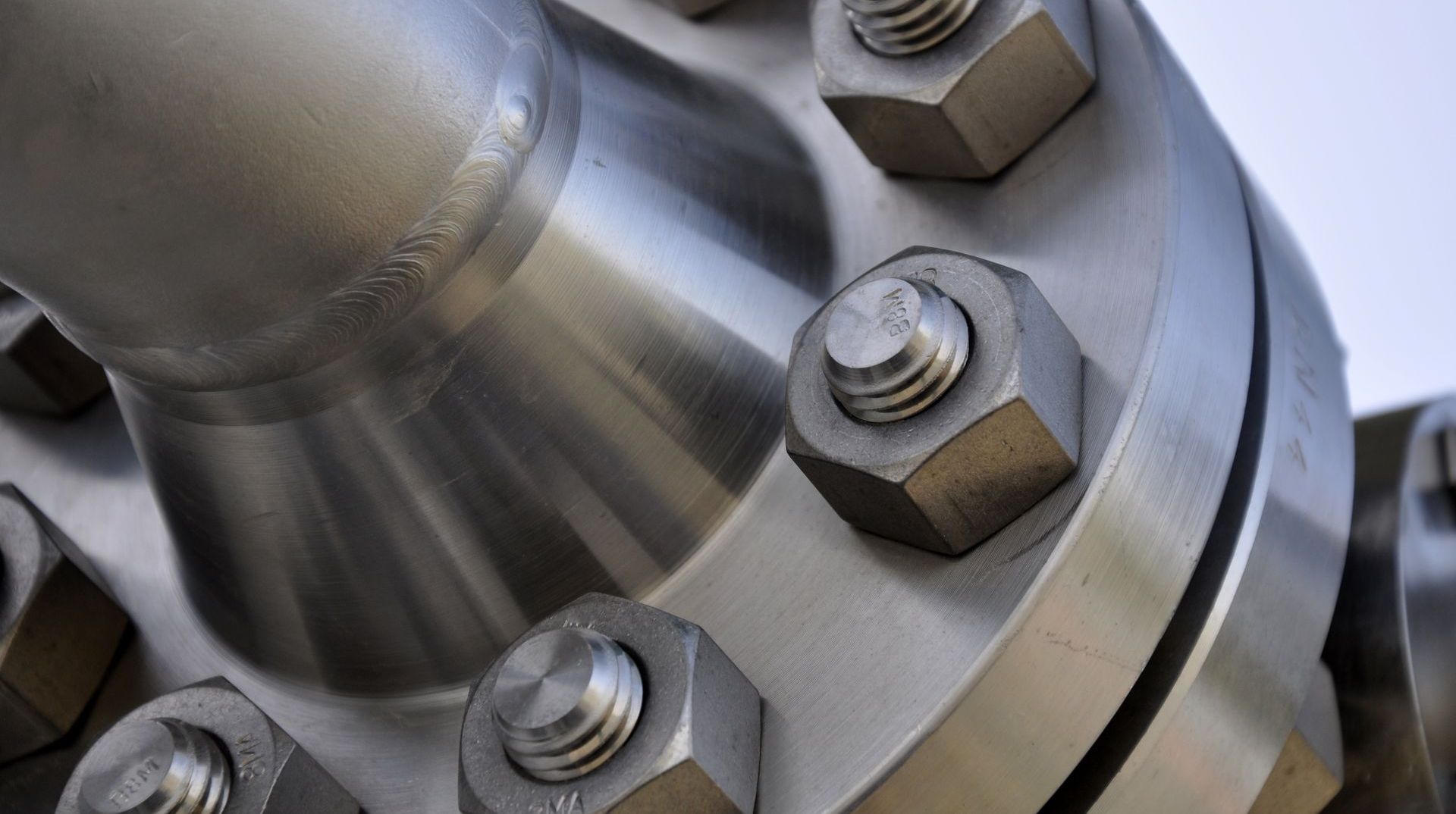
Close-up of a metal flange secured with bolts, likely part of a pipeline or industrial equipment.

Corrosive Cleaners and the Damage They Cause

Common industrial degreasers and floor cleaners often contain solvents and acids that can cause immediate or gradual damage. They may be effective at breaking down grease or paint, but that power comes at a price. Over time, corrosive agents can:

  • Pit or stain floors, particularly porous materials like concrete or untreated tile.
  • Weaken seals and gaskets in machinery, leading to breakdowns and costly repairs.
  • Corrode metal surfaces, especially on tools, equipment, and floor drains.
  • Compromise protective coatings, making surfaces more vulnerable to rust and wear.

Even dilution doesn’t always solve the issue. Inconsistent mixing or overuse can still result in long-term degradation of surfaces and mechanical components. In many industries, this leads to higher maintenance budgets and premature replacement of flooring, machinery, or fixtures.
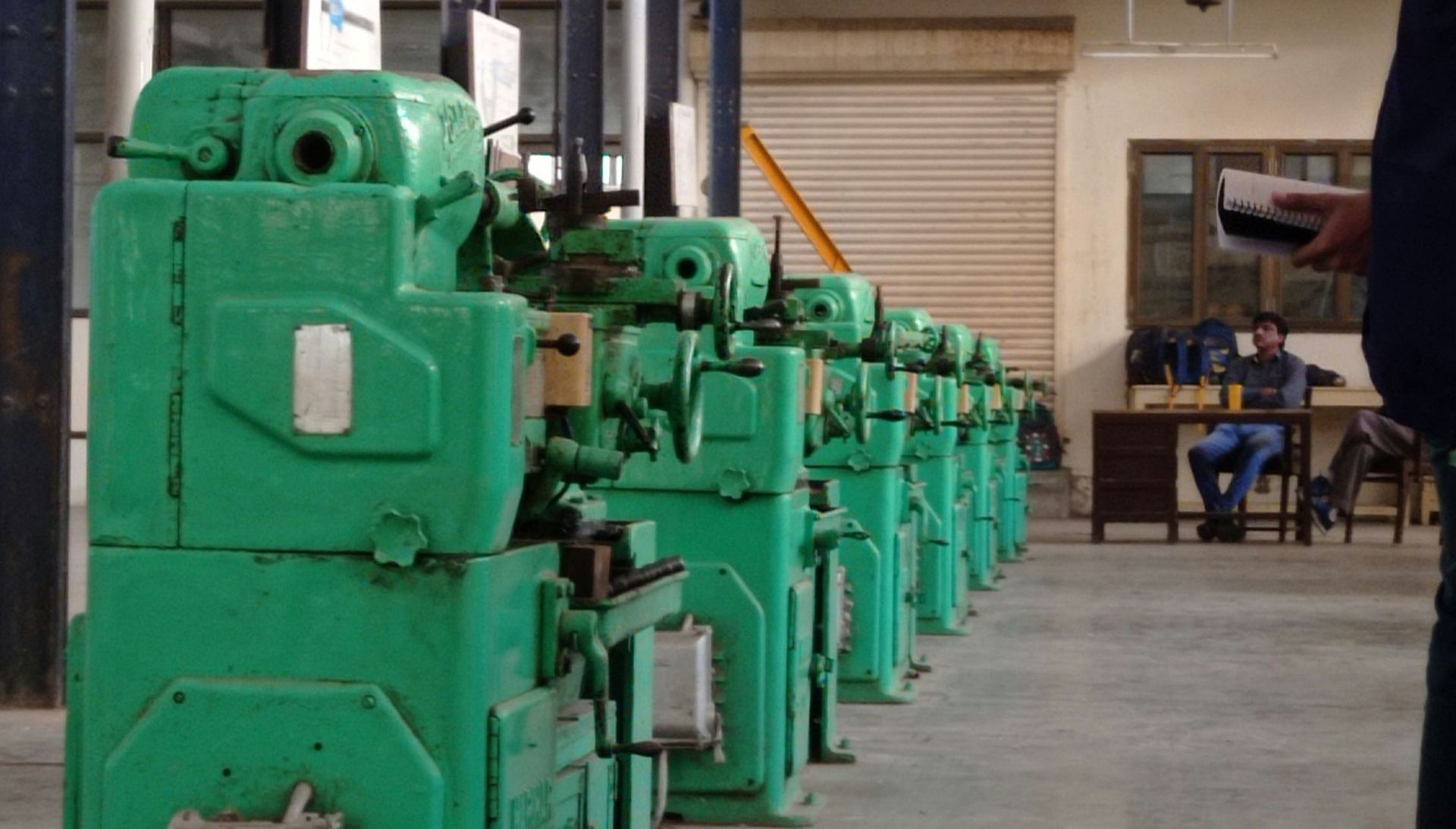
Row of green industrial machines in a workshop. A person holds papers in the foreground, another sits at a desk in the background.

The Real Cost: Time, Labor, and Replacements

The hidden costs of using the wrong cleaner often go unnoticed until they begin to affect the bottom line. Facility managers may notice that floor coatings need to be reapplied more often, machines are down for maintenance more frequently, or employees complain about exposure-related irritation.


Switching to a safer, surface-friendly cleaner can reduce:

  • Downtime for equipment repairs and deep cleaning.
  • Labor hours spent scrubbing or reapplying sealants and coatings.
  • Replacements for worn-down tools or floor coverings.
  • Worker compensation claims related to chemical exposure or slip-and-fall injuries.

Green Power Chemical’s products are designed specifically to deliver professional-level cleaning results without these side effects. They’re tough enough for aerospace and industrial use, yet safe enough for daily application in commercial kitchens or municipal facilities.
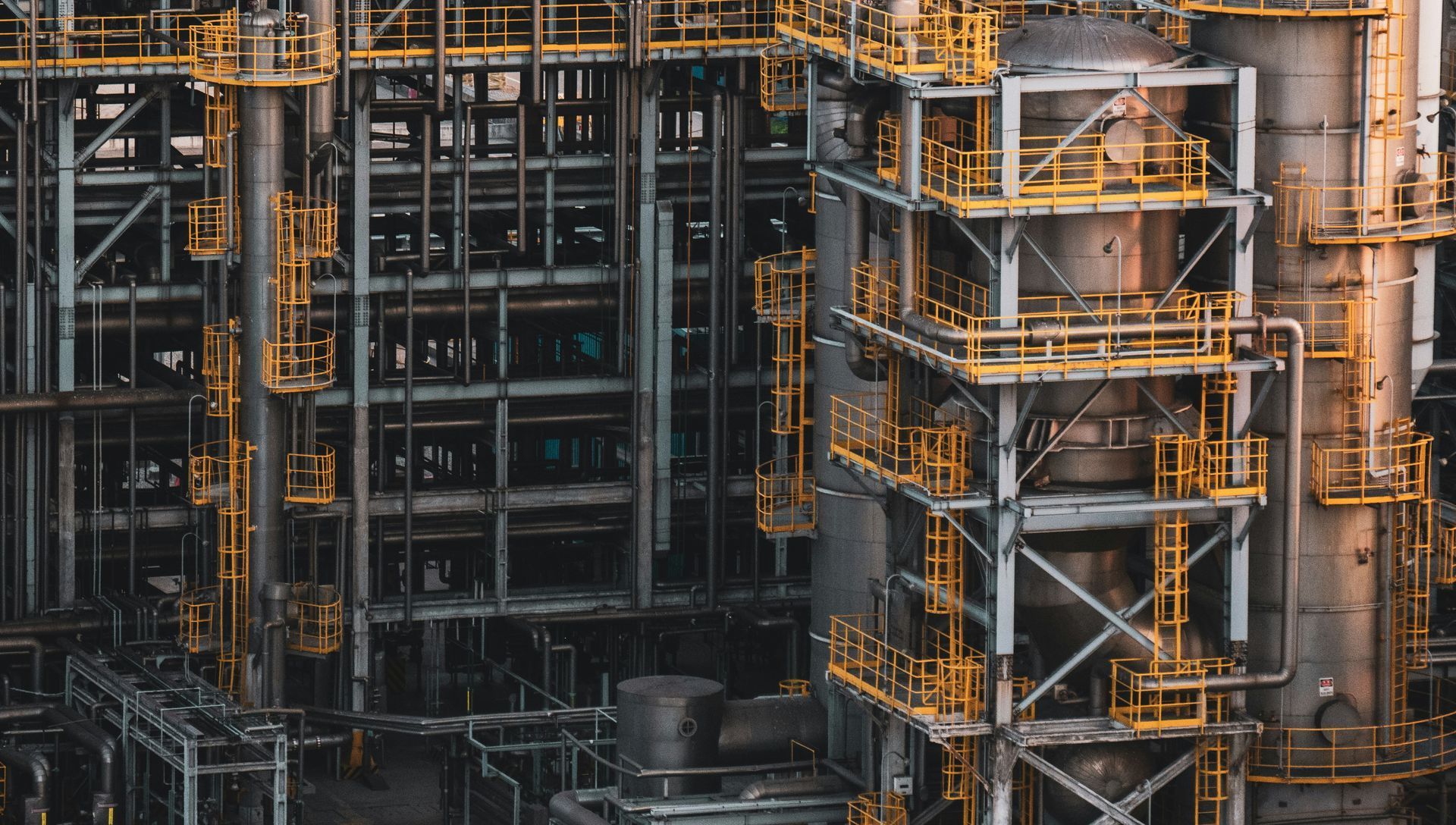
Industrial plant with towers, pipes, and scaffolding, mostly gray with yellow accents.

Why Eco-Friendly Cleaners Work Better Than You Think

Some facilities avoid green cleaners because of an outdated belief that “eco-friendly” means “less effective.” That is no longer the case. Green Power Chemical products are engineered with high-performance ingredients that break down oils, greases, and grime effectively without the corrosive side effects.


They also reduce environmental impact, helping companies meet sustainability goals and remain compliant with OSHA, EPA, and local health codes. In fact, using safer cleaners can often help businesses avoid fines or penalties during inspections.
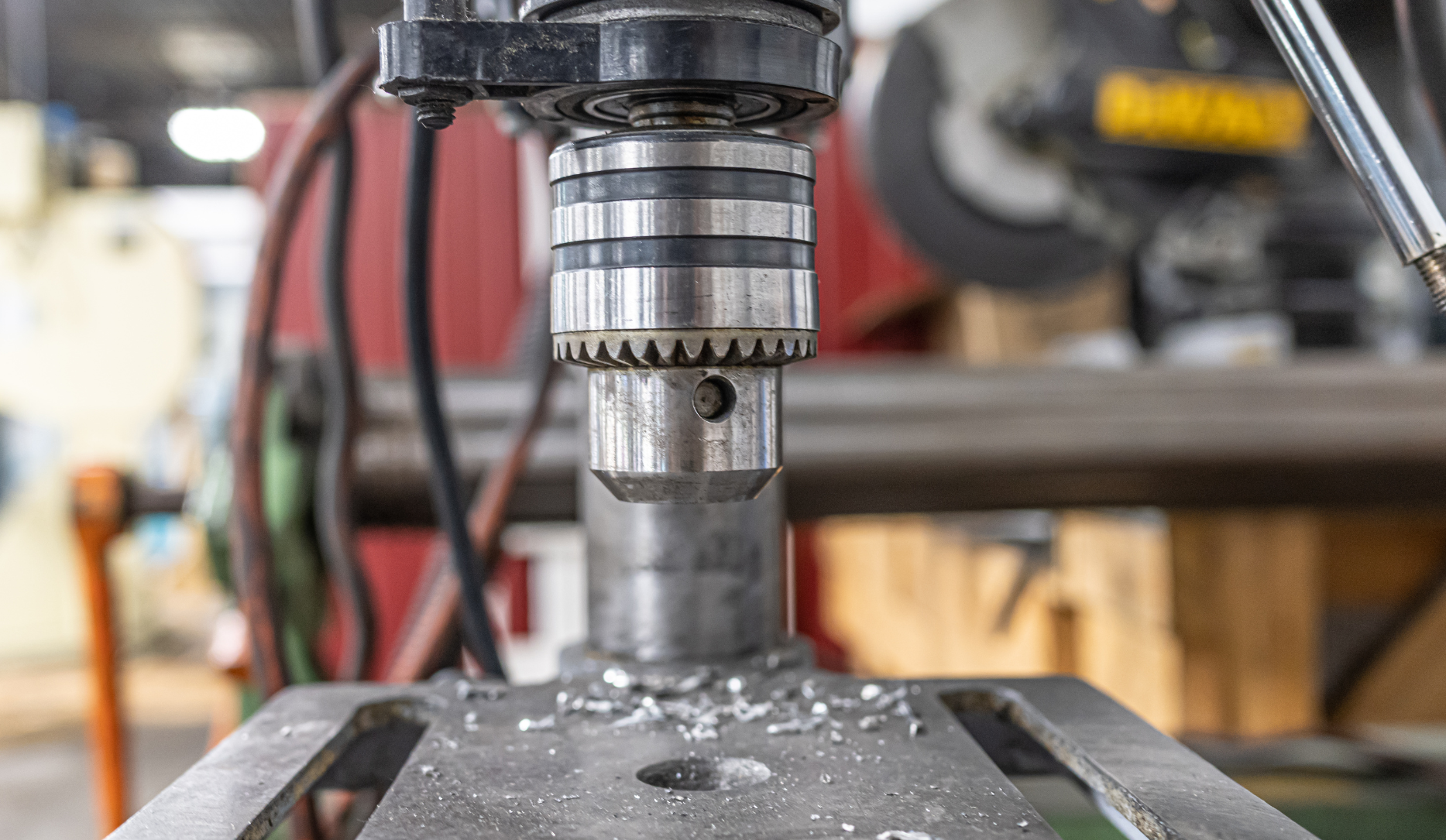
Close-up of a drill press with metal shavings on the work surface. The drill bit is in place, ready to drill.

The Added Benefit: Versatility

Another advantage of Green Power’s line of cleaners is that they are designed to work across a wide variety of surfaces and industries. This means fewer products to store, track, and order, saving money and space. Whether you’re cleaning warehouse floors, kitchen hoods, engine parts, or graffiti-covered walls, Green Power offers a solution that won’t damage your investment.


Make the Switch

When selecting a cleaner, it’s about what it does to your facility tomorrow. The short-term gain of using harsh chemicals is rarely worth the long-term cost in repairs, replacements, and regulatory risk.


Green Power Chemical offers a full line of cleaning solutions that are powerful, safe, and built for the real-world demands of industries like manufacturing, aerospace, hospitality, and public works. If you’re ready to protect your equipment and improve workplace safety, it’s time to make the switch.
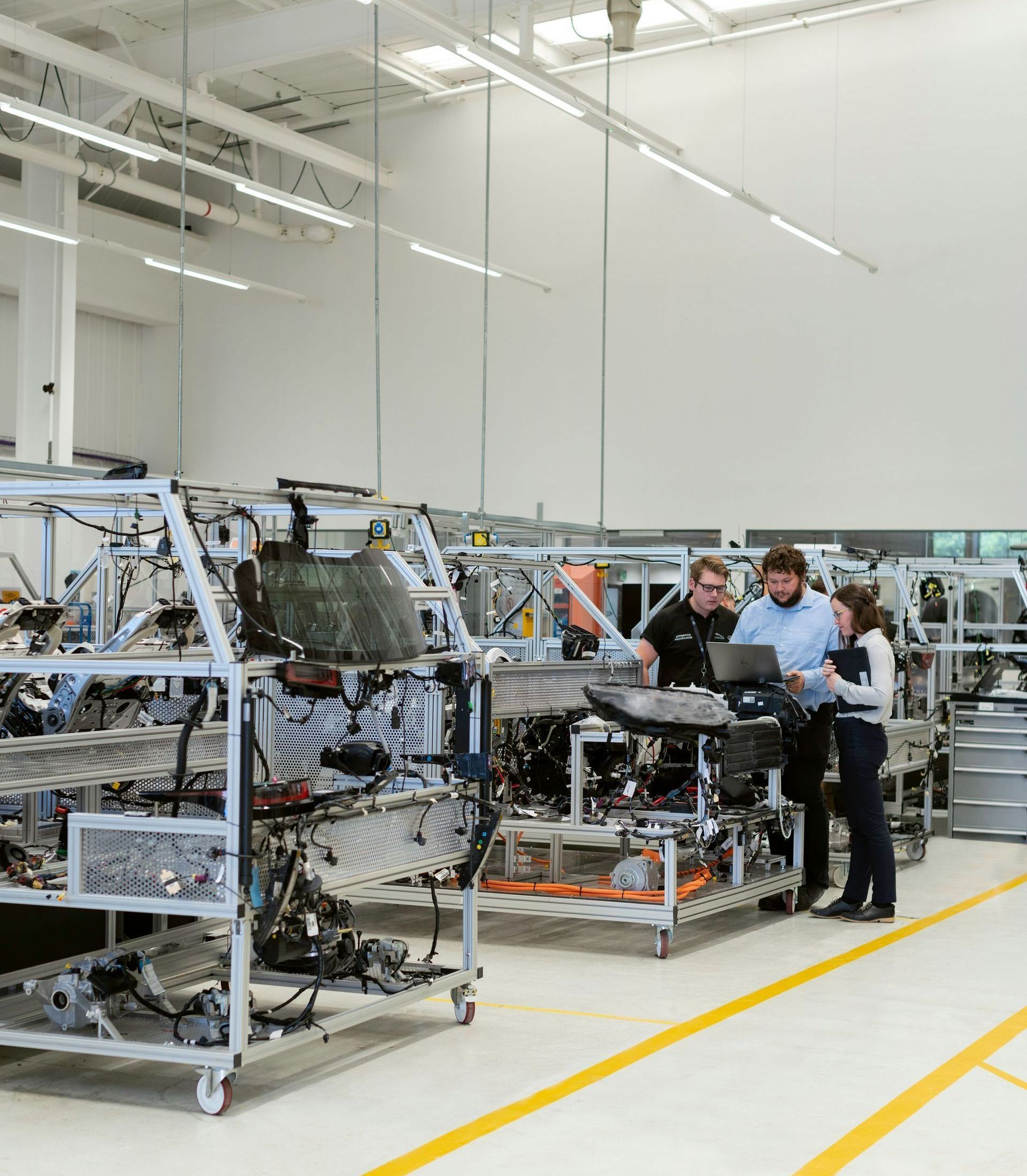
Workers reviewing a laptop next to car frames on a factory floor. Bright lighting and yellow lines highlight the setting.
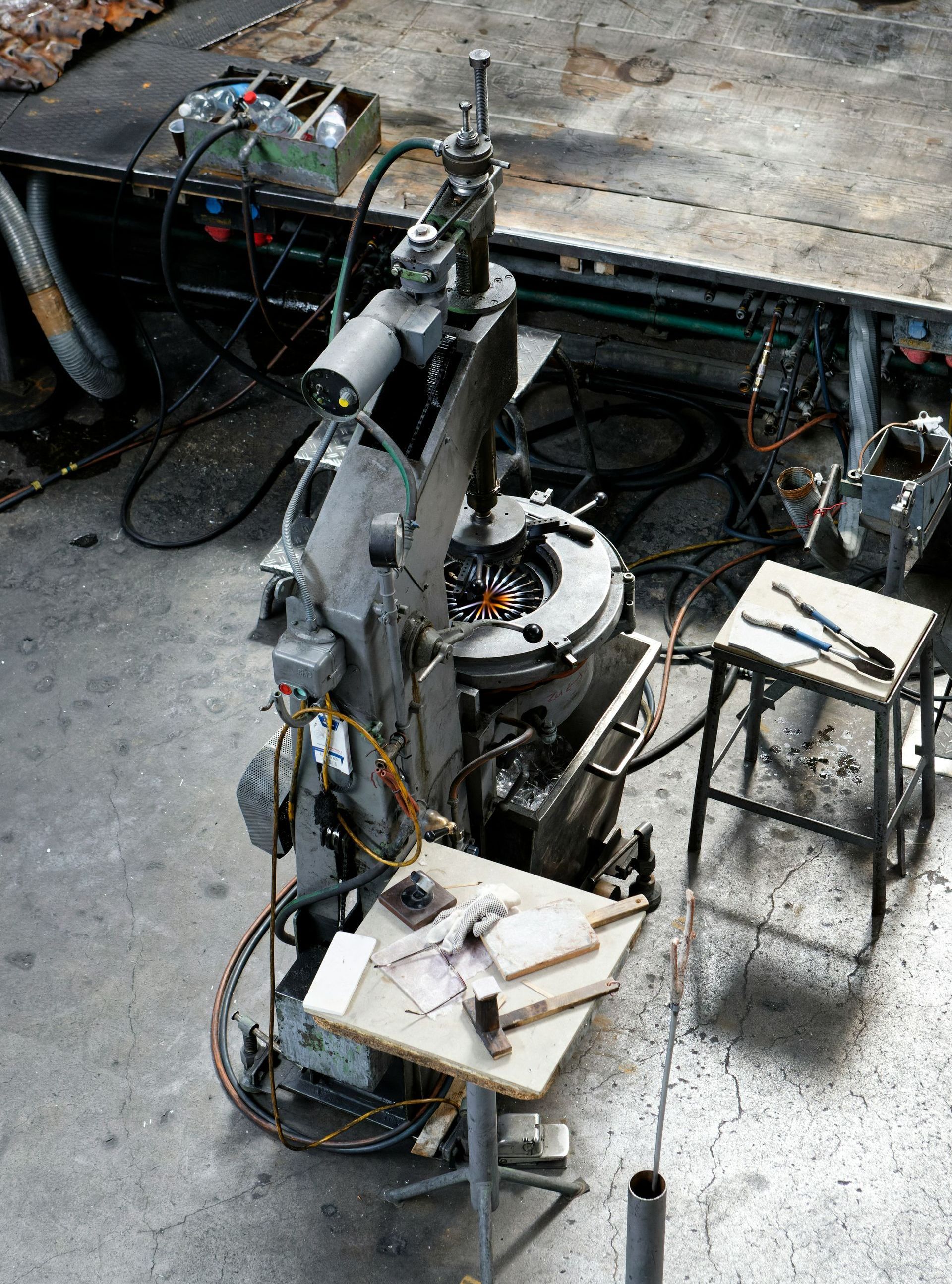
An overhead shot of a metalworking machine with a small work table holding tools. The setting appears to be a workshop.
Person reading a book in a library, seated by a large window. Bookshelves line the walls, and a lamp is nearby.
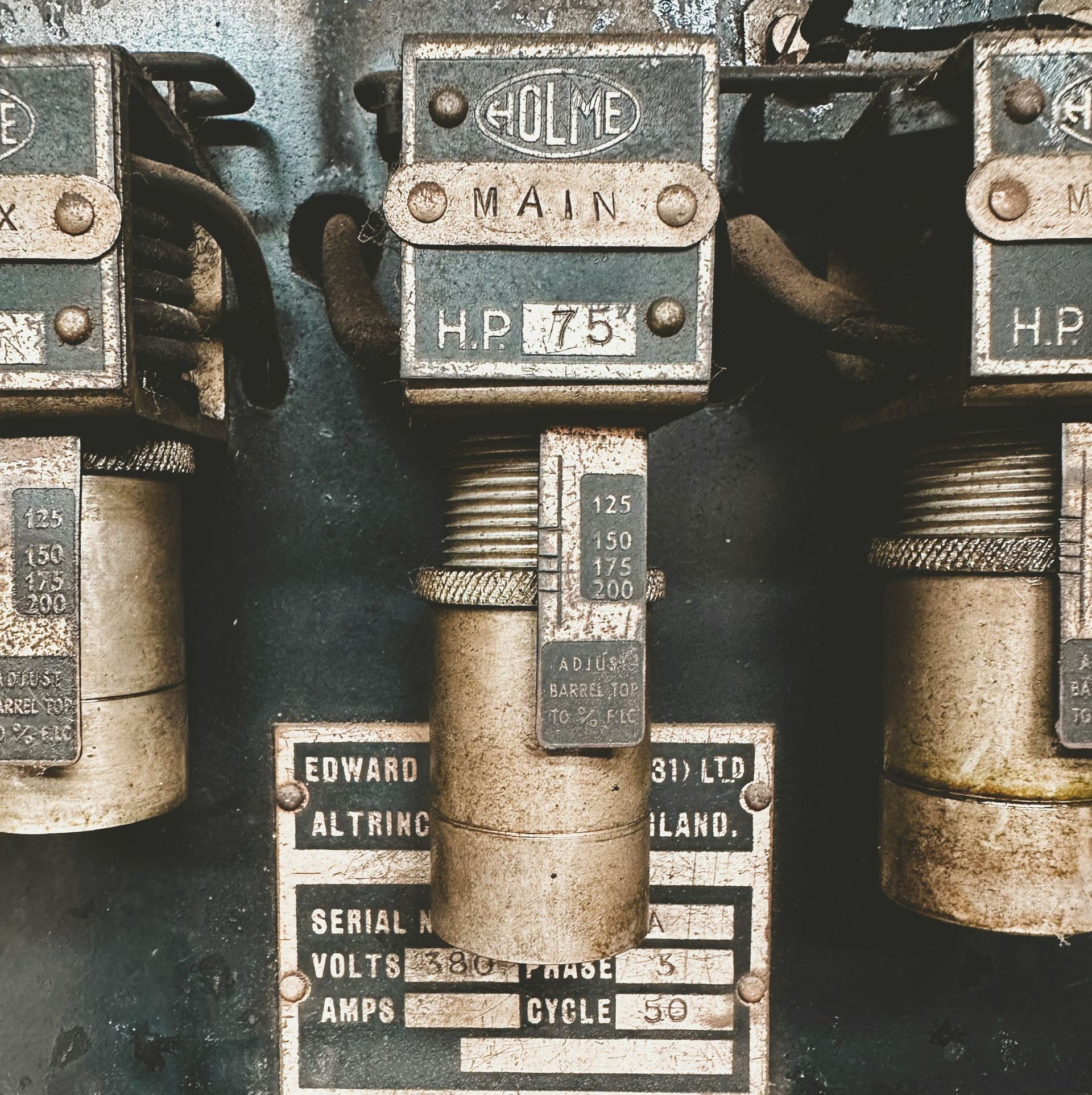
Close-up of an old electrical panel with metal boxes, labels, and wires, showing
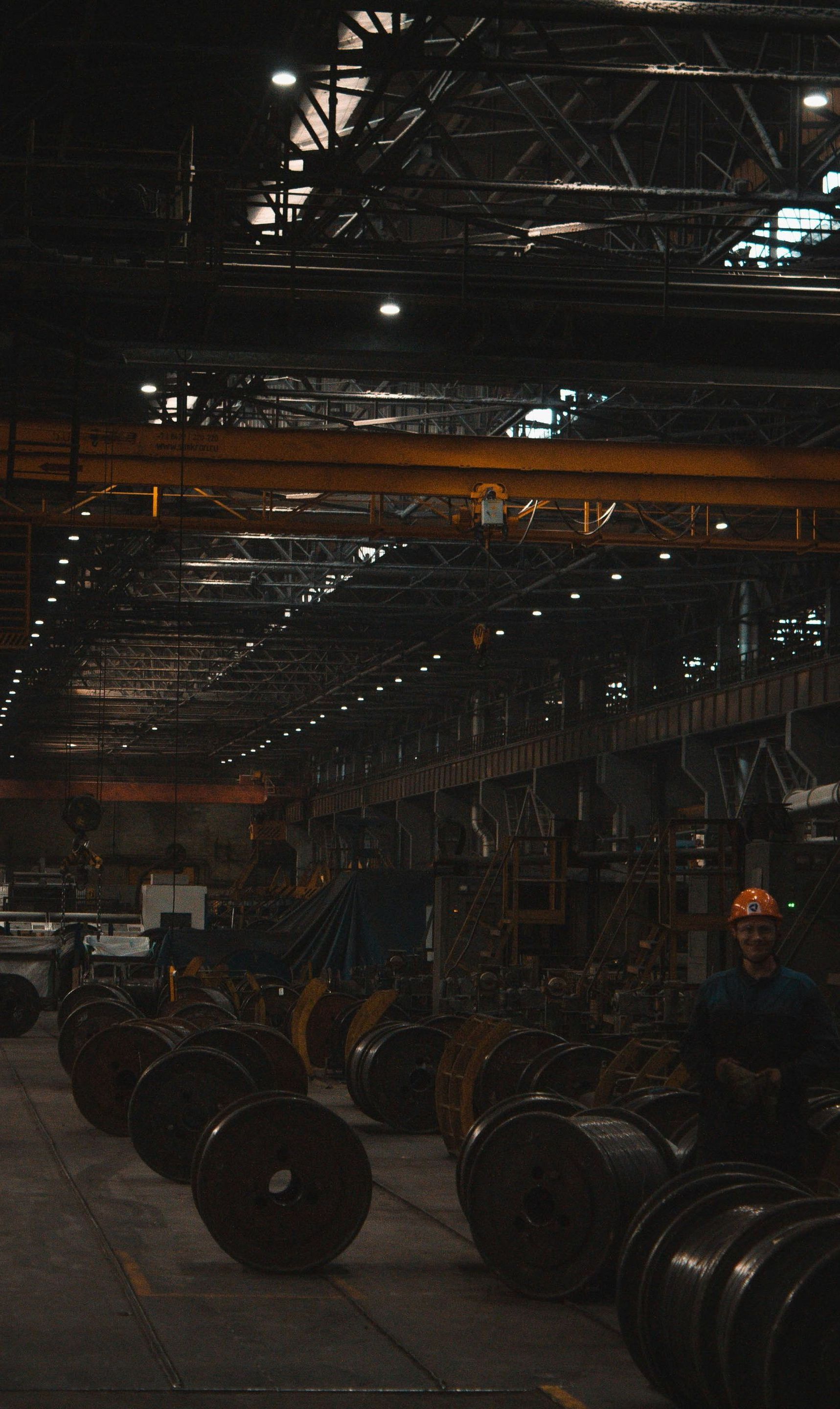
Person in blue jumpsuit holding a rifle, walking through an industrial-style space with burlap sacks in the foreground.

You can contact us by phone at 800-932-9371, by emailing us at peter@greenpowerchemical.com, or through the contact form here on our site.
April 29, 2026
Logistics environments are built for constant movement. Warehouses, distribution centers, and fulfillment facilities operate on tight schedules, with equipment, personnel, and inventory moving continuously throughout the day. In these high-traffic settings, cleanliness is often viewed as a secondary concern. In reality, it plays a direct role in safety, efficiency, and overall operational performance.  Maintaining clean surfaces is not simply about appearance. It is a foundational part of keeping logistics environments functioning as intended.
April 22, 2026
Persistent buildup is a common challenge across industrial and commercial environments. Whether it appears on floors, equipment, or work surfaces, residue that accumulates over time can be difficult to remove using standard cleaning methods. What begins as a manageable condition can gradually become more resistant, affecting both appearance and performance.  Understanding how buildup forms and why it persists is the first step toward addressing it effectively.
April 15, 2026
Graffiti is a common issue in many municipalities, affecting everything from public buildings to sidewalks and infrastructure. While some forms of graffiti are intentional art , unauthorized markings often create challenges for property owners and local governments. Beyond the immediate visual impact, graffiti can influence how a space is perceived and used over time.  Understanding the role of graffiti removal helps highlight why it is an important part of maintaining public environments.
April 9, 2026
Logistics and fulfillment centers operate in fast-paced environments where efficiency is directly tied to output, safety, and operational consistency. While technology, staffing, and inventory management often receive the most attention, facility cleanliness plays a critical role in supporting performance across the entire operation. A well-maintained facility is not simply a matter of appearance. It is a functional component of an efficient supply chain.  Understanding how cleanliness impacts logistics operations can help facility managers and operators make more informed decisions about maintenance strategies.
April 2, 2026
Food manufacturing facilities operate under strict sanitation standards designed to protect consumers and ensure product quality. From raw ingredient handling to final packaging, every stage of production must meet regulatory expectations set by agencies such as the FDA and USDA . While cleaning protocols are a central part of compliance, the type of cleaning products used also plays an important role.  Green cleaning products are increasingly being adopted in food manufacturing environments because they help facilities maintain high sanitation standards while reducing potential risks associated with traditional chemical cleaners. When properly formulated, these products support compliance by combining effective cleaning performance with safer chemical profiles.
March 24, 2026
Senior care facilities are responsible for maintaining environments that support the health, comfort, and dignity of their residents. Cleanliness is a critical part of that responsibility. From resident rooms to common areas, proper sanitation helps reduce the spread of illness and creates a more welcoming space for both residents and staff. However, the products used to achieve that cleanliness are just as important as the cleaning process itself.  Traditional cleaning chemicals can introduce risks that are often overlooked. In senior care environments, where residents may have increased sensitivity to chemical exposure, eco-friendly cleaning solutions offer a safer and more balanced approach. These products are designed to provide effective cleaning while minimizing potential harm to residents, staff, and the surrounding environment.
March 18, 2026
For many years, industrial cleaning relied heavily on harsh chemicals and solvent-based products. These substances were often effective at removing grease, oils, and contaminants from machinery and manufactured parts, but they also created significant environmental and safety concerns . Today, many companies are reevaluating their cleaning processes and looking for safer alternatives. As a result, green industrial cleaning products are becoming an increasingly important part of modern manufacturing and maintenance practices.  Green cleaning chemistry focuses on reducing environmental impact while still delivering the cleaning performance that industrial operations require. By replacing hazardous solvents with more environmentally responsible formulations , companies can protect both their workers and the environment without sacrificing efficiency.
March 11, 2026
In aerospace manufacturing , precision is everything. Every component that goes into an aircraft must meet strict performance standards, because even the smallest imperfection can affect safety, reliability, and long-term durability. While machining, forming, and assembly processes often receive the most attention, there is another critical step that is just as important: cleaning.  Residue-free cleaning plays a vital role in aerospace manufacturing . Oils, machining fluids, metal particles, and other contaminants can remain on parts after fabrication. If these residues are not completely removed before assembly, coating, or installation, they can compromise both the performance and longevity of aerospace components. This is why manufacturers place such strong emphasis on effective cleaning processes that leave surfaces completely free of contamination.
March 4, 2026
Industrial cleaning plays a critical role in manufacturing, aerospace, automotive, and heavy equipment operations. From degreasing metal components to preparing surfaces for coating, cleaning is essential to quality control. However, what happens after the cleaning process is just as important as the cleaning itself. Wastewater discharge regulations are becoming increasingly strict, and companies must ensure their cleaning operations align with federal, state, and local environmental standards.  At Green Power Chemical, we understand that wastewater compliance is not just a regulatory concern. It is a financial and operational priority. Selecting the right cleaning chemistry can significantly reduce discharge risks, simplify compliance, and protect both workers and the environment.
February 25, 2026
In aerospace manufacturing, performance tolerances are measured in fractions of millimeters and safety margins are calculated with rigorous engineering precision. In this environment, surface contamination is not a minor inconvenience. It can compromise bonding strength, coating adhesion, electrical conductivity, corrosion resistance, and overall component reliability. Precision cleaning is therefore not optional. It is a foundational step in aerospace quality assurance.  From airframe assemblies to turbine components, even microscopic residues such as oils, particulates, machining fluids, or polishing compounds can interfere with performance. Aerospace manufacturers operate under strict quality standards that demand repeatable and verifiable cleanliness. The integrity of each component depends not only on design and material selection but also on how effectively it is cleaned before final assembly or coating.