A Guide to Understanding Surfactants and How They Improve Cleaning Performance
Surfactants are essential components in nearly every effective cleaning product. They help loosen soils, remove residues, and create the chemical action needed to achieve thorough cleaning results. At Green Power Chemical, we formulate our products with carefully selected surfactants to ensure strong performance while supporting workplace safety and responsible environmental practices. Understanding how surfactants work can help facility managers, cleaning professionals, and industrial operators choose the right products for their needs.
What Surfactants Are and Why They Matter
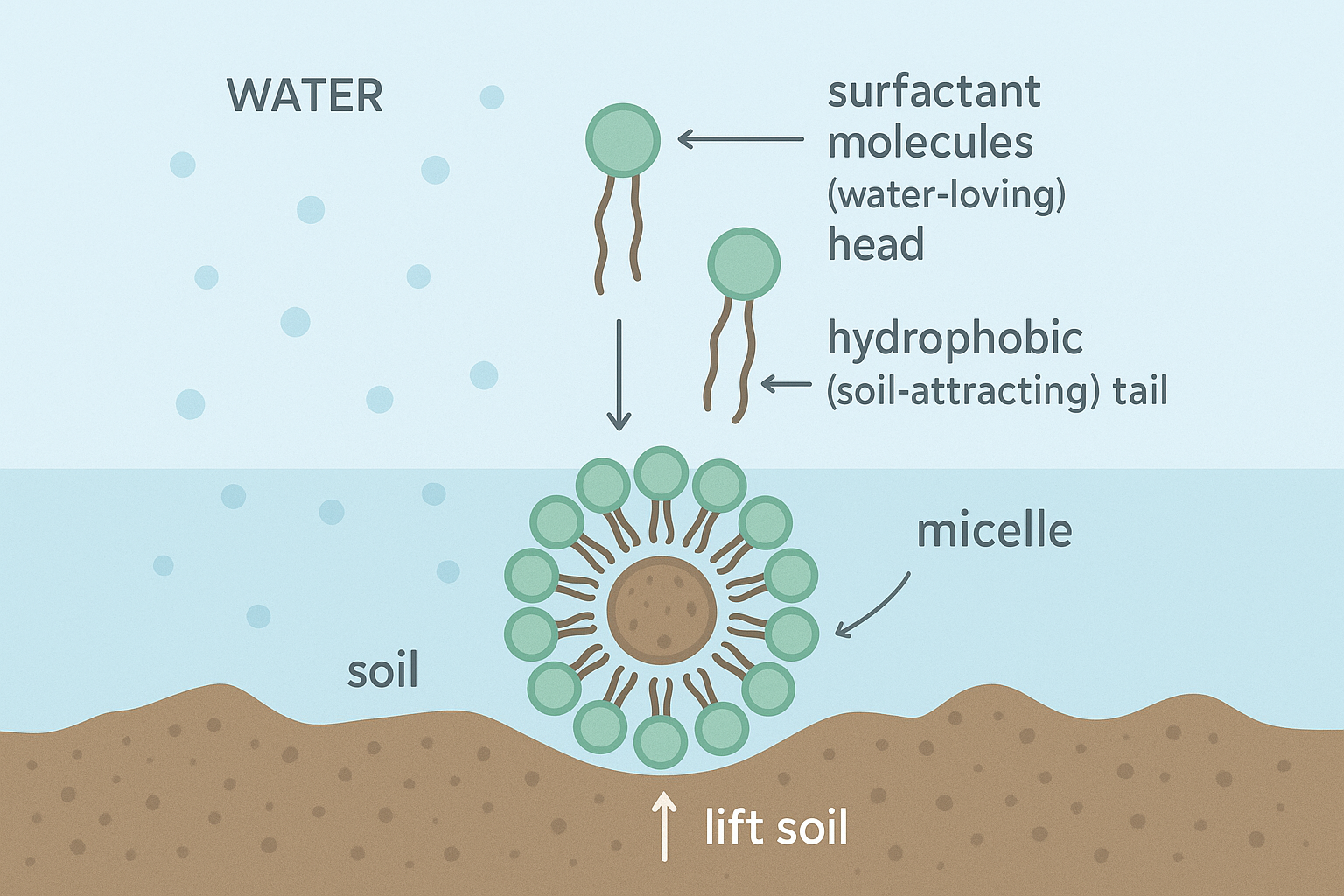
The word “surfactant” refers to surface active agents. These are compounds that reduce the surface tension of water, allowing it to spread more easily across surfaces and penetrate soils. Water alone has high surface tension, which prevents it from effectively lifting oils, greases, and other hydrophobic materials. Surfactants bridge that gap. They contain two molecular ends, one attracted to water and one attracted to oils or soils. This structure allows surfactants to bond with both water and contaminants, helping the cleaner break down and lift away unwanted material.
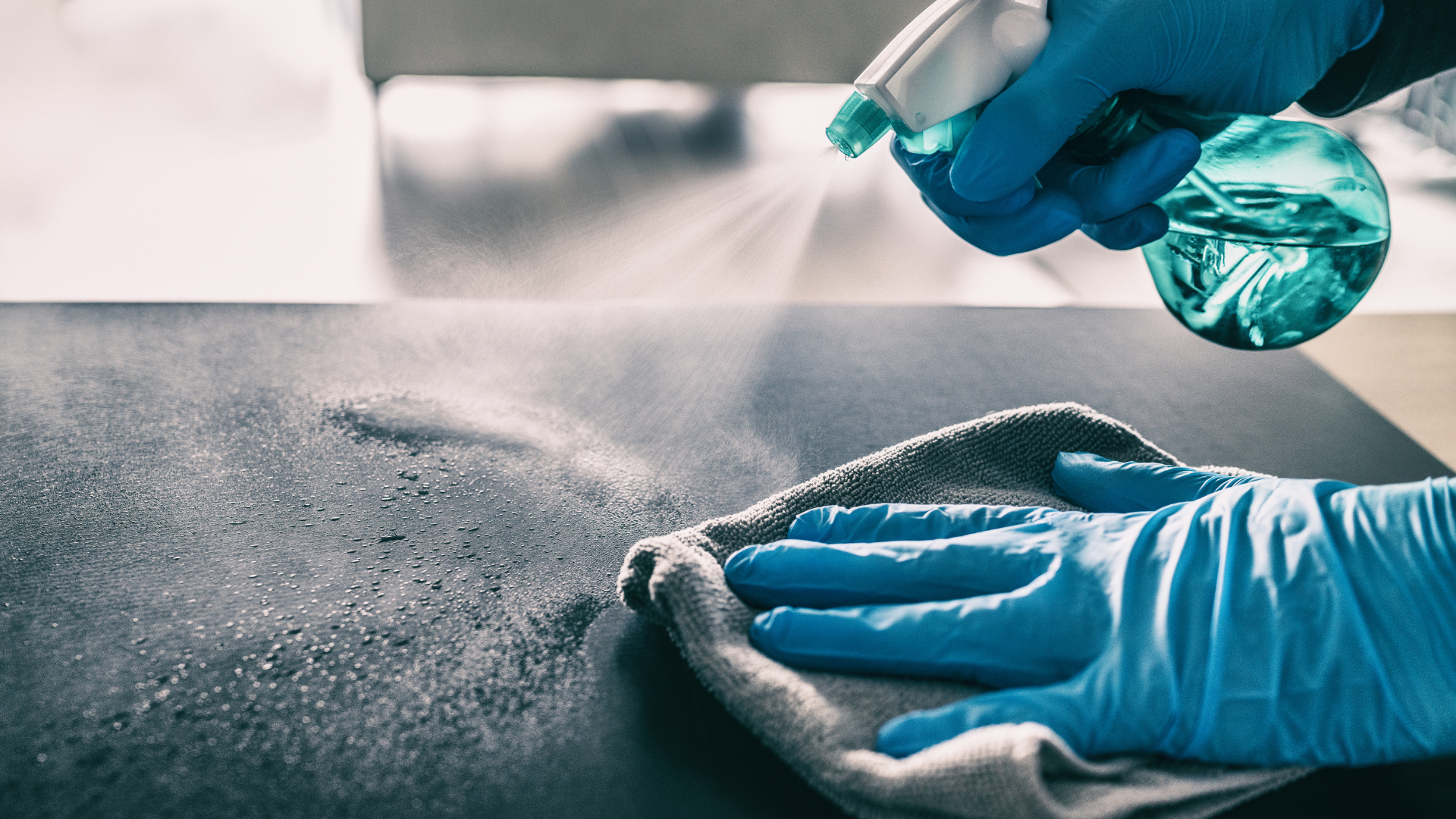
Surfactants are found in degreasers, detergents, floor cleaners, emulsifiers, and countless specialty products. When selected and blended properly, they contribute to faster cleaning, better soil removal, and improved efficiency.
How Surfactants Break Down and Lift Soil
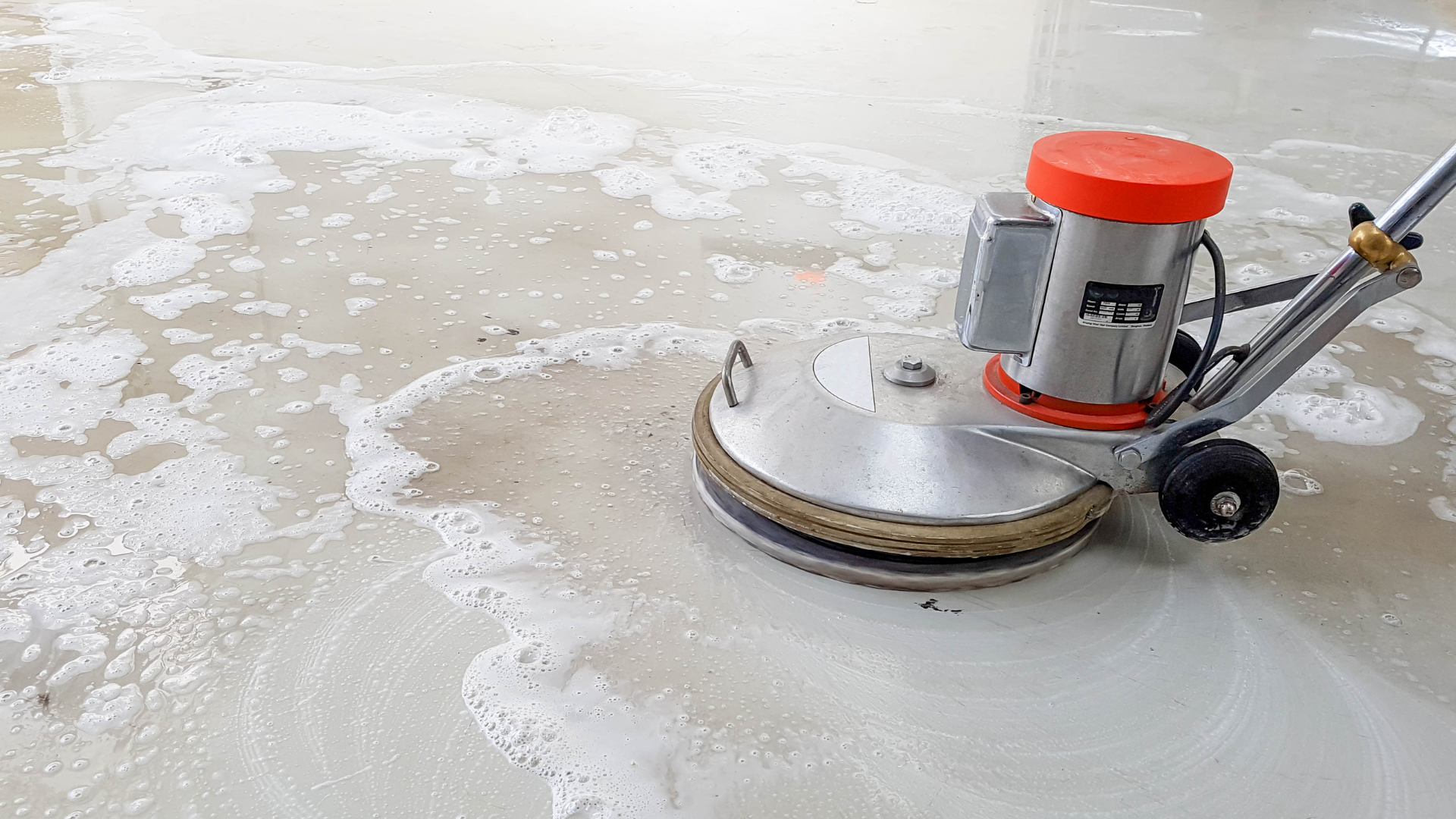
The cleaning process begins when the surfactant molecules are activated in water. The water loving end attaches to the cleaning solution, while the soil attracting end connects with oils, greases, and dirt. As the cleaner is agitated or allowed to dwell, the surfactant molecules surround the soil particles. This forms small structures known as micelles. Micelles trap the soil inside and keep it suspended in the cleaning solution.
This suspension is important. Instead of the soil redepositing on the surface, micelles allow the contaminants to be rinsed or wiped away completely. The result is a cleaner, residue free surface. When choosing cleaning products for industrial or commercial use, it is important to select formulations that contain the appropriate surfactants for the specific type of soil being removed.
Types of Surfactants and Their Applications
Surfactants fall into several general categories. Each category has strengths suited to particular applications.
- Nonionic surfactants are widely used because they provide strong cleaning action with relatively low foaming. They work well for removing organic soils such as oils, fats, and greases. Their versatility makes them common in general purpose cleaners and industrial degreasers.
- Anionic surfactants have a negative charge, which helps lift particulate soils. They are often used in products that require strong detergency, such as floor cleaners or heavy soil removal products.
- Cationic surfactants carry a positive charge and are often found in products designed to condition or protect surfaces. They are not typically used for heavy soil removal but can support specialized applications.
- Amphoteric surfactants contain both positive and negative charges depending on the pH of the solution. They offer mild cleaning performance and can be used in combination with other surfactants to create balanced cleaning action.
At Green Power Chemical, we select surfactants based on the specific cleaning challenge. By blending different types, we create formulations that lift soil effectively without compromising material compatibility or workplace safety.

How Surfactants Support Cleaning Efficiency
Surfactants reduce the amount of physical effort required to remove soils. Because they help water spread more easily and penetrate contaminants, workers spend less time scrubbing or reapplying product. This improves productivity in industrial facilities, commercial buildings, and food processing environments where cleaning efficiency directly affects operational uptime.
Additionally, effective surfactants help avoid chemical waste. When cleaning products work as intended, less product is needed to accomplish the same task. This supports cost control and reduces the amount of chemical discharge.
Responsible Surfactant Selection
Not all surfactants are suitable for all applications. Certain materials may be sensitive to high alkalinity or strong detergency. Choosing compatible surfactants helps protect equipment, flooring, and sensitive surfaces. Our formulations are designed to balance strength and safety, giving users confidence that they are applying products that meet their cleaning needs without unnecessary risk.
Supporting Clean and Efficient Operations
Understanding surfactants helps customers make informed decisions when selecting cleaning products. These powerful ingredients play a central role in how well a product performs, how efficiently tasks are completed, and how materials are protected during cleaning. At Green Power Chemical, we continue to refine our formulations with surfactants that deliver reliable results for industrial and commercial environments. By choosing well balanced products, facilities can maintain cleaner operations, reduce downtime, and support a safer working environment.
You can contact us by phone at 800-932-9371, by emailing us at peter@greenpowerchemical.com, or through the contact form here on our site.