How Sustainable Cleaners Protect Equipment and Surfaces From Long Term Damage
Industrial and commercial facilities depend on cleaning products that perform effectively while preserving the integrity of the surfaces and equipment being cleaned. Many conventional cleaners rely on harsh solvents, extreme pH levels, or aggressive chemical action that removes soil quickly but may also shorten the lifespan of materials. Sustainable cleaners are formulated to deliver strong performance without causing unnecessary surface degradation. At our company, we focus on developing products that support operational efficiency, reduce long term asset damage, and meet environmental expectations.
Understanding How Surface Damage Occurs
Surface and equipment damage often develops over time because of repeated exposure to incompatible cleaning agents. Highly acidic or highly alkaline products may break down protective coatings, corrode metals, or weaken seals and gaskets. Harsh solvents can dissolve plastics, remove finishes, and create brittleness in sensitive materials. When these products are used daily or weekly, their cumulative impact can lead to premature wear, increased repair needs, and costly replacements.
Residue buildup is another source of long term damage. Some cleaners leave films that attract dirt or interfere with equipment function. Residues may create stickiness, reduce lubrication efficiency, or compromise moving components. Sustainable cleaners are formulated to reduce or eliminate these risks.
Balanced Formulations Preserve Material Integrity
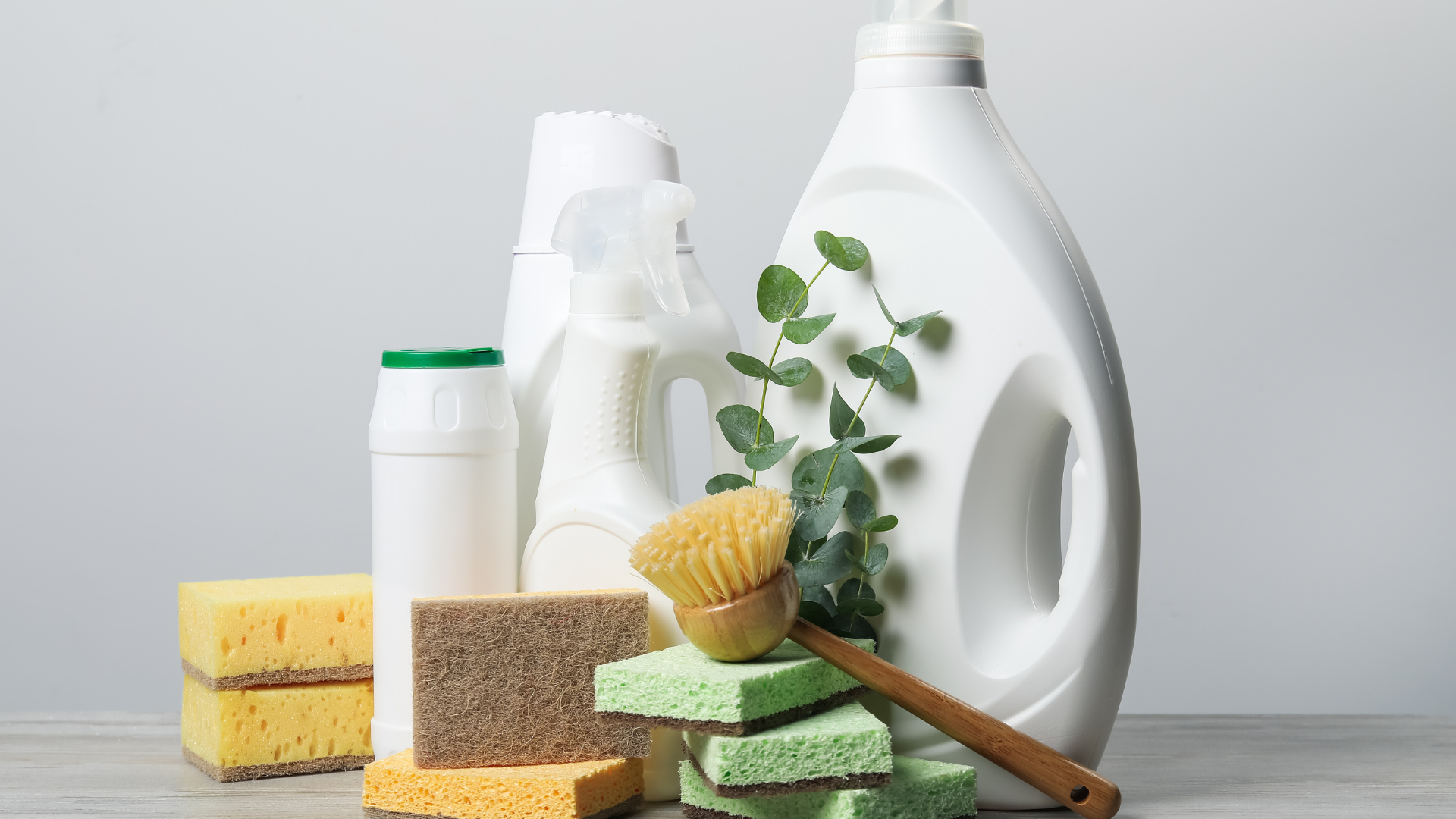
Sustainable cleaners are designed with balanced pH levels and safer ingredient profiles. These formulations are engineered to remove soil without compromising the surfaces they touch. When pH is properly controlled, the cleaner becomes suitable for a wider range of materials, including metals, plastics, rubber, sealed wood, coated surfaces, and sensitive equipment components.
By avoiding ingredients that cause rapid material breakdown, sustainable cleaners help preserve coatings, reduce corrosion, and protect surface finishes. This approach allows facilities to maintain equipment that performs as intended for a longer period of time. The result is greater asset longevity and fewer unplanned maintenance expenses.
Improved Chemical Compatibility With Equipment
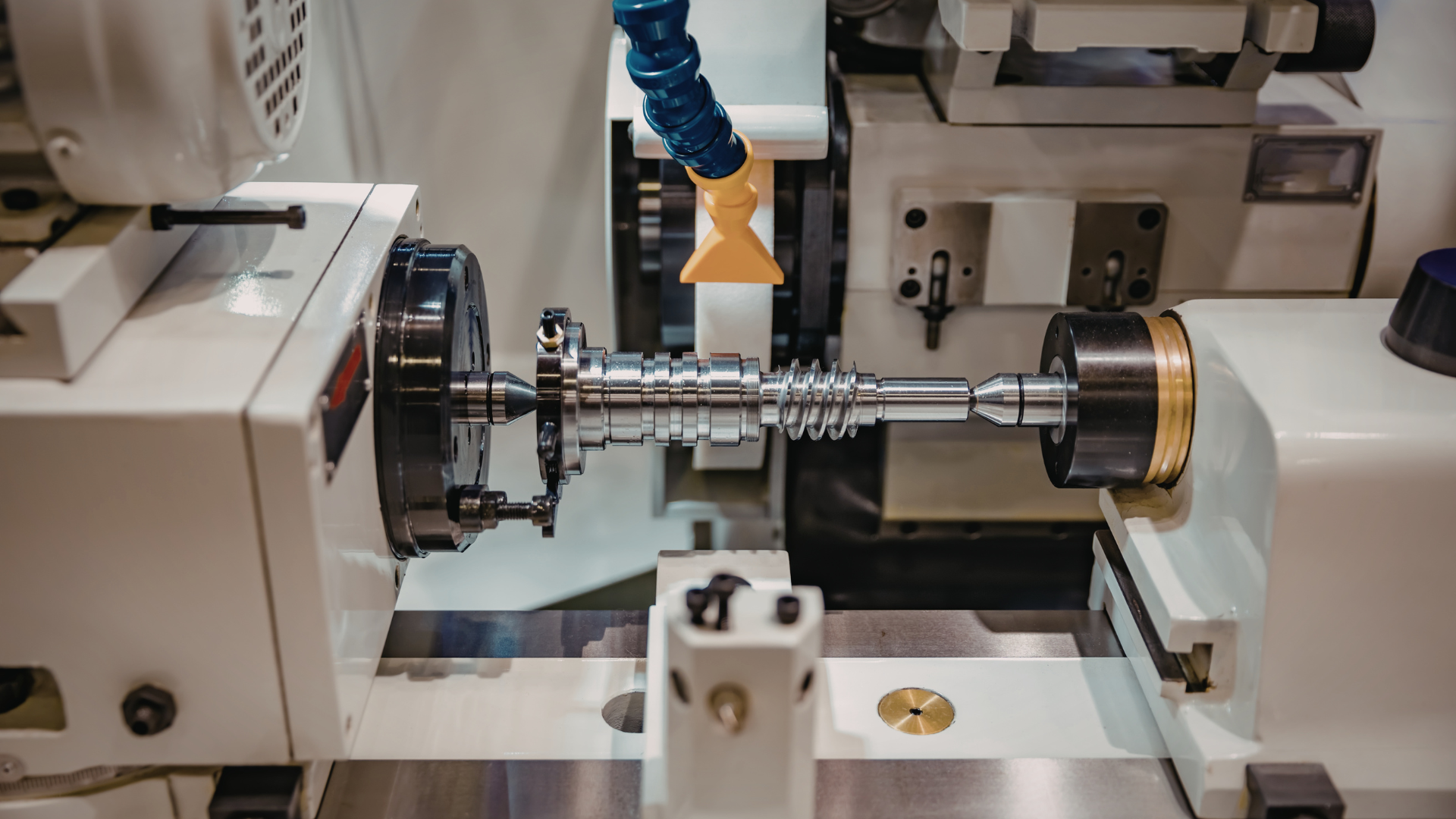
Modern industrial and commercial equipment often includes mixed materials, electronic components, and delicate finishes. Sustainable cleaners are formulated for compatibility with this level of complexity. Water based solutions, mild surfactants, and controlled solvent systems help remove dirt, grease, and grime without compromising wiring, seals, or protective housing.
For equipment that must meet strict sanitation or cleanliness standards, consistent compatibility is essential. Sustainable cleaners help ensure that the cleaning process supports, rather than hinders, the performance of the equipment. This reduces the risk of downtime caused by chemical damage, and it helps facilities meet regulatory or operational standards.
Reducing Corrosion and Metal Degradation
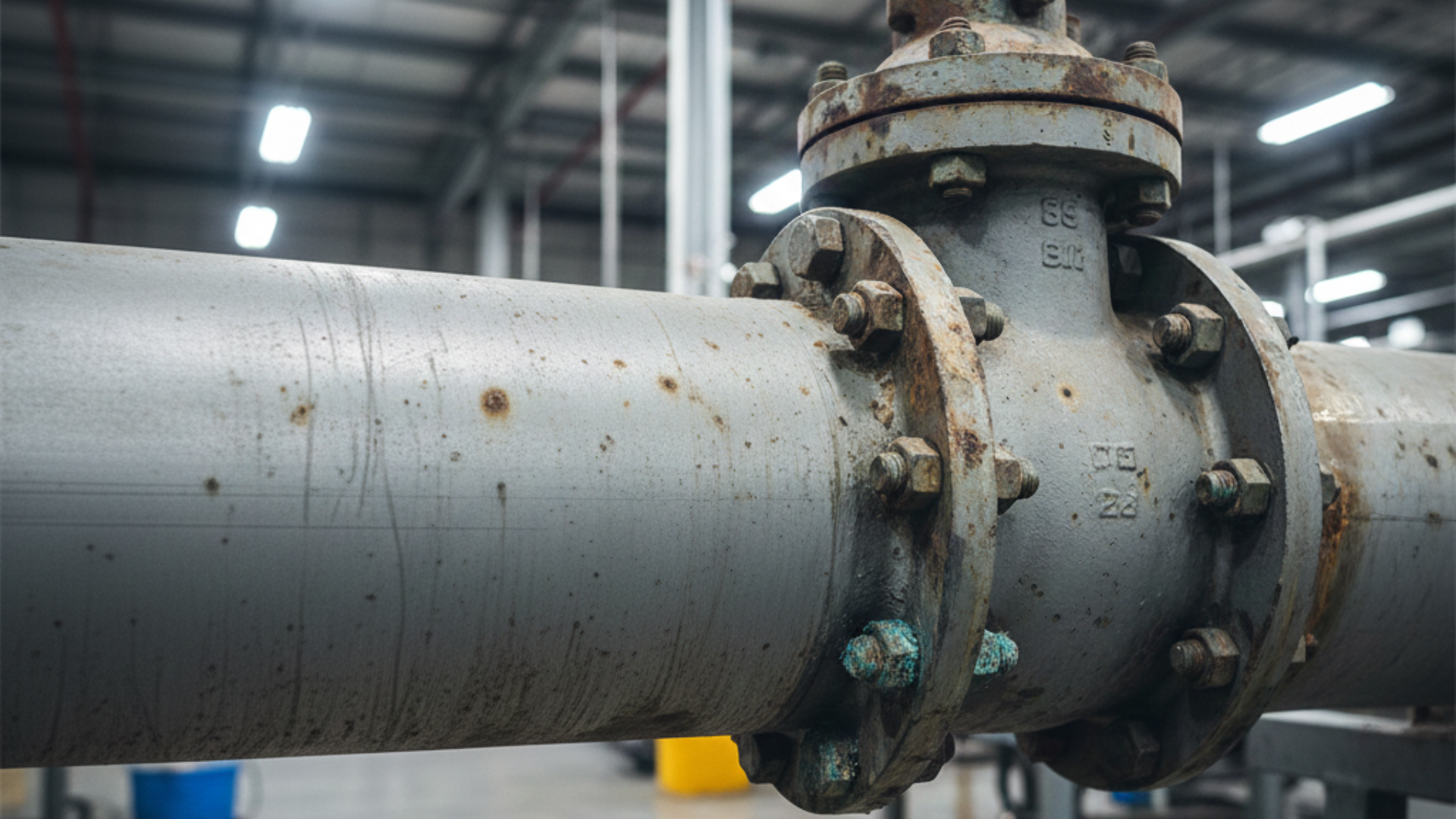
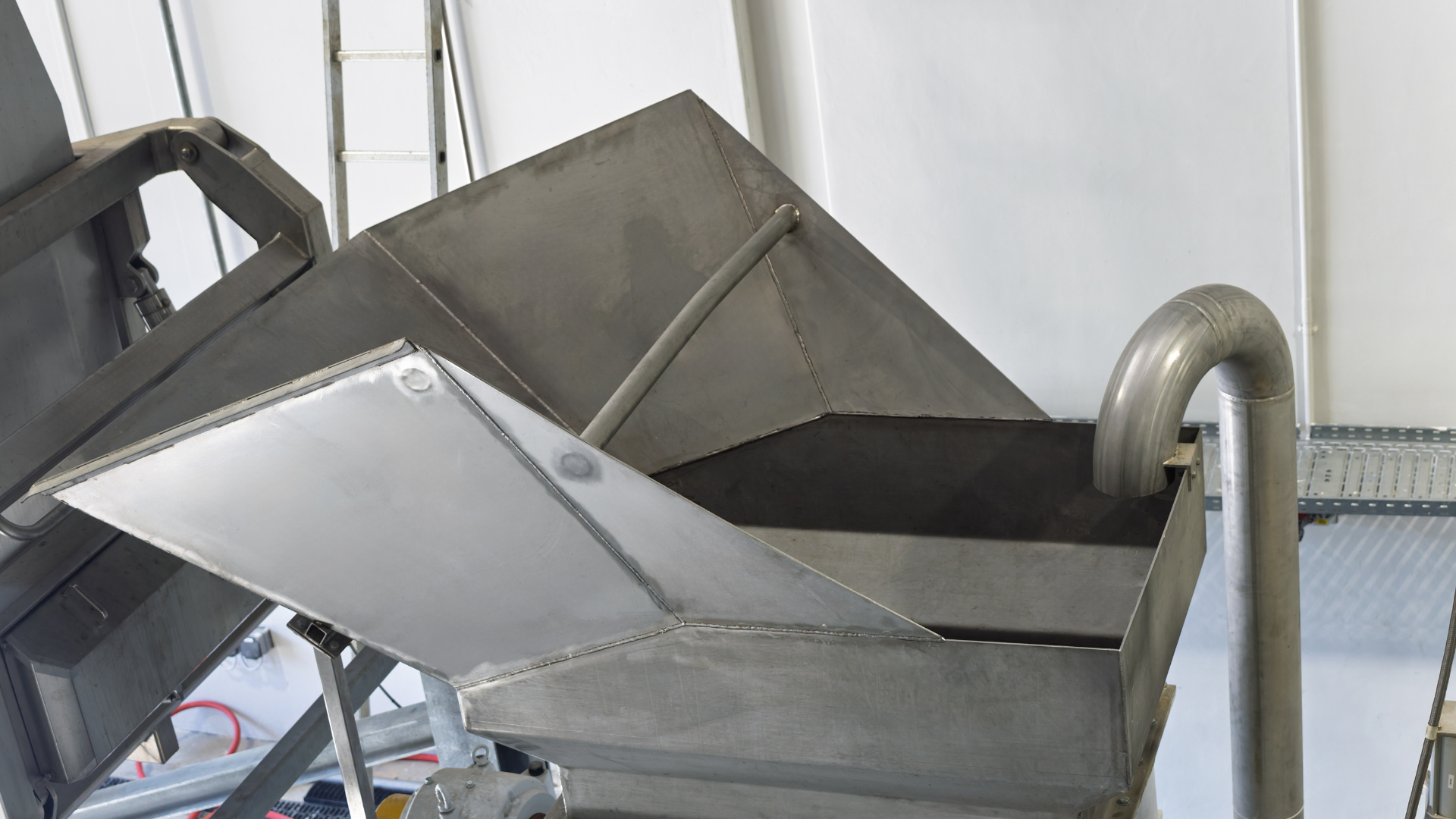
Corrosion is a major concern in industrial environments. Many metals are sensitive to repeated exposure to strong chemicals. When a cleaner penetrates protective coatings or reacts with metal surfaces, it can accelerate rust formation and weaken structural components.
Sustainable cleaners help minimize these risks by using corrosion inhibitors and gentler cleaning agents. These ingredients allow soils to be removed effectively while reducing chemical reactions that lead to deterioration. In environments where metal equipment is frequently cleaned, this protection is especially valuable.
Supporting Safer Daily Cleaning Practices
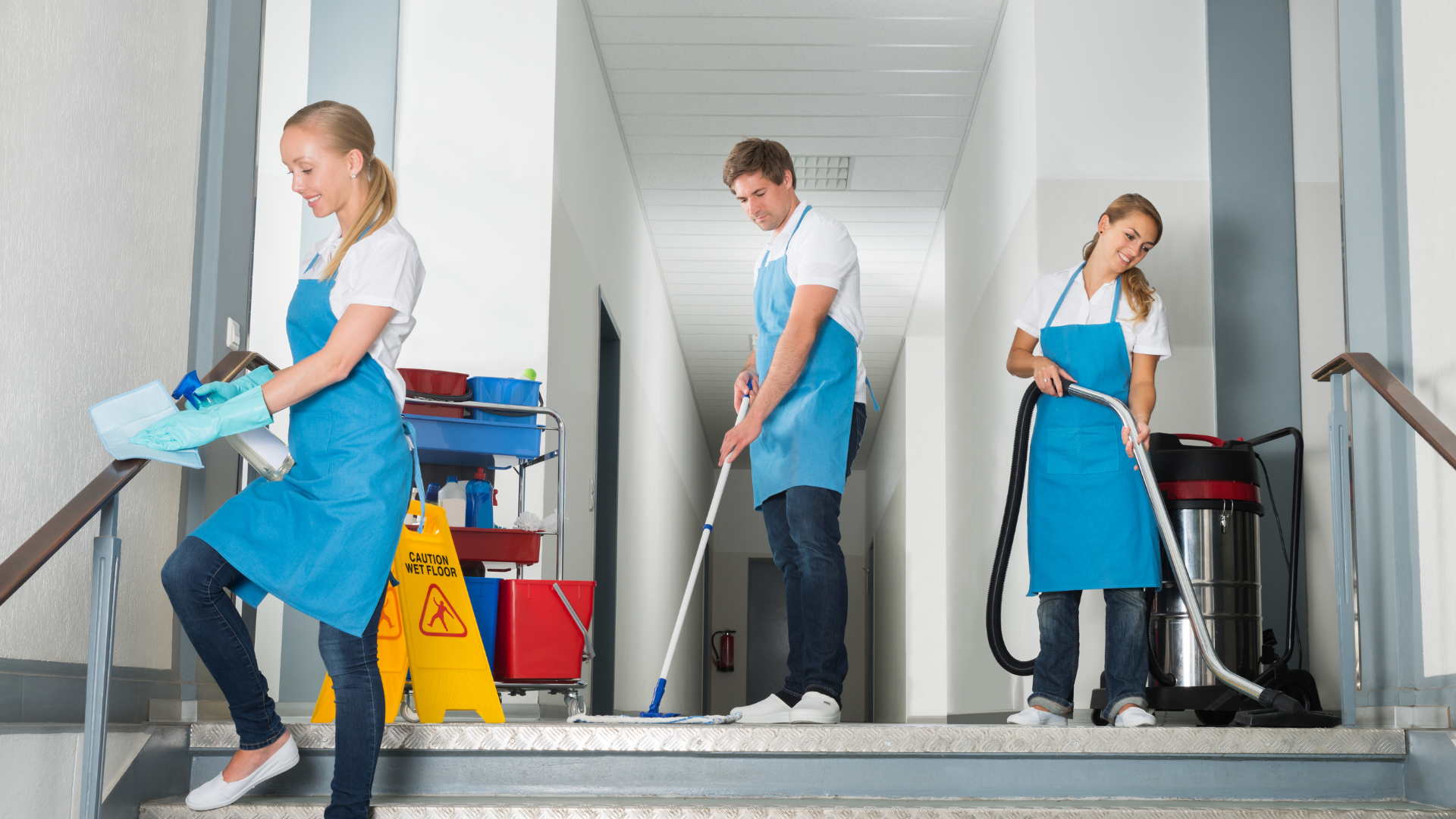
Sustainable cleaners help protect not only equipment but also the individuals using the products. Harsh chemicals often require specialized handling, increased ventilation, or more extensive personal protective equipment. By reducing the need for aggressive solvents and extreme pH products, sustainable solutions support safer daily use and encourage consistent cleaning practices.
When workers feel more comfortable using the cleaning products, routine cleaning becomes more consistent. This consistency helps maintain equipment condition and prevents the accumulation of debris that may cause issues over time.
Enhancing Surface Appearance and Performance
Well maintained surfaces contribute to the overall appearance and professionalism of a facility. Sustainable cleaners support this by helping preserve gloss, clarity, and texture. Floors, countertops, panels, and coated surfaces retain their intended finish when cleaned with products that do not degrade them.
For facilities with customer facing areas, this preservation is especially important. Clean and well protected surfaces help convey quality and attention to detail. In back of house areas, preserved surfaces help maintain functionality and prolong the usefulness of equipment and fixtures.
Long Term Benefits for Facility Operations
Using sustainable cleaners is not only a responsible environmental choice but also a practical long term maintenance strategy. By protecting surfaces and equipment from chemical damage, facilities can reduce repair costs, minimize downtime, and extend the life of essential assets. Sustainable products allow cleaning routines to remain thorough and effective without introducing unnecessary risk.
Supporting Facility Longevity Through Responsible Cleaning
Sustainable cleaners offer a balanced approach to performance and protection. By using formulations that clean effectively while preserving material integrity, facilities can maintain their equipment and surfaces for years to come. At our company, we remain committed to developing products that support safe operations, minimize long term damage, and help businesses build maintenance programs that protect their investments.
You can contact us by phone at 800-932-9371, by emailing us at peter@greenpowerchemical.com, or through the contact form here on our site.