Outdoor Graffiti Cleanup Made Easy: Summer Maintenance for Municipal Spaces

July 23, 2025

Tackling Graffiti in Busy Public Spaces

As summer arrives, municipalities face the annual uptick in public activity. Parks are full, transit hubs are busier, and community events draw more visitors to outdoor spaces. Alongside the benefits of warm weather and outdoor engagement, city and county maintenance departments also deal with increased wear, including one persistent issue: graffiti.


Graffiti removal during the summer presents logistical challenges, from higher temperatures affecting chemical application to increased foot traffic that limits cleaning windows, not to mention that the summer months are the most active for graffiti writers. However, maintaining clean, graffiti-free surfaces is essential for preserving civic pride and public safety. The good news is that modern, eco-conscious cleaning solutions are making it easier to keep outdoor spaces looking sharp while staying compliant with local and federal environmental standards.
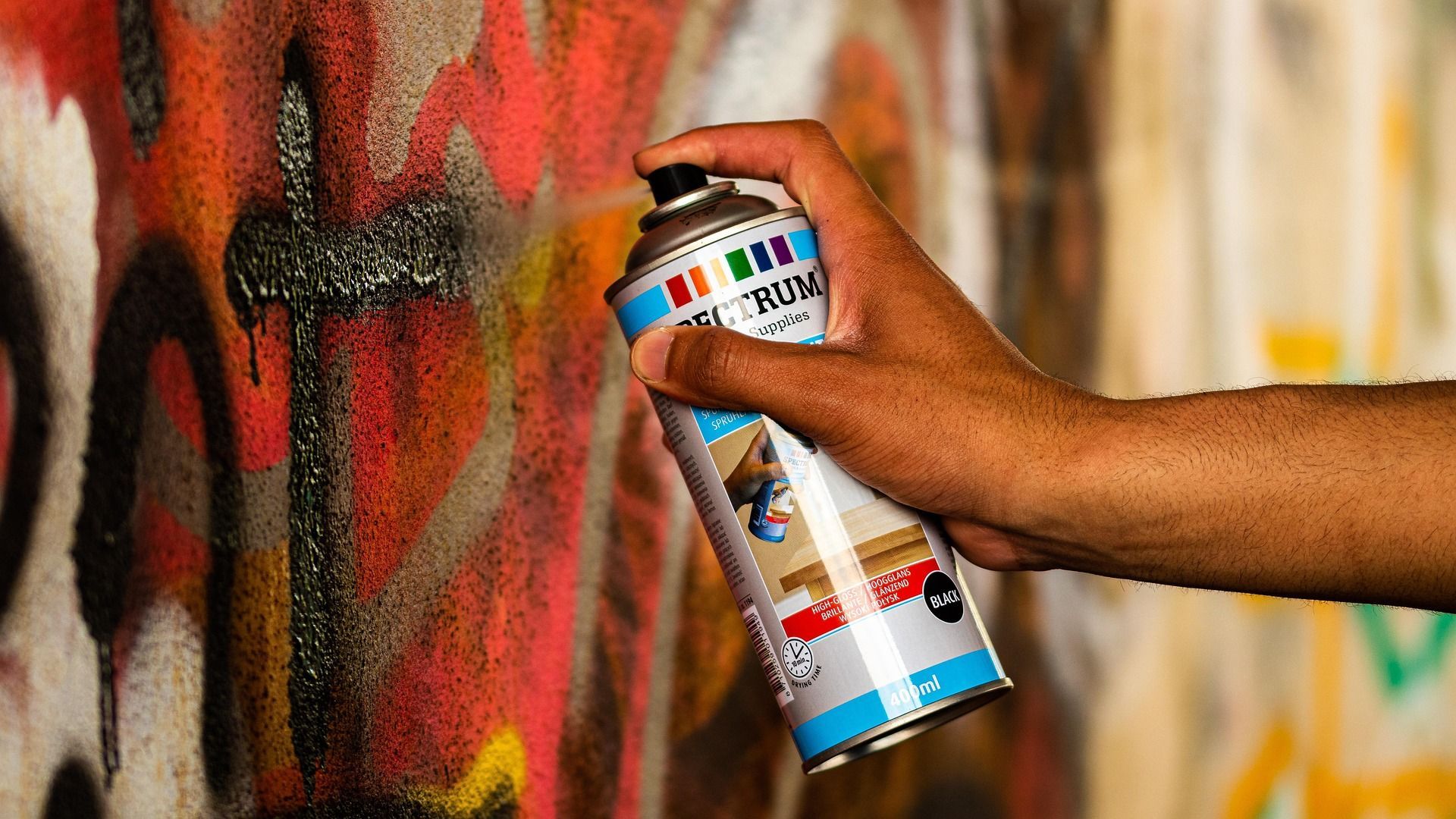
A person is spray painting graffiti on a wall with a can of spray paint.

Why Summer Makes Graffiti Cleanup More Challenging

Increased public presence in parks, on bridges, at transit stops, and throughout downtown corridors can lead to more frequent acts of vandalism. While some graffiti may be artistic or benign, much of it is not, and when left untreated, it can quickly spread and give public spaces an unkempt or unsafe appearance.


Summer heat can also complicate cleanup. Many traditional graffiti removers contain harsh solvents that evaporate quickly in hot temperatures or leave residues that can harm nearby plants, pollute runoff, or pose risks to maintenance workers.


Municipalities are also under pressure to use environmentally responsible products, especially in areas close to waterways or green zones. That is why many are making the shift toward biodegradable, low-toxicity cleaning agents designed to remove graffiti without damaging surfaces or the surrounding ecosystem.

A wall with graffiti on it that says netz

The Role of Green Cleaners in Graffiti Removal

Green Power Chemical offers graffiti removal solutions that are effective without relying on caustic solvents. Our formulas are engineered to break down spray paint, marker ink, and adhesives from a variety of surfaces, including concrete, brick, wood, and metal. These cleaners are powerful enough for municipal demands but gentle enough to use near landscaping, pedestrian areas, and sensitive infrastructure.


Some of the key benefits of using our graffiti removal products in public spaces include:

  • Biodegradable ingredients that reduce environmental impact
  • Non-flammable formulations that are safer for workers
  • Lower VOC emissions, helping municipalities meet air quality guidelines
  • Compatibility with common application tools like sprayers and pressure washers
  • Strong performance in a variety of temperature conditions, including summer heat


Whether a maintenance crew is working on city hall, a skate park, or a public overpass, our graffiti removers help them do the job efficiently and responsibly.
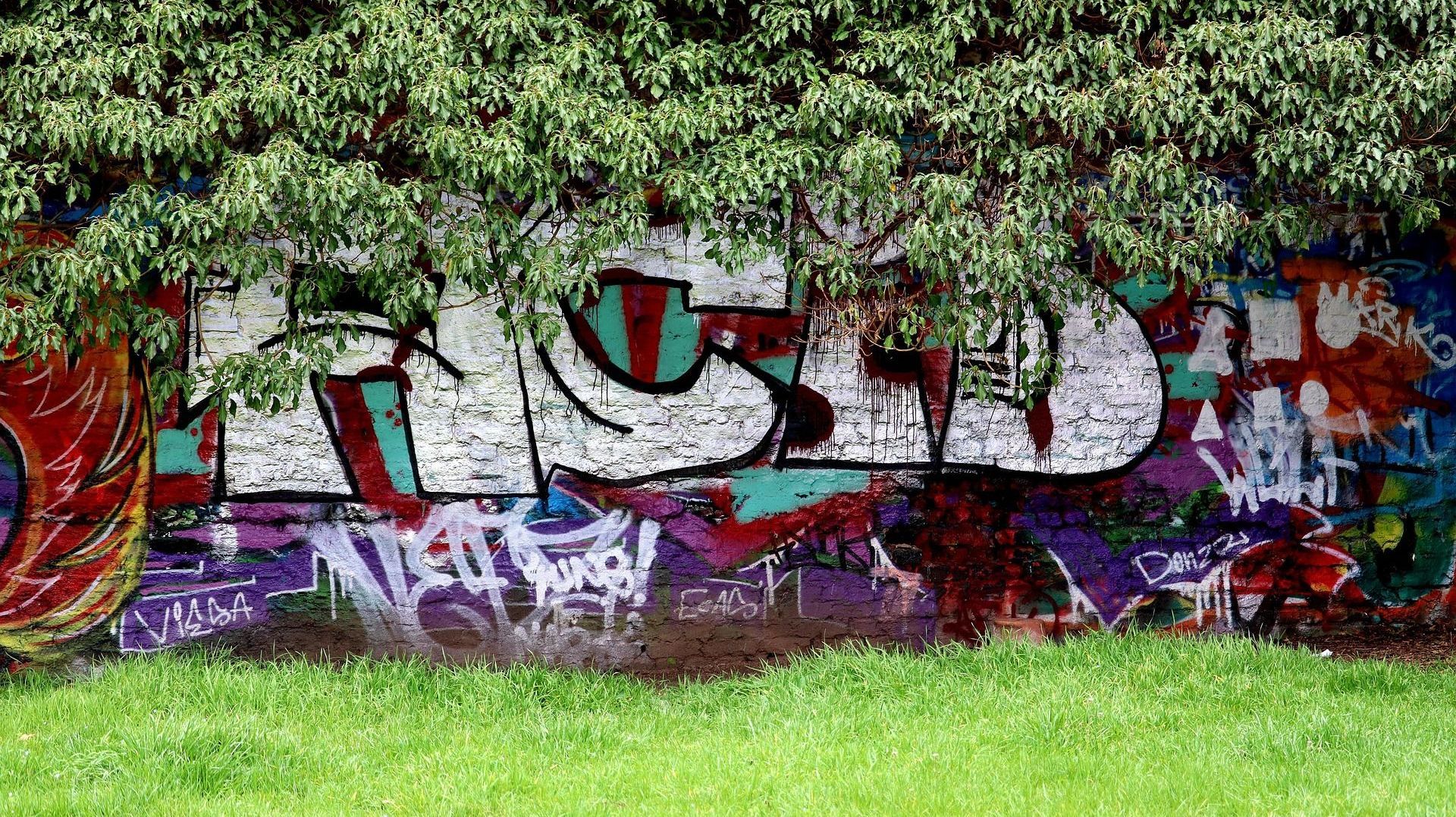
A wall with graffiti on it and a tree in the background.

Staying Compliant with Environmental Regulations

Municipal cleaning operations are increasingly subject to scrutiny, especially regarding runoff and air pollution. Regulatory bodies such as the Environmental Protection Agency (EPA) and state-level environmental departments have strict standards about what chemicals can be used in public spaces.


Using an eco-certified graffiti remover not only reduces the legal risk but also reflects the municipality’s commitment to sustainability. Green Power Chemical’s products are developed with compliance in mind, helping clients stay ahead of current and evolving regulations.


This is especially important in urban environments where storm drains connect directly to local waterways. The use of harsh cleaners that are not biodegradable can contribute to water contamination and potential fines. Our products help avoid these problems while still delivering professional-grade results.

A man is painting graffiti on the side of a brick building.

Applications Across Public Infrastructure

Graffiti does not just appear on walls. It shows up on signs, playgrounds, bus stops, benches, and utility boxes. Our versatile graffiti removal products are designed for use across all of these surfaces. Maintenance teams can rely on a single solution across departments and zones, simplifying procurement and reducing training needs.


In areas with ongoing issues, regular cleaning schedules supported by effective products can serve as a deterrent, signaling that the city maintains control and takes community upkeep seriously.


Final Thoughts

Summer should be a time when public spaces shine. Clean, well-maintained areas not only foster community pride but also reduce the likelihood of future vandalism. With Green Power Chemical’s graffiti removal solutions, municipalities can keep surfaces clean without compromising safety or sustainability.


If your maintenance team is looking for effective and compliant graffiti removal products this summer, we are ready to help. Contact us today to learn more about our formulations and how we can support your summer maintenance goals.

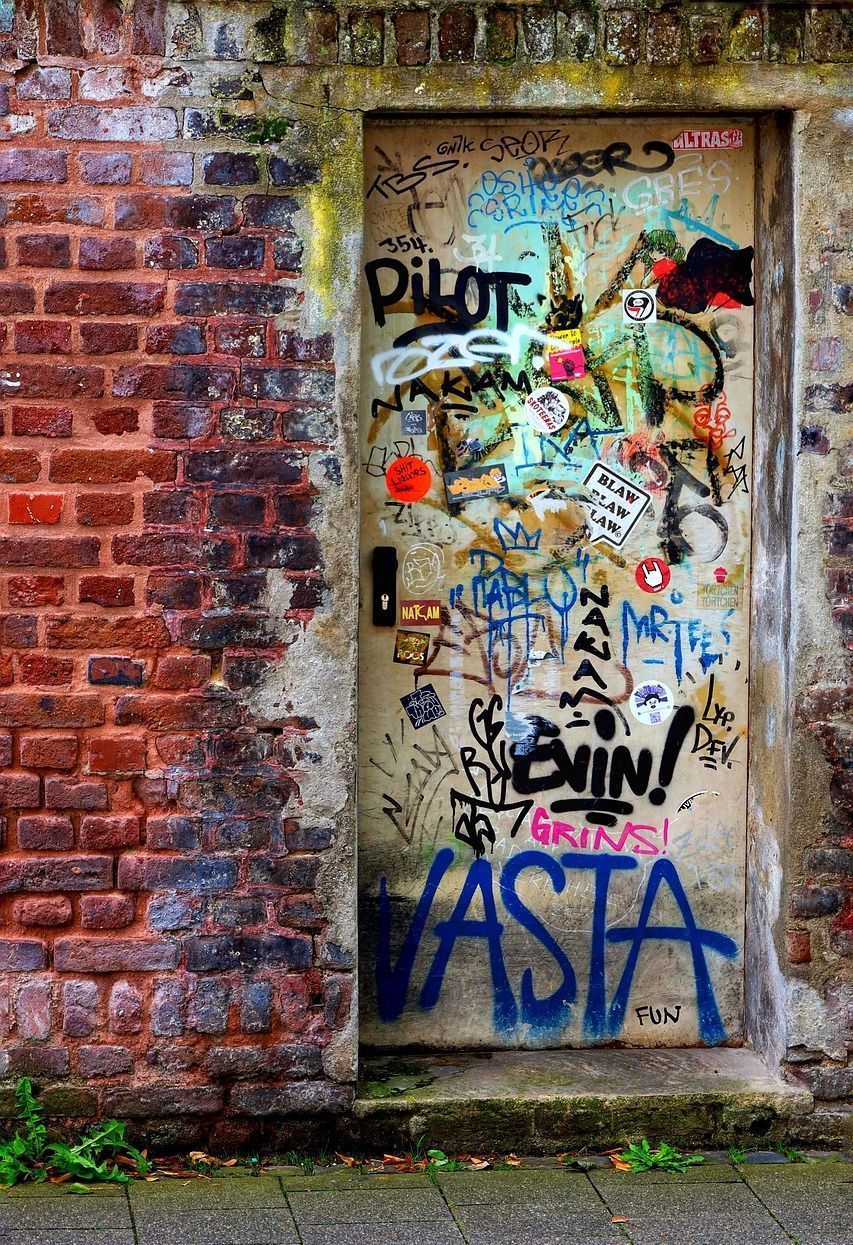
A close up of a wall with graffiti on it.
A brick wall with graffiti on it including the word asta
A person is spray painting a blue wall with a spray can.
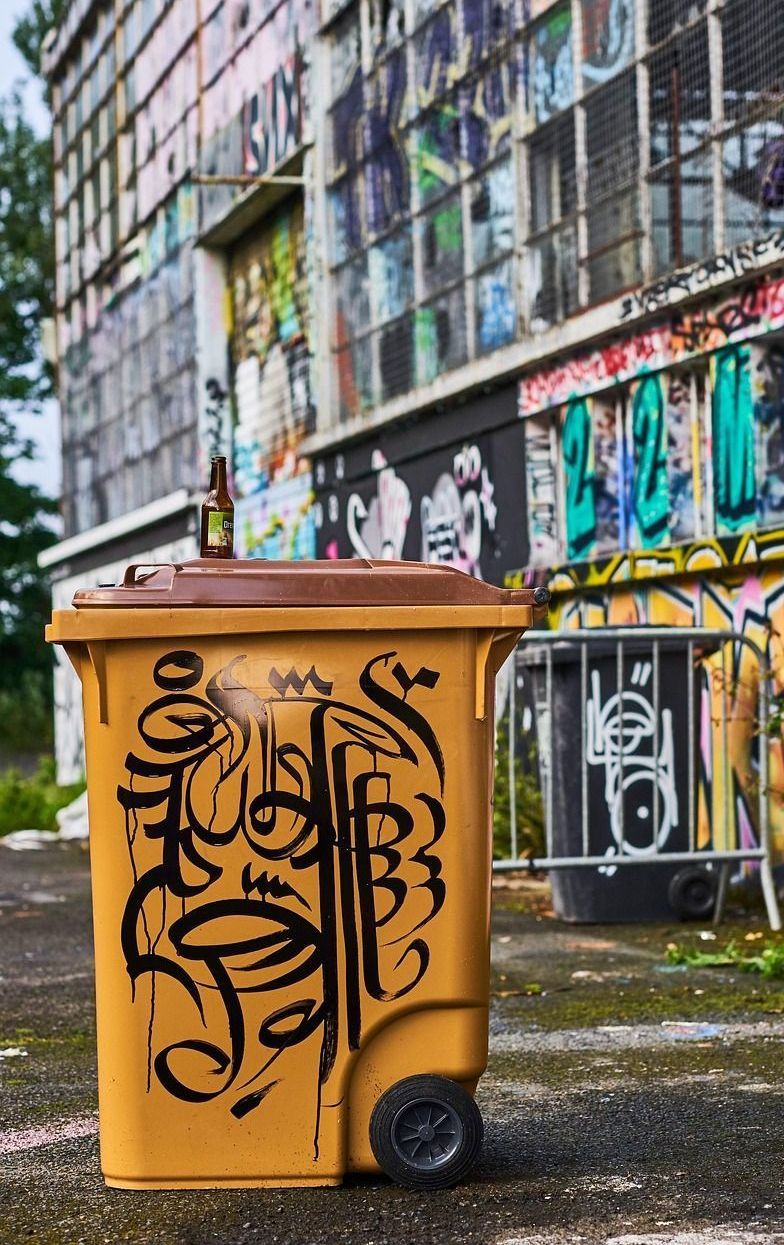
A yellow trash can with graffiti on it is sitting in front of a graffiti covered building.
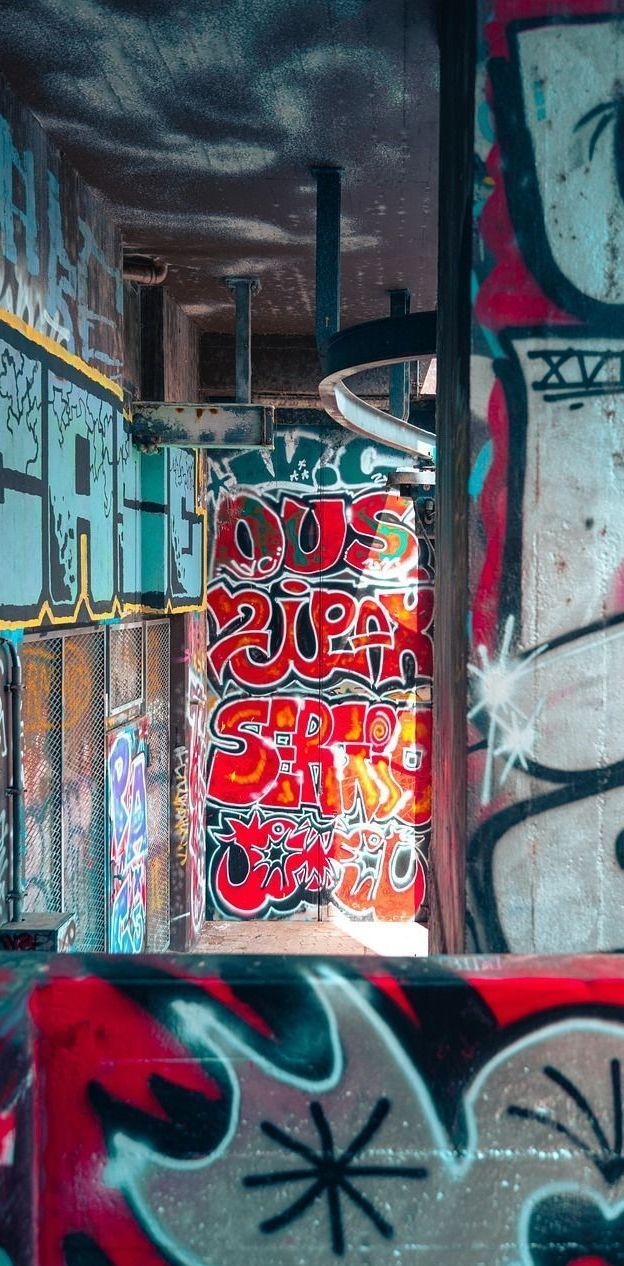
A wall with a lot of graffiti on it

You can contact us by phone at 800-932-9371, by emailing us at peter@greenpowerchemical.com, or through the contact form here on our site.
April 29, 2026
Logistics environments are built for constant movement. Warehouses, distribution centers, and fulfillment facilities operate on tight schedules, with equipment, personnel, and inventory moving continuously throughout the day. In these high-traffic settings, cleanliness is often viewed as a secondary concern. In reality, it plays a direct role in safety, efficiency, and overall operational performance.  Maintaining clean surfaces is not simply about appearance. It is a foundational part of keeping logistics environments functioning as intended.
April 22, 2026
Persistent buildup is a common challenge across industrial and commercial environments. Whether it appears on floors, equipment, or work surfaces, residue that accumulates over time can be difficult to remove using standard cleaning methods. What begins as a manageable condition can gradually become more resistant, affecting both appearance and performance.  Understanding how buildup forms and why it persists is the first step toward addressing it effectively.
April 15, 2026
Graffiti is a common issue in many municipalities, affecting everything from public buildings to sidewalks and infrastructure. While some forms of graffiti are intentional art , unauthorized markings often create challenges for property owners and local governments. Beyond the immediate visual impact, graffiti can influence how a space is perceived and used over time.  Understanding the role of graffiti removal helps highlight why it is an important part of maintaining public environments.
April 9, 2026
Logistics and fulfillment centers operate in fast-paced environments where efficiency is directly tied to output, safety, and operational consistency. While technology, staffing, and inventory management often receive the most attention, facility cleanliness plays a critical role in supporting performance across the entire operation. A well-maintained facility is not simply a matter of appearance. It is a functional component of an efficient supply chain.  Understanding how cleanliness impacts logistics operations can help facility managers and operators make more informed decisions about maintenance strategies.
April 2, 2026
Food manufacturing facilities operate under strict sanitation standards designed to protect consumers and ensure product quality. From raw ingredient handling to final packaging, every stage of production must meet regulatory expectations set by agencies such as the FDA and USDA . While cleaning protocols are a central part of compliance, the type of cleaning products used also plays an important role.  Green cleaning products are increasingly being adopted in food manufacturing environments because they help facilities maintain high sanitation standards while reducing potential risks associated with traditional chemical cleaners. When properly formulated, these products support compliance by combining effective cleaning performance with safer chemical profiles.
March 24, 2026
Senior care facilities are responsible for maintaining environments that support the health, comfort, and dignity of their residents. Cleanliness is a critical part of that responsibility. From resident rooms to common areas, proper sanitation helps reduce the spread of illness and creates a more welcoming space for both residents and staff. However, the products used to achieve that cleanliness are just as important as the cleaning process itself.  Traditional cleaning chemicals can introduce risks that are often overlooked. In senior care environments, where residents may have increased sensitivity to chemical exposure, eco-friendly cleaning solutions offer a safer and more balanced approach. These products are designed to provide effective cleaning while minimizing potential harm to residents, staff, and the surrounding environment.
March 18, 2026
For many years, industrial cleaning relied heavily on harsh chemicals and solvent-based products. These substances were often effective at removing grease, oils, and contaminants from machinery and manufactured parts, but they also created significant environmental and safety concerns . Today, many companies are reevaluating their cleaning processes and looking for safer alternatives. As a result, green industrial cleaning products are becoming an increasingly important part of modern manufacturing and maintenance practices.  Green cleaning chemistry focuses on reducing environmental impact while still delivering the cleaning performance that industrial operations require. By replacing hazardous solvents with more environmentally responsible formulations , companies can protect both their workers and the environment without sacrificing efficiency.
March 11, 2026
In aerospace manufacturing , precision is everything. Every component that goes into an aircraft must meet strict performance standards, because even the smallest imperfection can affect safety, reliability, and long-term durability. While machining, forming, and assembly processes often receive the most attention, there is another critical step that is just as important: cleaning.  Residue-free cleaning plays a vital role in aerospace manufacturing . Oils, machining fluids, metal particles, and other contaminants can remain on parts after fabrication. If these residues are not completely removed before assembly, coating, or installation, they can compromise both the performance and longevity of aerospace components. This is why manufacturers place such strong emphasis on effective cleaning processes that leave surfaces completely free of contamination.
March 4, 2026
Industrial cleaning plays a critical role in manufacturing, aerospace, automotive, and heavy equipment operations. From degreasing metal components to preparing surfaces for coating, cleaning is essential to quality control. However, what happens after the cleaning process is just as important as the cleaning itself. Wastewater discharge regulations are becoming increasingly strict, and companies must ensure their cleaning operations align with federal, state, and local environmental standards.  At Green Power Chemical, we understand that wastewater compliance is not just a regulatory concern. It is a financial and operational priority. Selecting the right cleaning chemistry can significantly reduce discharge risks, simplify compliance, and protect both workers and the environment.
February 25, 2026
In aerospace manufacturing, performance tolerances are measured in fractions of millimeters and safety margins are calculated with rigorous engineering precision. In this environment, surface contamination is not a minor inconvenience. It can compromise bonding strength, coating adhesion, electrical conductivity, corrosion resistance, and overall component reliability. Precision cleaning is therefore not optional. It is a foundational step in aerospace quality assurance.  From airframe assemblies to turbine components, even microscopic residues such as oils, particulates, machining fluids, or polishing compounds can interfere with performance. Aerospace manufacturers operate under strict quality standards that demand repeatable and verifiable cleanliness. The integrity of each component depends not only on design and material selection but also on how effectively it is cleaned before final assembly or coating.