What Facility Managers Should Know About VOCs in Cleaning Products
Industrial and commercial cleaning products have to do more than remove grease, grime, oils, and other difficult soils. Facility managers also need to consider how those products affect workers, indoor air quality, storage practices, environmental goals, and day-to-day operations.
One factor that often comes up during product selection is
VOC content. VOCs, or volatile organic compounds, are chemicals that can evaporate into the air during product use. Understanding what they are and why they matter can help facilities make more informed decisions when selecting cleaners and degreasers.
What Are VOCs?
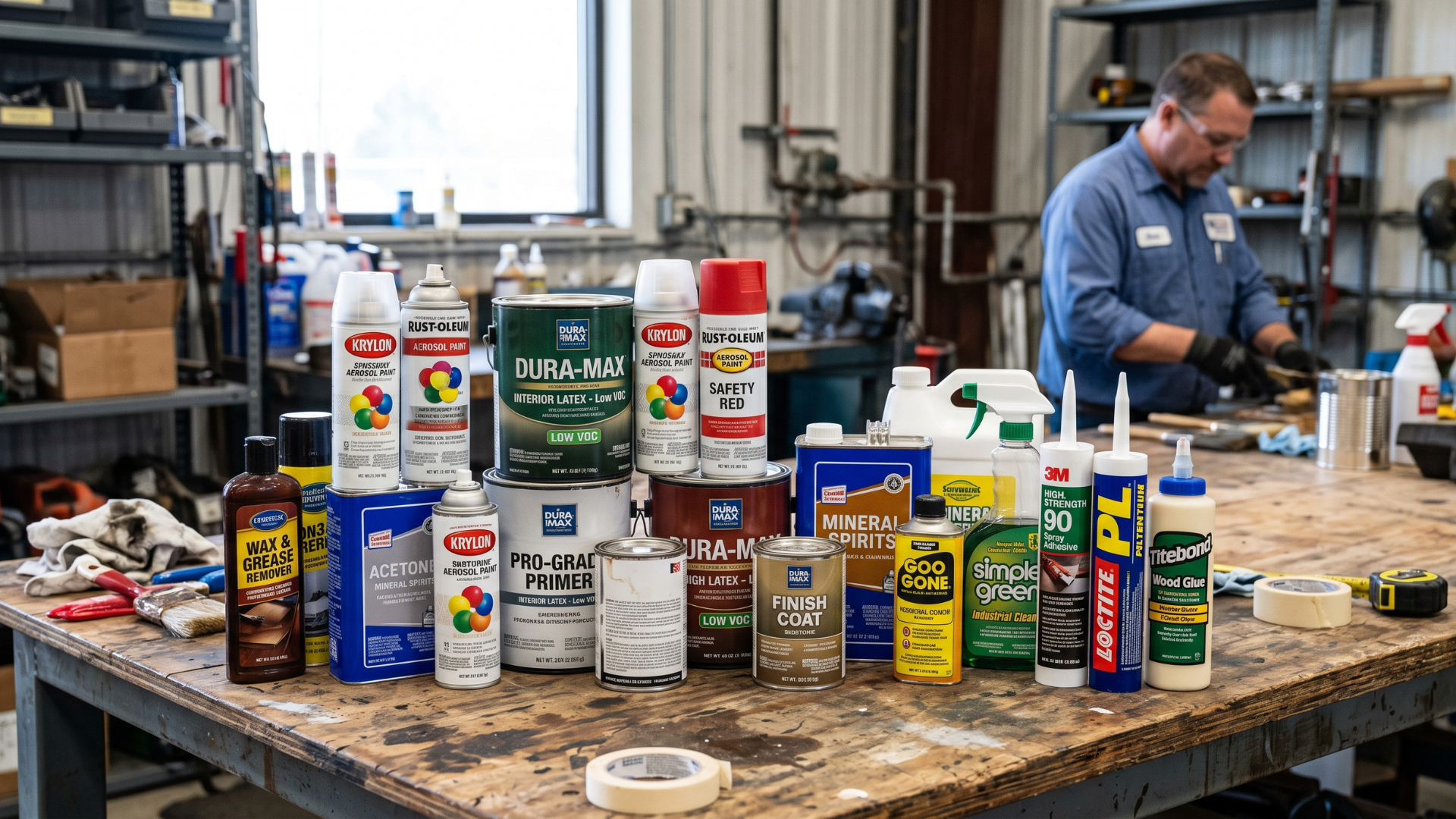
Volatile organic compounds are carbon-containing chemicals that readily evaporate under normal environmental conditions.
VOCs are found in many types of products, including paints, coatings, solvents, adhesives, fuels, and some cleaning chemicals. Depending on the specific compound and concentration, VOC emissions may contribute to indoor air-quality concerns or outdoor air pollution.
Not every cleaning product contains the same amount or type of VOCs. That is why facility managers should evaluate individual formulations rather than assuming that all industrial cleaners have similar characteristics.
Why VOC Content Matters Indoors
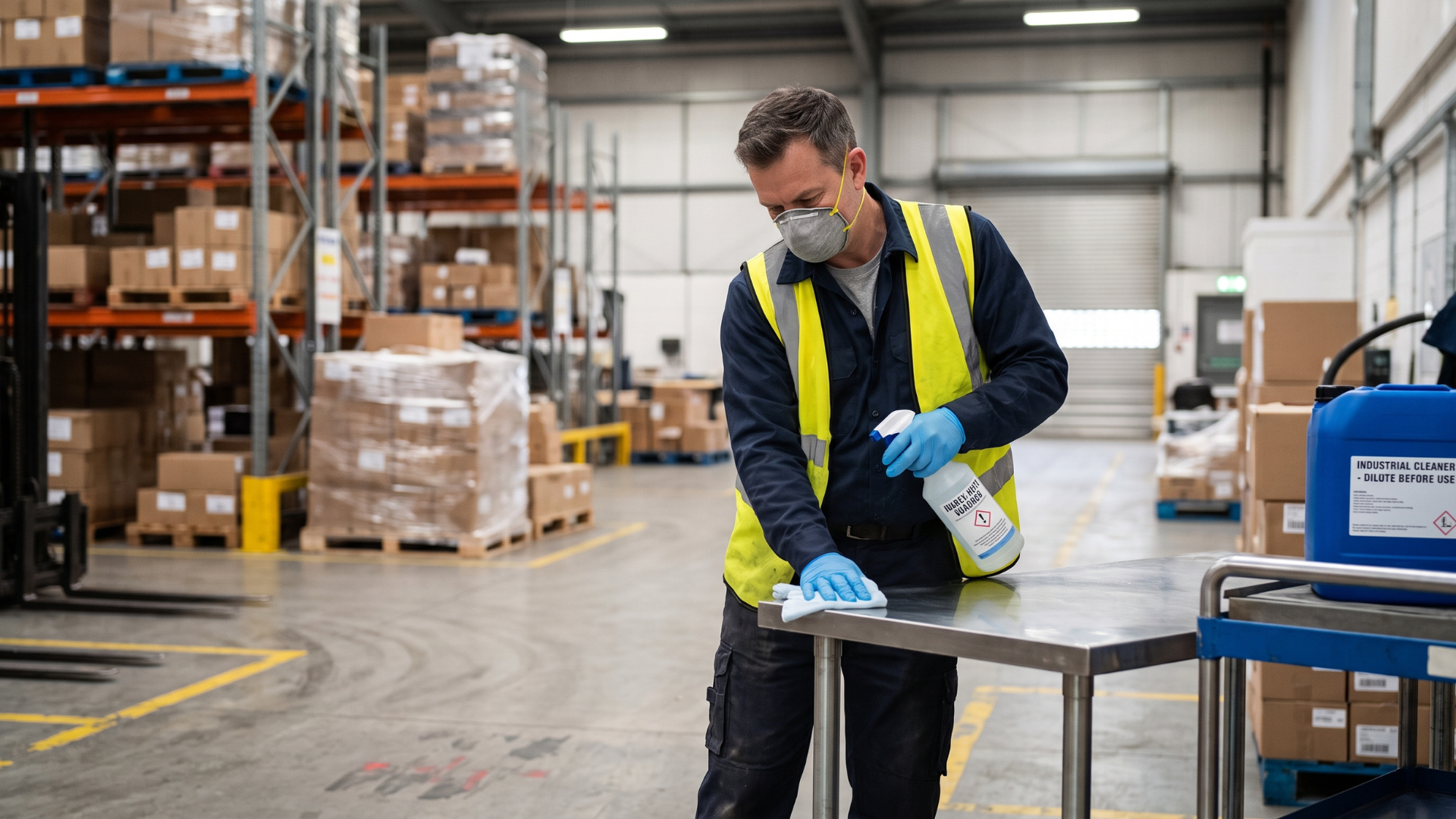
Cleaning often takes place inside warehouses, factories, maintenance areas, commercial kitchens, machine shops, and other enclosed spaces.
When a product releases volatile compounds during use, those vapors may accumulate if ventilation is limited. This can become particularly important when employees are working with cleaners regularly or using them across large surface areas.
Selecting lower-VOC or VOC-free products where appropriate may help reduce unnecessary airborne chemical exposure and support a more comfortable working environment.
Ventilation, however, remains important regardless of the product being used. Facility managers should always follow the manufacturer’s instructions and the precautions listed on the Safety Data Sheet.
Strong Cleaning Does Not Necessarily Require Harsh Solvents
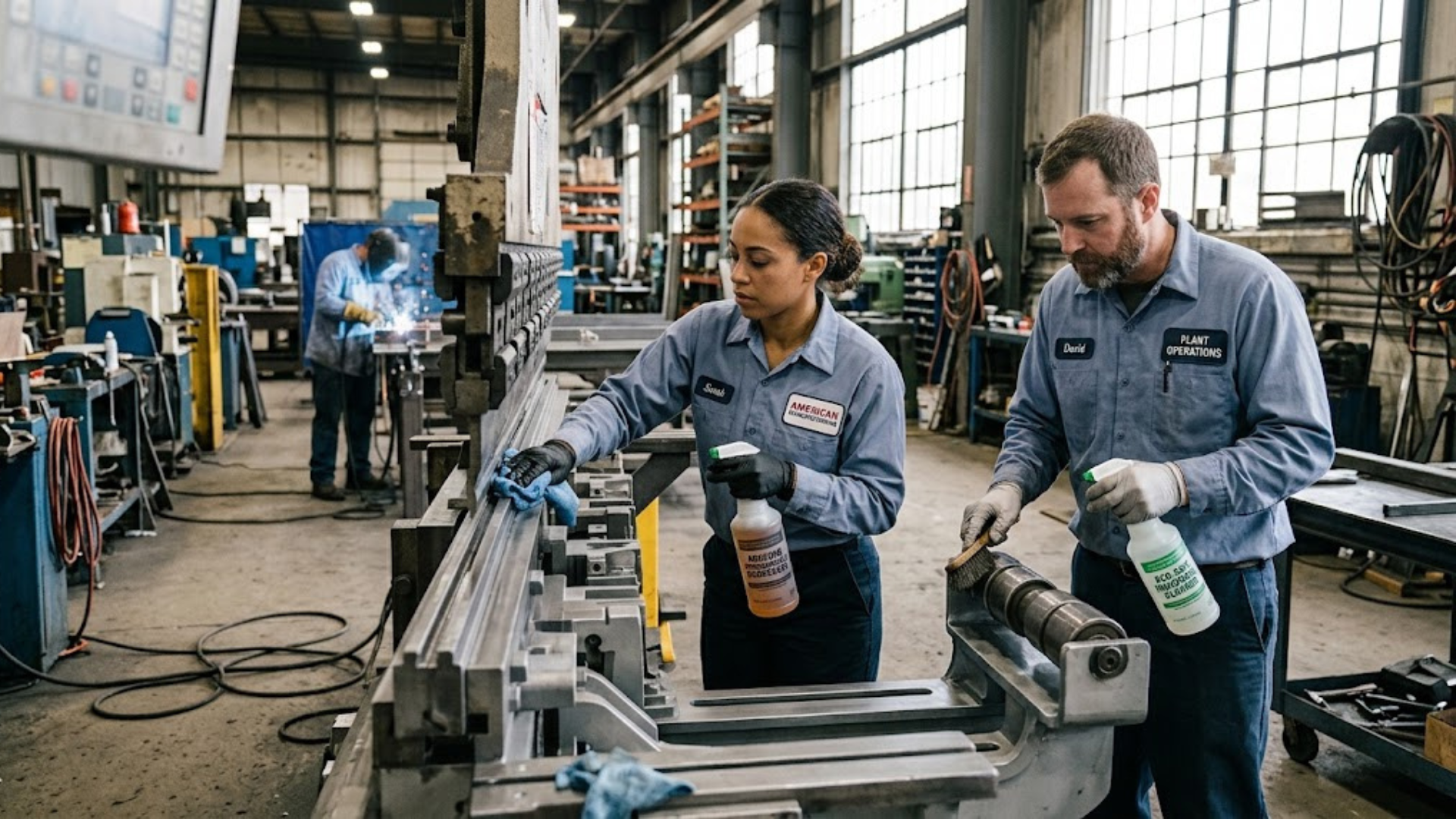
There is a persistent assumption that industrial cleaning products must rely on aggressive solvent chemistry to handle heavy grease and oil.
That is not always the case.
Modern cleaning chemistry can use surfactants, builders, alkaline components, and other technologies to loosen and remove difficult soils. Depending on the application, an aqueous cleaner or degreaser may provide the required performance without relying heavily on traditional solvent-based formulations.
The important question is not simply whether a product is “green” or “strong.” The product must be suitable for the contaminant, surface, equipment, and cleaning process involved.
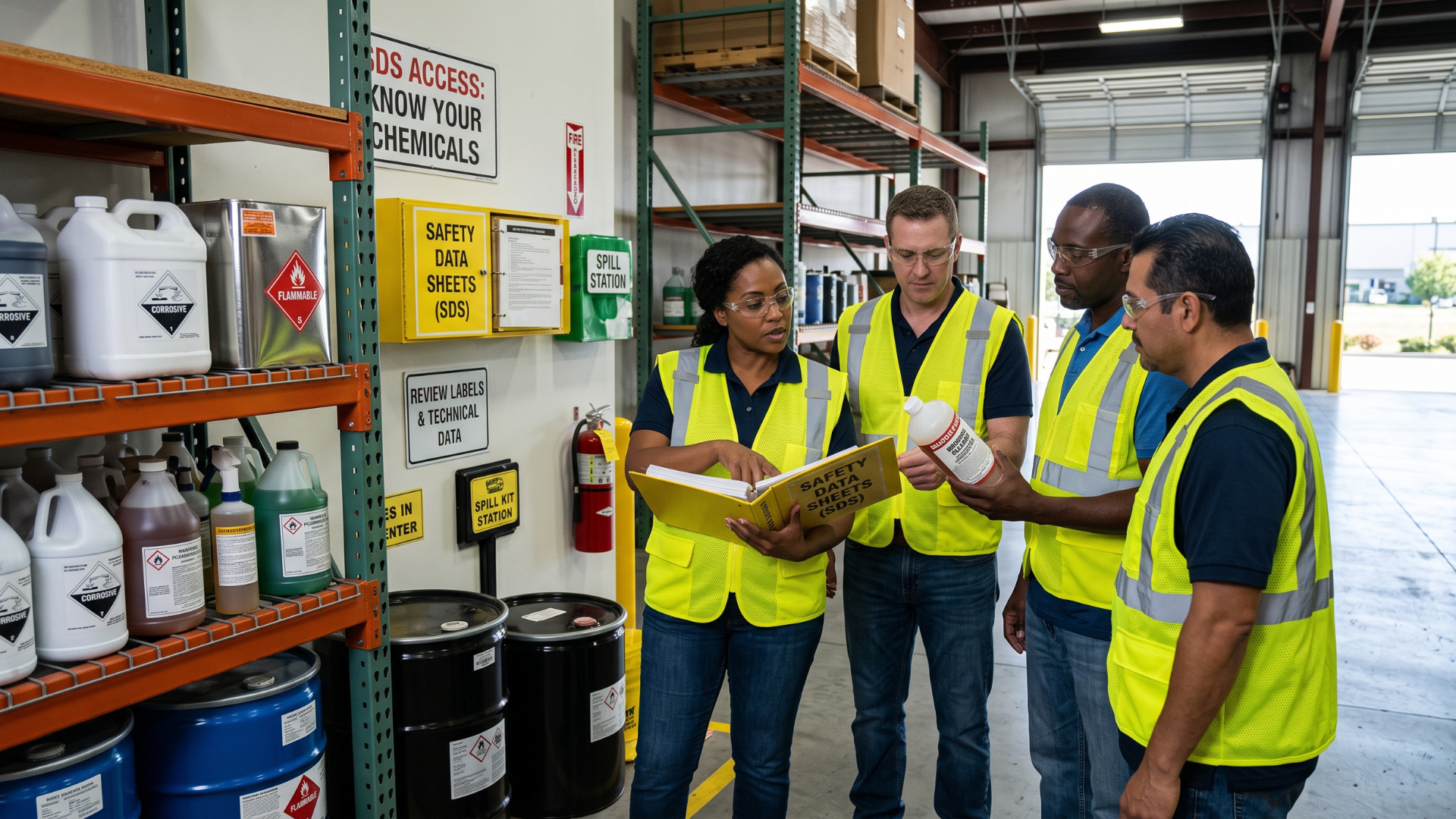
Review the Safety Data Sheet
The Safety Data Sheet, commonly called the SDS, is one of the most important resources available when evaluating an industrial cleaning product.
An SDS provides information about hazards, safe handling, personal protective equipment, storage, accidental release procedures, and other important considerations.
Facility managers should make sure employees can access current SDS information for the products being used in the workplace.
Product labels and technical information should also be reviewed carefully. Marketing terms alone do not provide enough information to determine whether a cleaner is appropriate for a particular industrial environment.
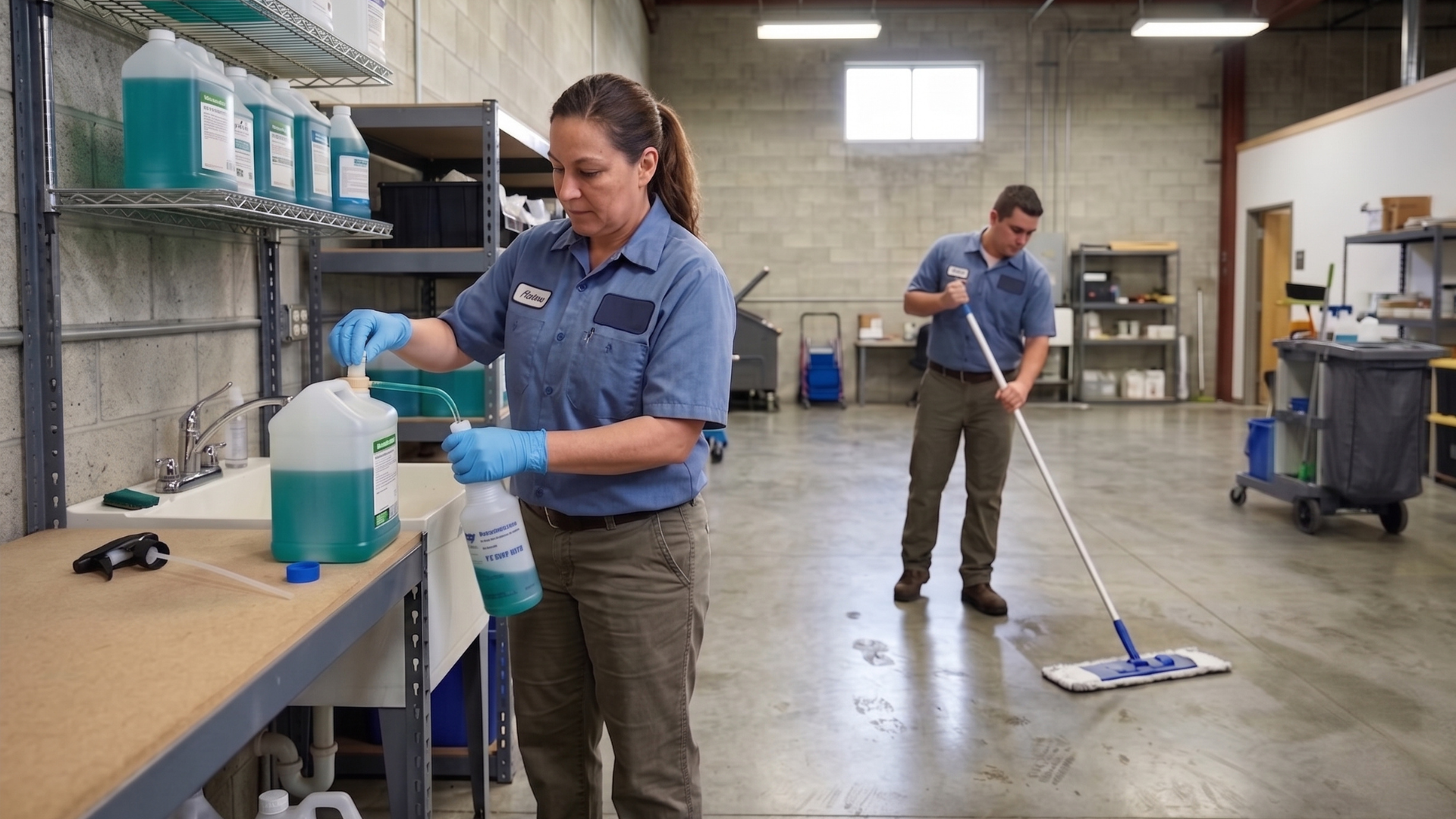
Consider the Entire Cleaning Process
VOC content is only one factor in chemical selection.
A facility should also consider cleaning performance, dilution requirements, surface compatibility, rinse requirements, worker exposure, waste generation, storage needs, and how frequently the product will be used.
A concentrated cleaner, for example, may reduce packaging and transportation requirements, but only if employees dilute it properly. A low-VOC formulation may support indoor-air goals, but it still needs to remove the specific oils or soils found in the facility.
Successful cleaning programs balance performance, safety, efficiency, and environmental considerations rather than focusing on a single characteristic.
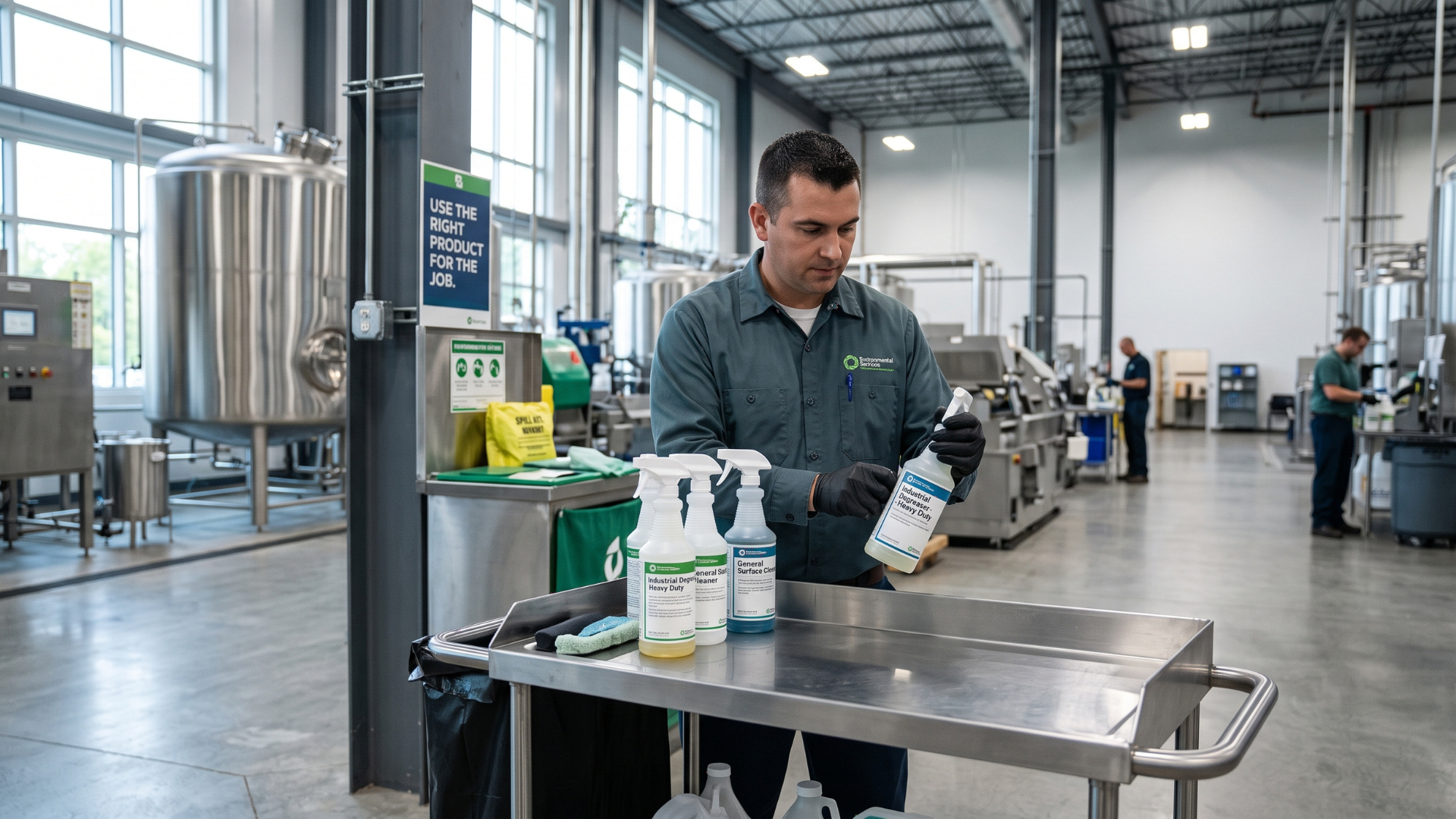
Lower-VOC Products Can Support Sustainability Goals
Many organizations are looking for ways to reduce the environmental impact of routine operations.
Cleaning-product selection can be one part of that strategy. Choosing effective lower-VOC, biodegradable, or concentrated products where appropriate may help facilities reduce certain emissions, minimize waste, and move away from unnecessarily aggressive chemicals.
These decisions can also complement broader sustainability initiatives involving energy use, water conservation, packaging reduction, and waste management.
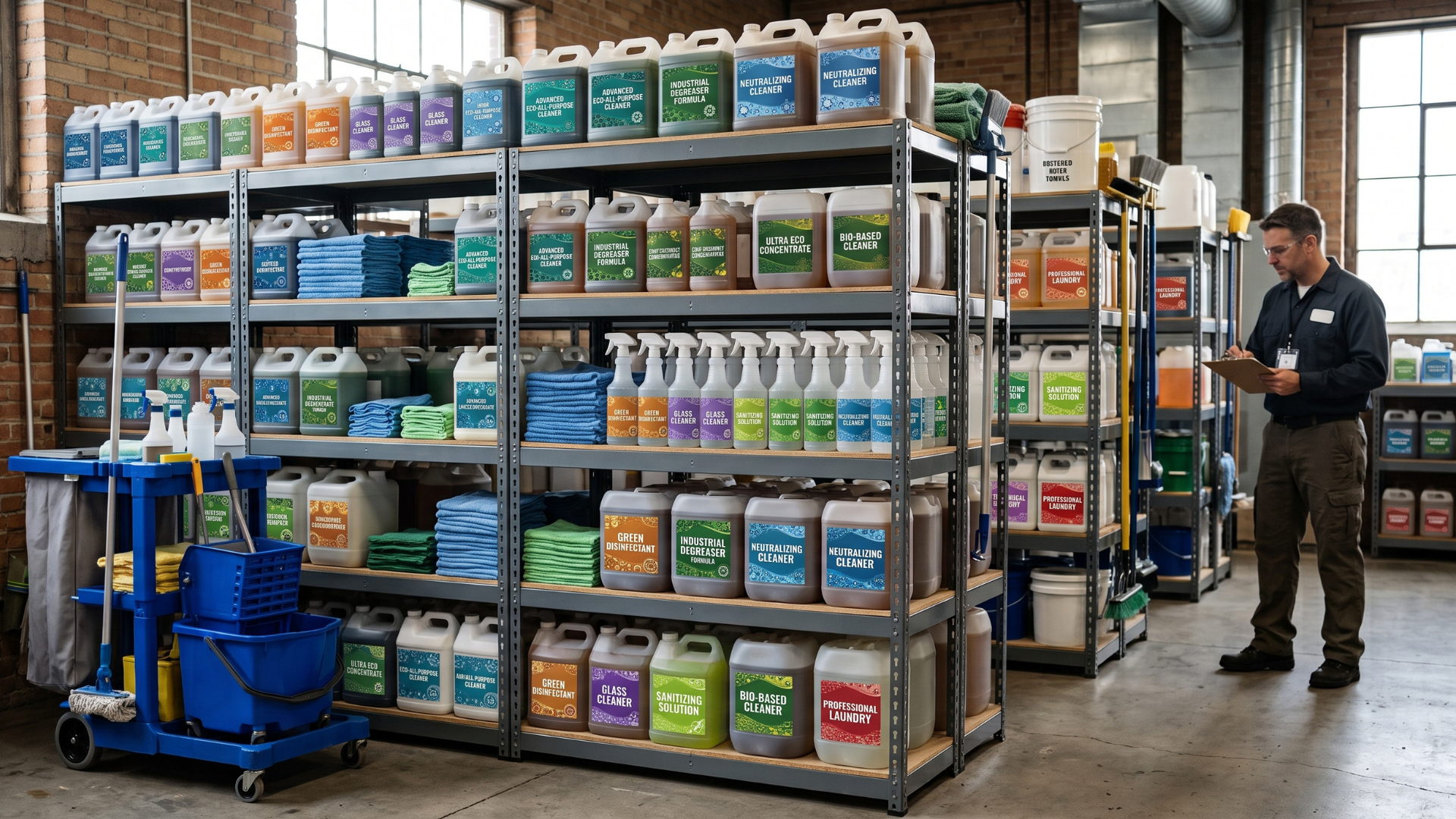
Choose Cleaning Chemistry for the Application
VOC content is an important consideration, but the best industrial cleaner is ultimately one that matches the job while meeting the facility’s performance and safety requirements.
Green Power Chemical supplies industrial cleaners, degreasers, and environmentally conscious cleaning products for demanding applications including manufacturing, automotive and mechanical operations, commercial floors, foodservice environments, warehouses, and other industrial facilities.
Whether the goal is reducing reliance on traditional solvents, improving worker safety, or developing a more sustainable cleaning program,
Green Power Chemical can help businesses identify products suited to their particular soils, surfaces, and operational needs.
You can contact us by phone at 800-932-9371, by emailing us at peter@greenpowerchemical.com, or through the contact form here on our site.