When Does a Shop Need a Dedicated Parts Washer?

September 3, 2026

Cleaning parts by hand may work when a shop only handles occasional repairs. As workload increases, however, manual cleaning can become slow, inconsistent, and difficult to manage.


A dedicated parts washer can help automotive shops, diesel repair facilities, machine shops, manufacturers, and maintenance departments handle contaminated components more efficiently. The right time to invest often comes down to volume, labor, contamination levels, consistency, and the types of parts being cleaned.
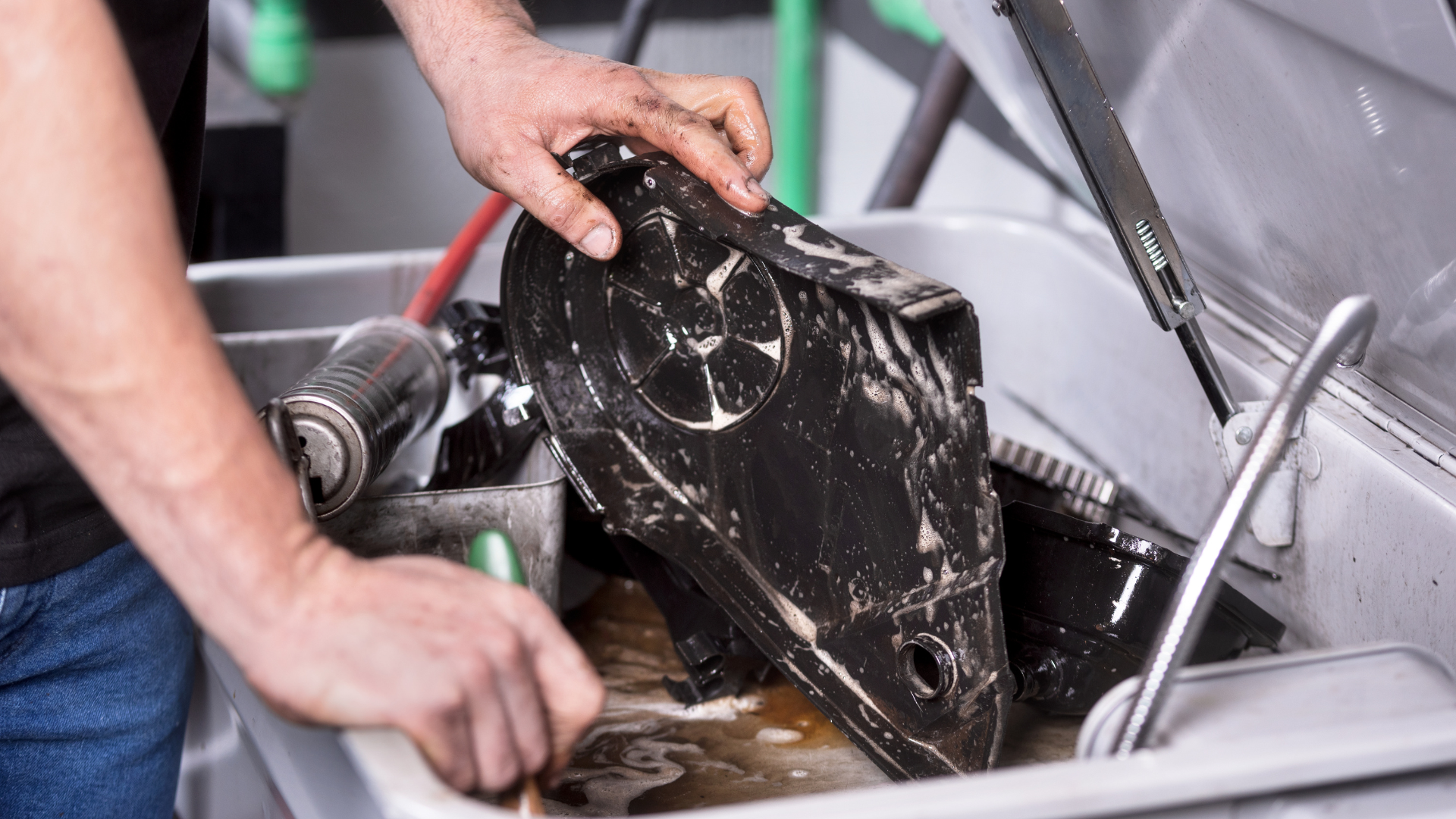
Hands washing a black pan in a kitchen sink with running water.

Manual Cleaning Starts Taking Too Much Time

One of the clearest signs is labor.


If technicians are regularly spending significant time scrubbing oily, greasy, or carbon-covered components by hand, that cleaning process may be taking skilled employees away from inspection, repair, assembly, or production work.


A dedicated parts washer can automate much of that repetitive work. Instead of cleaning every surface manually, technicians can load appropriate components into the machine and focus on other tasks while the cleaning cycle runs.


For a busy operation, those saved minutes can add up quickly.
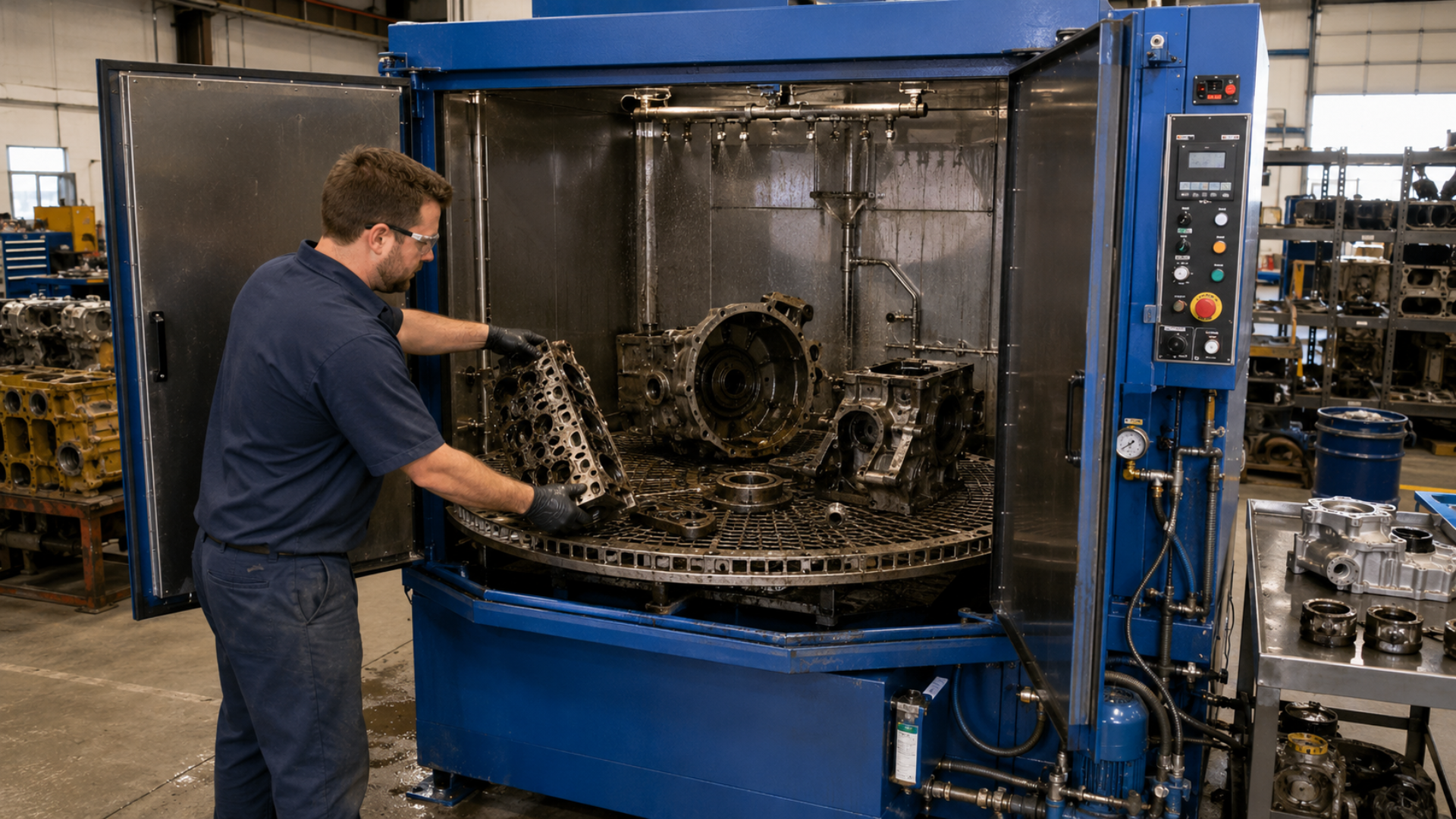
Worker cleaning a large blue industrial machine in a factory workshop

Parts Arrive With Heavy Contamination

Not every component needs the same level of cleaning.


Shops dealing with heavy grease, lubricants, machining residue, dirt, and other industrial soils may find that basic spray-and-wipe methods are no longer practical.


A parts washer creates a more controlled cleaning process, allowing the equipment, cleaning chemistry, temperature, and cycle to work together against difficult contamination.


This can be particularly useful for diesel, automotive, manufacturing, and heavy-equipment environments where parts frequently arrive coated in substantial buildup.
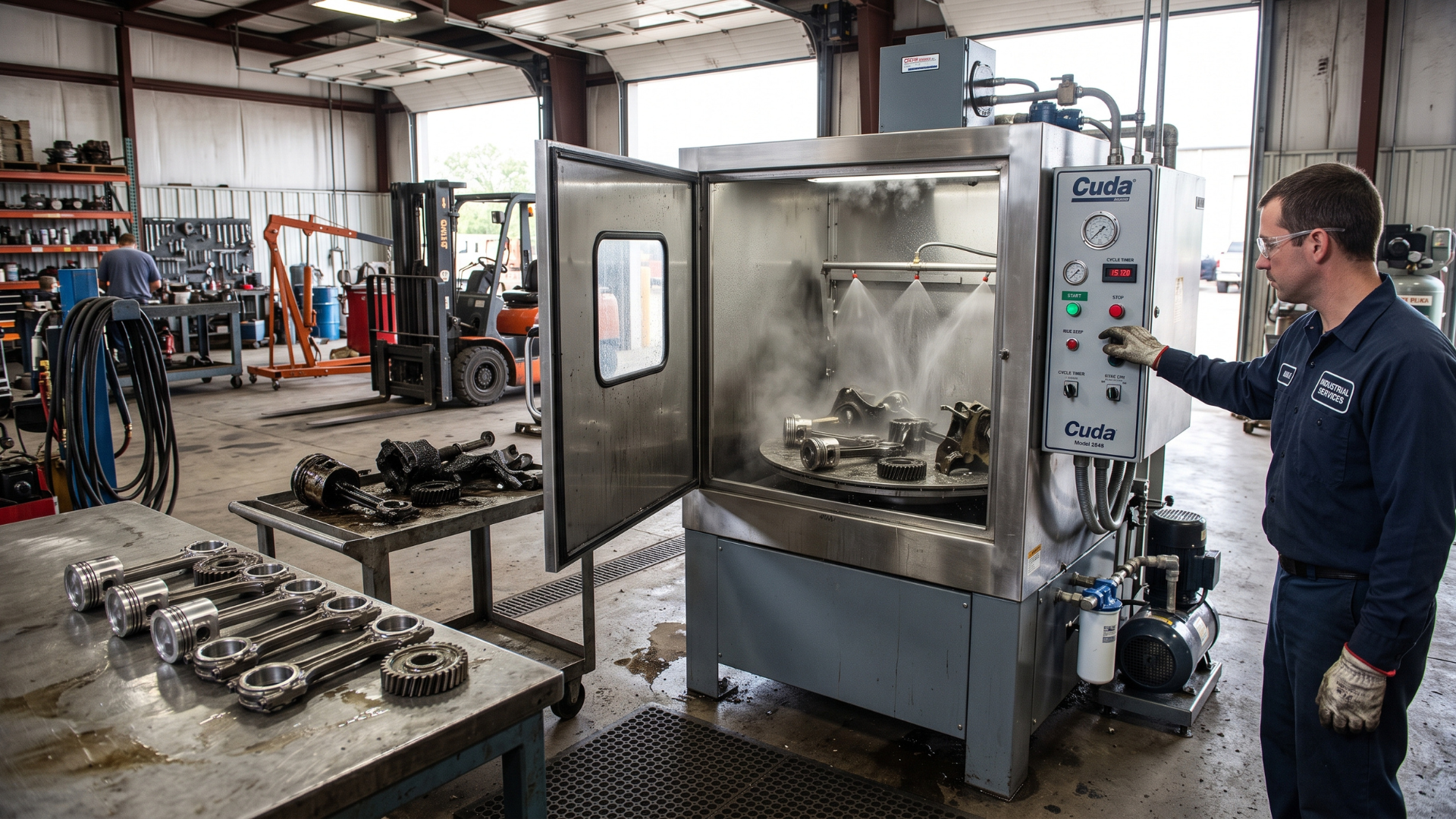
Worker operating a large industrial machine in a metal workshop, with machined parts nearby.

Cleaning Needs to Be More Consistent

Hand cleaning depends heavily on the person doing the work.


One technician may scrub a component thoroughly while another spends less time on the same task. When clean parts are important for inspection, repair, or production, that variation can become a problem.


Automated parts washing provides a repeatable process. Similar components can be cleaned using the same general cycle rather than relying entirely on manual technique.


Consistency can be especially valuable in facilities handling a high volume of repetitive maintenance or manufacturing work.
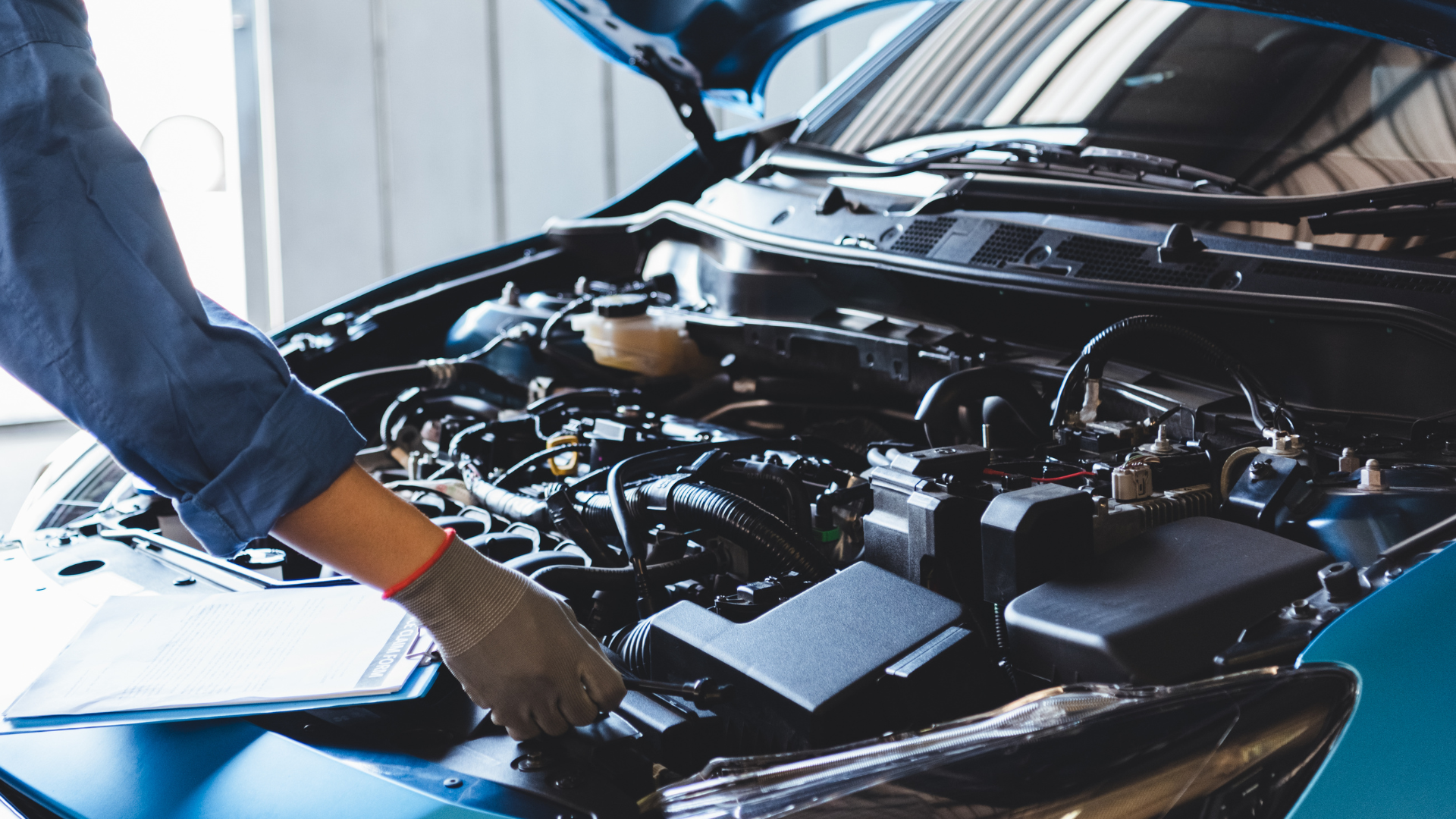
Mechanic inspecting an open car engine in a garage, with a gloved hand over the hood.

Dirt Is Making Inspection More Difficult

Cleaning is often an important step before diagnosis.


Heavy grease and residue can hide cracks, wear, damaged surfaces, loose components, or other conditions a technician needs to see clearly.


A thoroughly cleaned part is easier to evaluate.


For repair operations, this can help technicians separate contamination from actual component damage before deciding what should be repaired or replaced. In manufacturing environments, cleaner components can also make visual inspection and downstream work easier.

Hands using a blue cloth to work on a car engine in a garage

The Shop Is Using Too Many Disposable Cleaning Materials

Manual parts cleaning can consume large quantities of rags, brushes, absorbent materials, aerosol products, and other supplies.


A dedicated aqueous parts-washing system may allow a facility to create a more centralized and reusable cleaning process, depending on the application and equipment.


That does not eliminate the need for proper chemical management or waste handling, but it can reduce reliance on repeated disposable cleaning methods and support a more organized maintenance area.
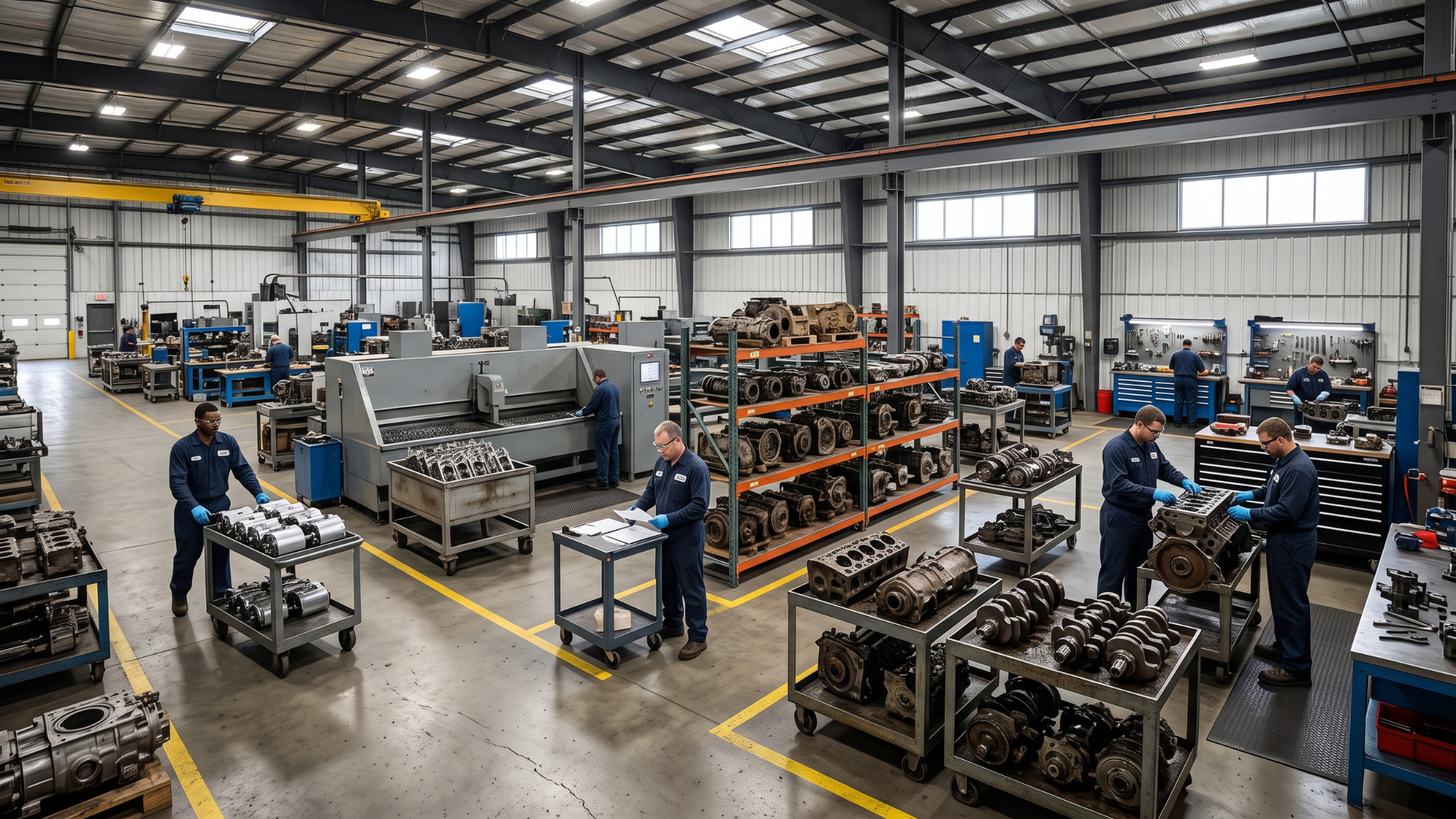
Large factory floor with workers, machinery, and stacked engine parts under bright industrial lighting

Space and Volume Justify Dedicated Equipment

A parts washer should match the operation.


A shop that cleans one small component occasionally may not need dedicated machinery. A facility cleaning batches of components every day has a very different requirement.


Managers should consider how many parts are cleaned, their dimensions and weight, the contaminants involved, available floor space, desired throughput, and how the equipment will fit into the existing workflow.


Choosing an oversized machine can waste space and resources, while an undersized unit may create a new bottleneck.
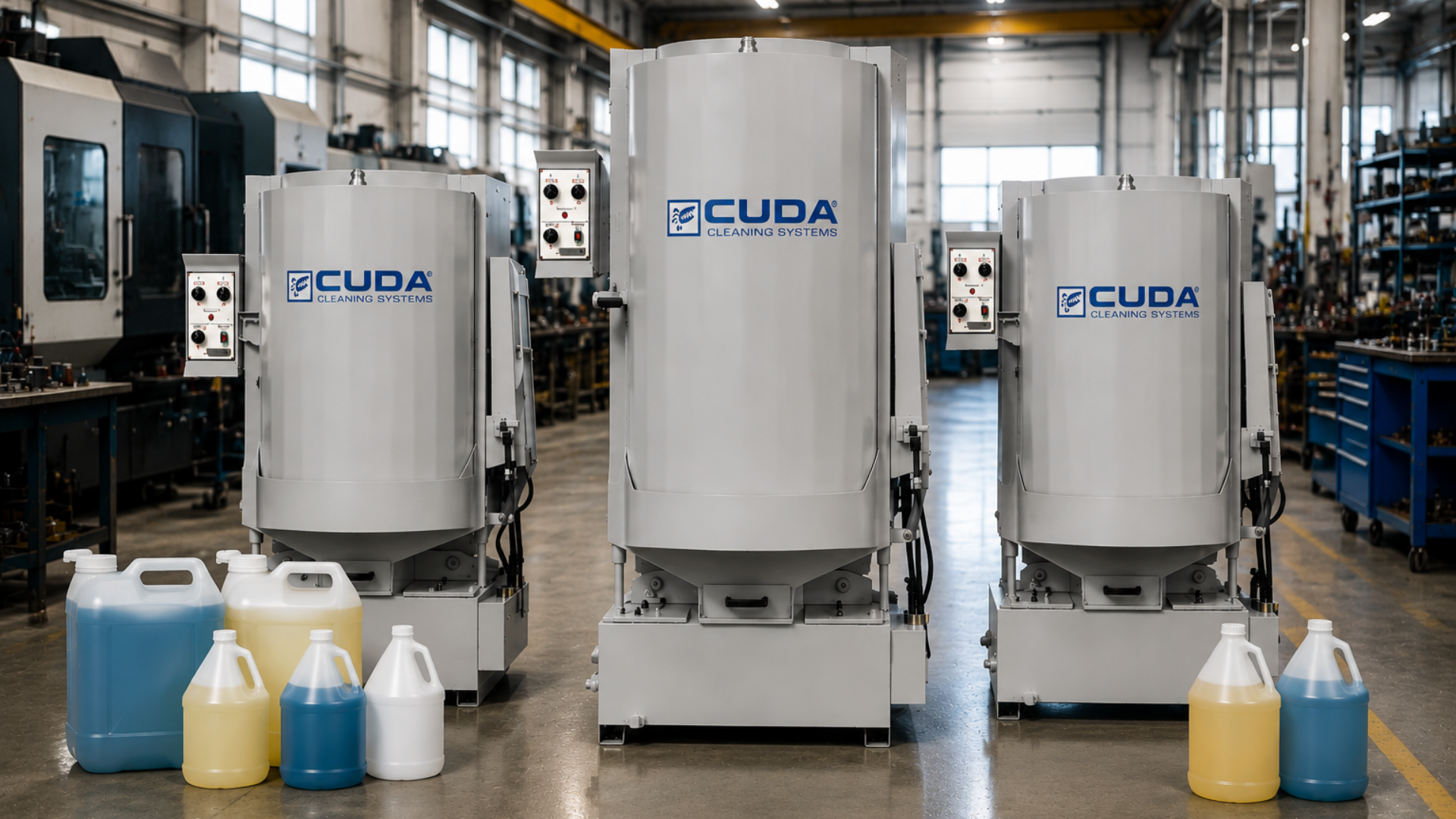
Three industrial tanks in a factory with colored liquid jugs on the floor

Choosing the Right Parts Washer Matters

Not all parts washers are designed for the same work.


Green Power Chemical supplies CUDA Parts Washers, which are designed for demanding parts-cleaning applications. Different configurations can accommodate varying component sizes, workloads, and cleaning requirements.


The cleaning chemistry is equally important. A parts washer performs best when the cleaner is matched to both the soil and the materials being cleaned.


Factors such as concentration, temperature, contamination load, and maintenance of the wash solution can all influence results.
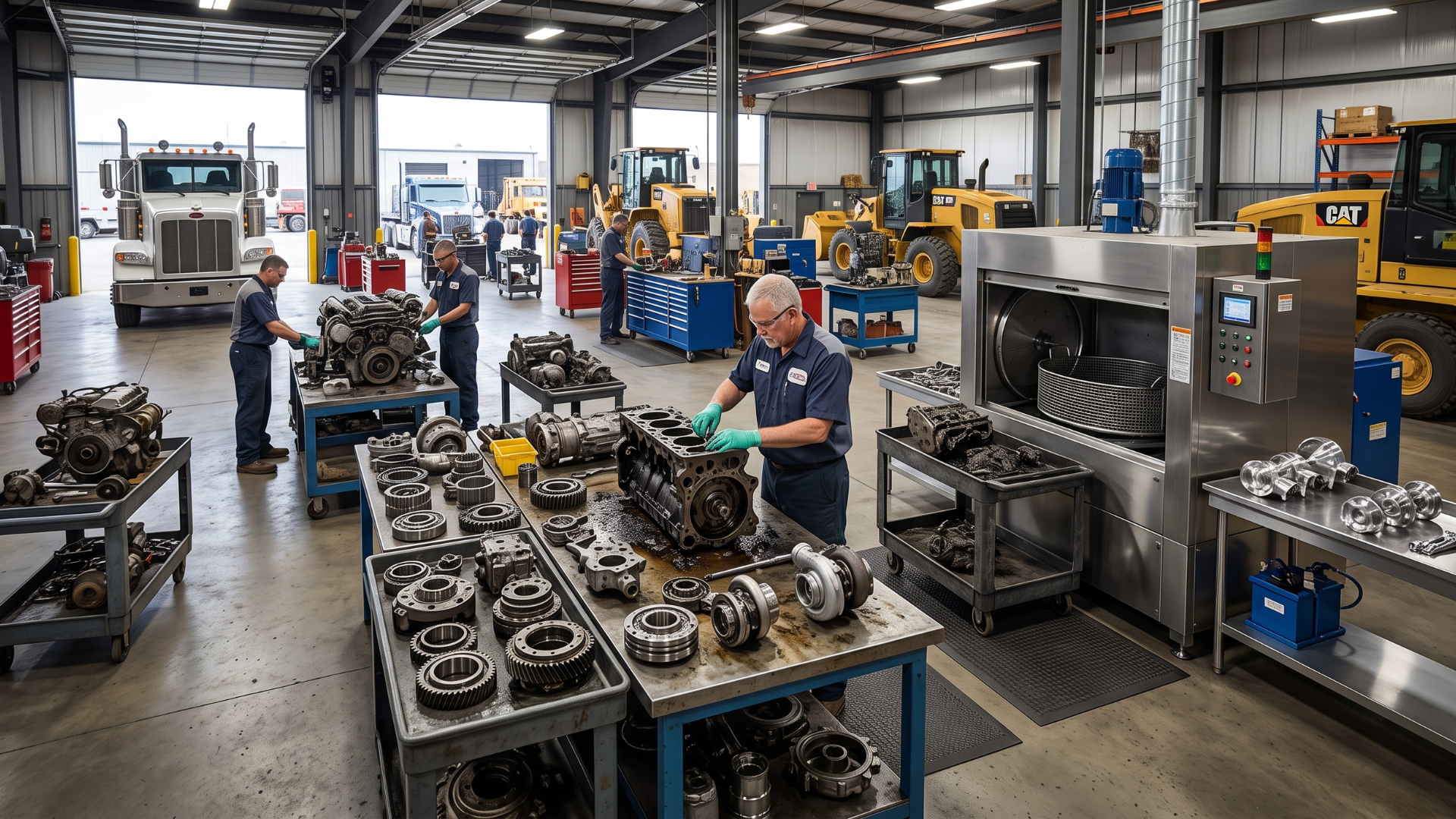
Workers assembling engine parts in a busy factory workshop with carts, machinery, and metal components.

Know When Manual Cleaning Has Become the Bottleneck

A dedicated parts washer begins to make sense when manual cleaning consistently consumes labor, slows repairs, produces uneven results, or struggles with the level of contamination entering the shop.


Green Power Chemical supplies industrial cleaners, degreasers, and CUDA Parts Washers for automotive, diesel, manufacturing, maintenance, aerospace, and other demanding applications. If parts cleaning has become a repetitive bottleneck in your operation, contact Green Power Chemical to discuss equipment and cleaning chemistry suited to your parts, soils, and workflow.

You can contact us by phone at 800-932-9371, by emailing us at peter@greenpowerchemical.com, or through the contact form here on our site.
September 10, 2026
The word “ biodegradable ” appears on many cleaning products, but it can be misunderstood. In industrial cleaning, the term generally refers to ingredients that can be broken down by microorganisms over time under suitable environmental conditions.  That does not automatically mean a product is harmless, safe for every surface, or appropriate to discharge anywhere. For facility managers, maintenance teams, manufacturers, and repair operations, biodegradable cleaning products should be evaluated based on both environmental considerations and actual cleaning performance.
August 26, 2026
Industrial and commercial cleaning products have to do more than remove grease, grime, oils, and other difficult soils. Facility managers also need to consider how those products affect workers, indoor air quality, storage practices, environmental goals, and day-to-day operations.  One factor that often comes up during product selection is VOC content. VOCs, or volatile organic compounds, are chemicals that can evaporate into the air during product use. Understanding what they are and why they matter can help facilities make more informed decisions when selecting cleaners and degreasers.
August 19, 2026
Industrial cleaning is essential for keeping equipment, floors, work areas, and production environments functioning properly. At the same time, the products and processes used for cleaning can affect worker exposure, waste generation, packaging, water use, and overall environmental impact.  A more sustainable industrial cleaning program does not mean sacrificing performance. It means choosing products and procedures that are effective for the job while also reducing unnecessary chemical use and waste. Green Power Chemical provides industrial cleaners, degreasers, and parts-washing solutions designed to help facilities balance cleaning performance with safety and sustainability goals.
August 12, 2026
For years, industrial cleaning was often associated with harsh solvents, strong fumes, and aggressive chemical formulations. That created a common assumption: if a cleaner is environmentally responsible, it must be less effective. Modern industrial chemistry has changed that equation. Today, many green cleaning products are formulated specifically to remove grease, oil, carbon deposits, food residue, and other difficult soils without relying on some of the more hazardous ingredients traditionally used in heavy-duty cleaning.  Green Power Chemical develops environmentally responsible industrial cleaners and degreasers designed for demanding commercial and industrial applications. These products are used in environments such as manufacturing facilities, warehouses, machine shops, restaurants, municipal operations, and aerospace settings where cleaning performance is essential.
August 6, 2026
Clean public spaces contribute to safer communities, protect valuable infrastructure, and leave a positive impression on residents and visitors alike. From municipal buildings and public works facilities to parks, transit centers, and maintenance garages, government agencies and facility managers rely on effective cleaning products to keep these environments functional and well maintained. Increasingly, there is also a growing emphasis on selecting products that deliver strong cleaning performance while supporting environmental responsibility.  Green Power Chemical develops environmentally responsible industrial cleaning products that help organizations maintain clean facilities and equipment without compromising on performance. By choosing advanced green cleaning solutions, municipalities, contractors, and commercial facilities can support both operational efficiency and sustainability goals.
July 29, 2026
Keeping equipment clean is about much more than appearance. In manufacturing plants, aerospace facilities, heavy equipment shops, automotive repair centers, and industrial maintenance departments, clean components contribute to accurate inspections, efficient repairs, and dependable equipment performance. As grease, oil, carbon deposits, machining fluids, and other contaminants accumulate, routine maintenance becomes more difficult and the risk of overlooking wear or damage increases.  CUDA Parts Washers provide an efficient solution for businesses that routinely clean mechanical components. Designed for demanding industrial environments, these machines combine powerful cleaning performance with user-friendly operation, helping organizations improve productivity while supporting high standards of cleanliness throughout their maintenance operations.
July 22, 2026
In manufacturing and industrial operations, every minute of unplanned downtime has the potential to affect productivity, delivery schedules, labor efficiency, and profitability. While equipment failures are often associated with worn components or mechanical issues, contamination from grease, oil, dirt, carbon buildup, and industrial residue can also interfere with machinery performance over time.  Implementing a scheduled industrial cleaning program is one of the most effective ways to help keep equipment operating efficiently while creating a cleaner, safer work environment for employees.
July 15, 2026
Sustainability has become an important consideration for organizations of every size. Whether managing a manufacturing plant, warehouse, commercial kitchen, aerospace facility, or municipal property, businesses are increasingly looking for ways to reduce their environmental impact while maintaining high operational standards.  One area that is often overlooked is facility maintenance. The cleaning products and maintenance practices used every day can play an important role in supporting broader sustainability initiatives without sacrificing cleaning performance. At Green Power Chemical, we believe that environmentally responsible cleaning solutions can help organizations maintain cleaner facilities while contributing to long-term sustainability goals.
July 8, 2026
Environmental, Social, and Governance ( ESG ) initiatives have become an important consideration for organizations across many industries. Manufacturers, warehouses, municipalities, restaurants, and commercial facilities are increasingly evaluating how their daily operations affect the environment while looking for practical ways to reduce their overall impact.  While discussions about sustainability often focus on energy consumption or waste reduction, one operational area that is sometimes overlooked is the selection of cleaning products. Choosing environmentally responsible cleaners and degreasers can play a meaningful role in supporting broader ESG objectives while maintaining the high standards of cleanliness and performance businesses require.
July 1, 2026
In the aerospace industry , precision is essential. Every component, from large structural assemblies to small machined parts, is manufactured to exacting specifications. Because these parts often operate in demanding environments, maintaining their quality throughout the manufacturing and assembly process is critical. One important—but sometimes overlooked—part of that process is precision cleaning .  Before components move to the next stage of manufacturing, assembly, coating, inspection, or installation, they often need to be thoroughly cleaned to remove oils, machining fluids, grease, and other residues. Precision cleaning helps manufacturers maintain consistent quality while supporting the performance of aerospace components.