Why Old Grease Becomes Harder to Remove Over Time
Why Old Grease Becomes Harder to Remove Over Time
Fresh grease and oil are usually easier to remove than buildup that has been sitting on equipment, floors, or parts for weeks or months. As greasy soils age, they can collect dust, carbon, metal particles, and other contaminants while also changing chemically through exposure to heat, air, and repeated use.
The result is a thicker, more stubborn layer that may require a different cleaning approach than a fresh spill.
Grease Can Oxidize and Harden
Over time, oils and greases can react with oxygen and heat through a process called oxidation.
This process can make the residue thicker, tackier, and more resistant to ordinary cleaning. In industrial settings, the effect may be especially noticeable around engines, machinery, bearings, production equipment, and areas exposed to elevated temperatures.
What began as a soft oily film can gradually become a hardened deposit that clings tightly to the surface.
That is one reason delaying cleaning can make the job significantly more difficult later.
Dirt and Debris Become Embedded
Once it is on a surface, it can trap dust, grit, metal particles, carbon, and other contaminants from the surrounding environment.
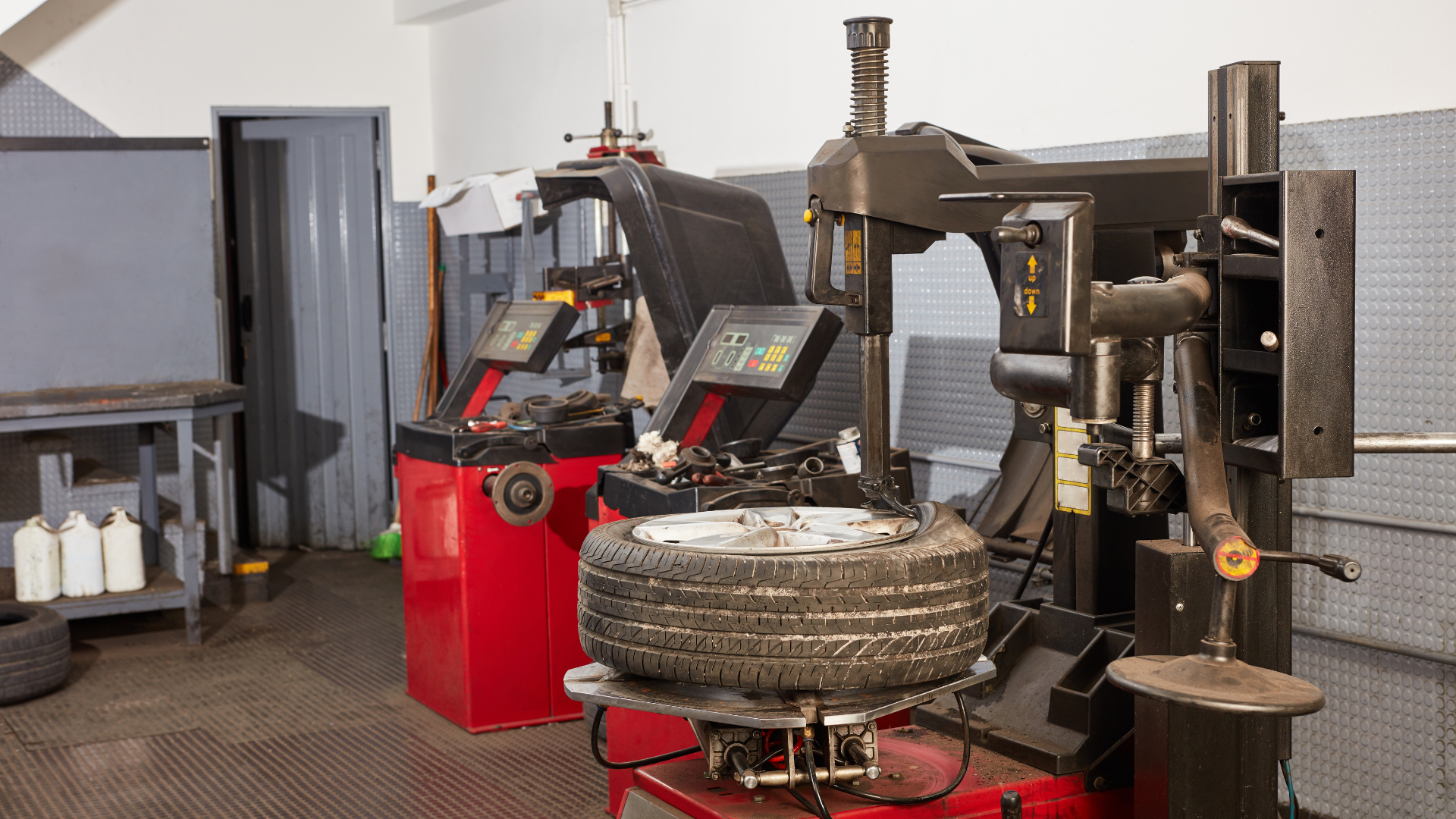
In a machine shop, repair facility, warehouse, or manufacturing plant, that mixture can become dense and abrasive.
The buildup may no longer behave like simple oil. It can become a layered soil made up of several different materials, which may require stronger agitation, more contact time, or a cleaner selected specifically for heavy grease.
Agitation Can Improve Results
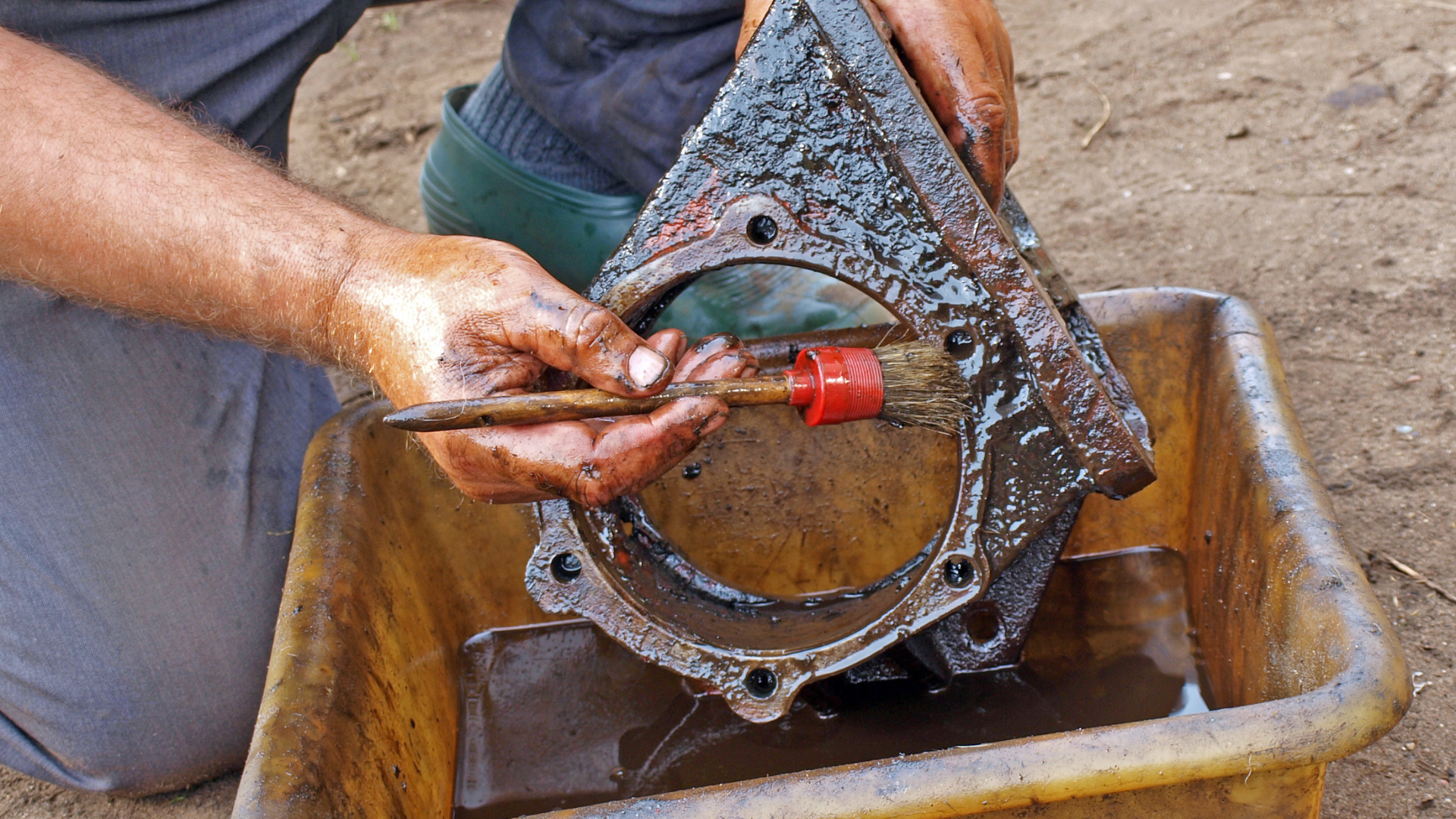
Mechanical action can help break up stubborn grease.
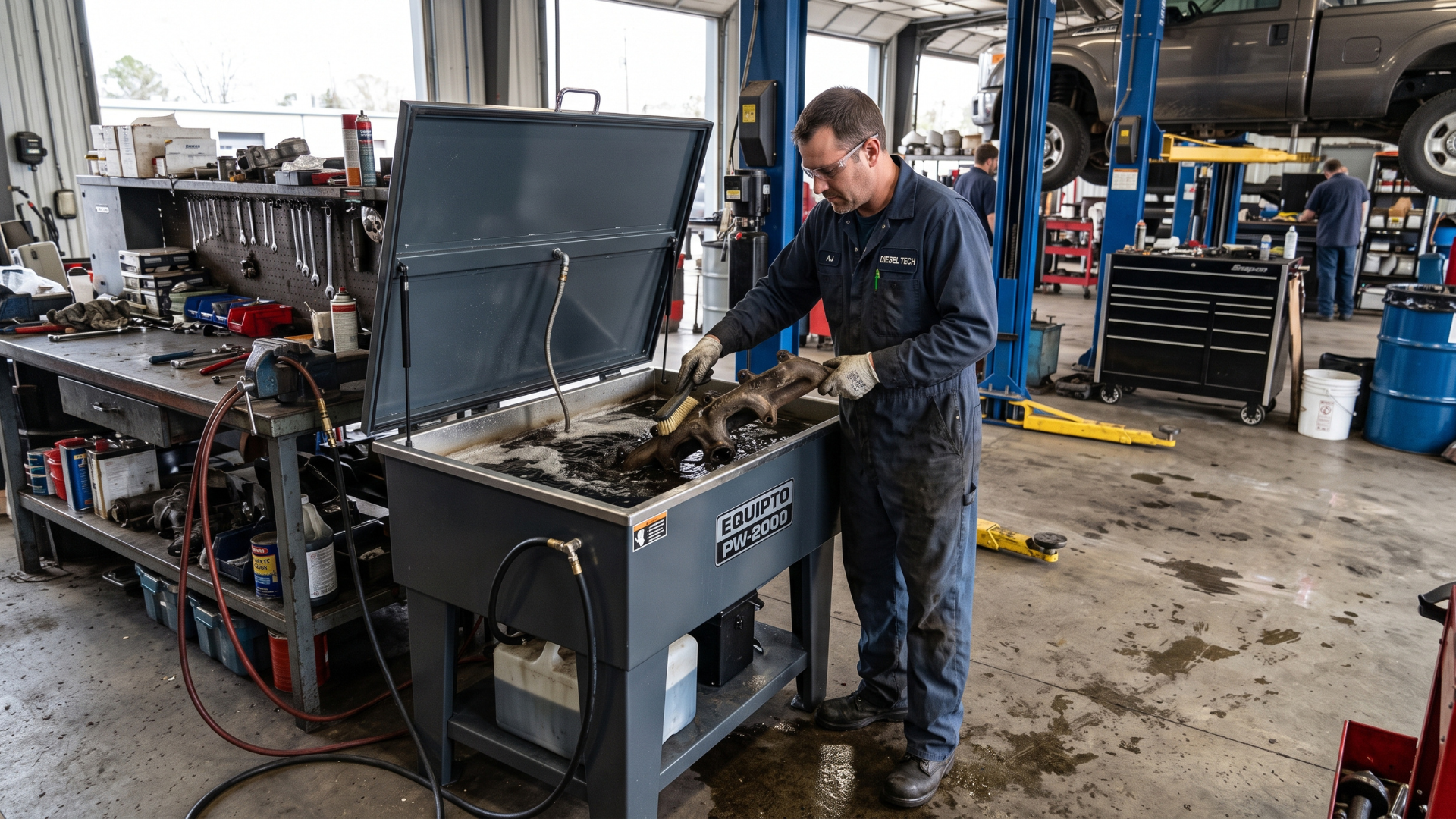
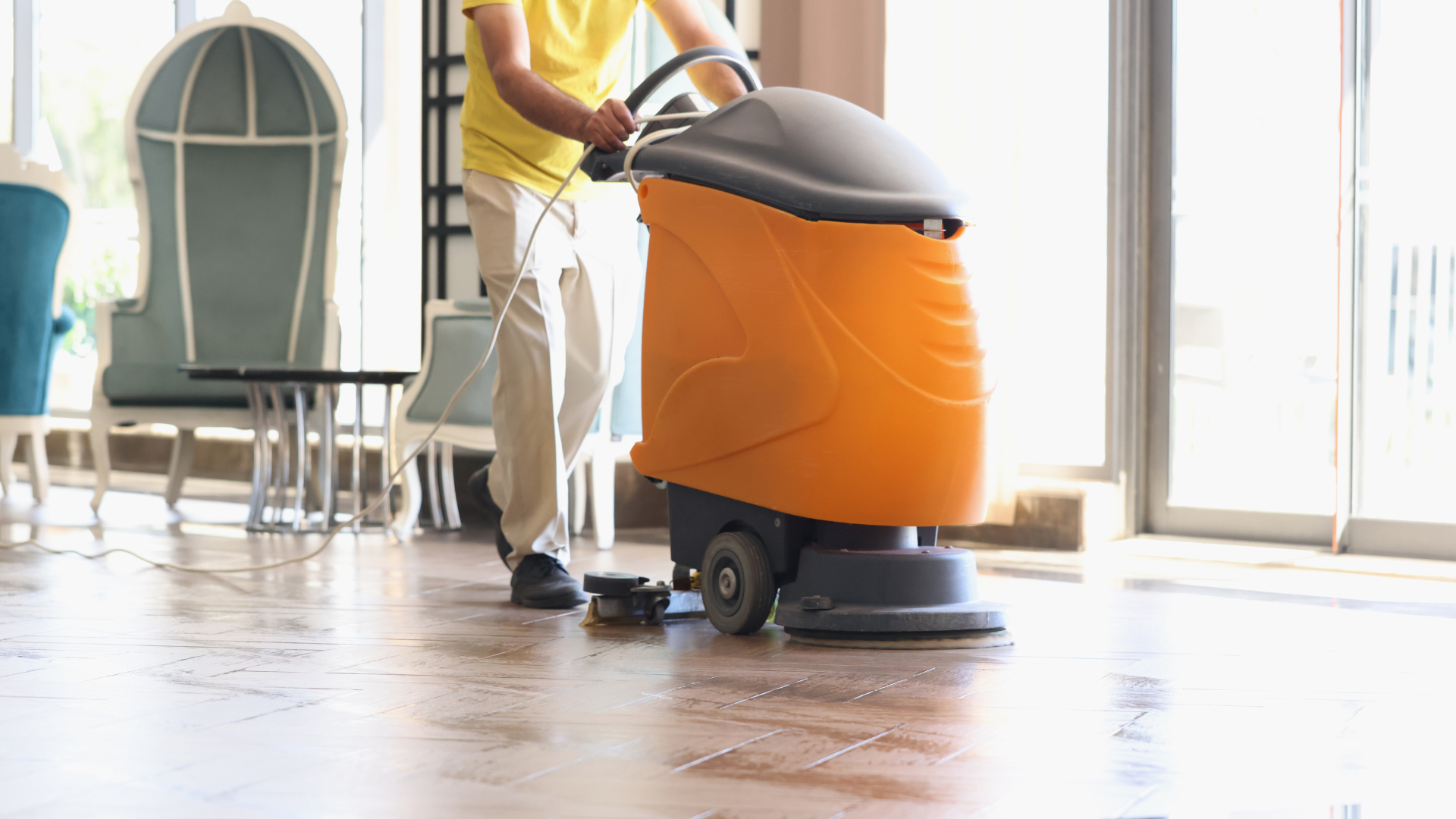
Brushing, scrubbing, spraying, or using a parts washer can expose more of the deposit to the cleaning solution and help separate the soil from the surface.
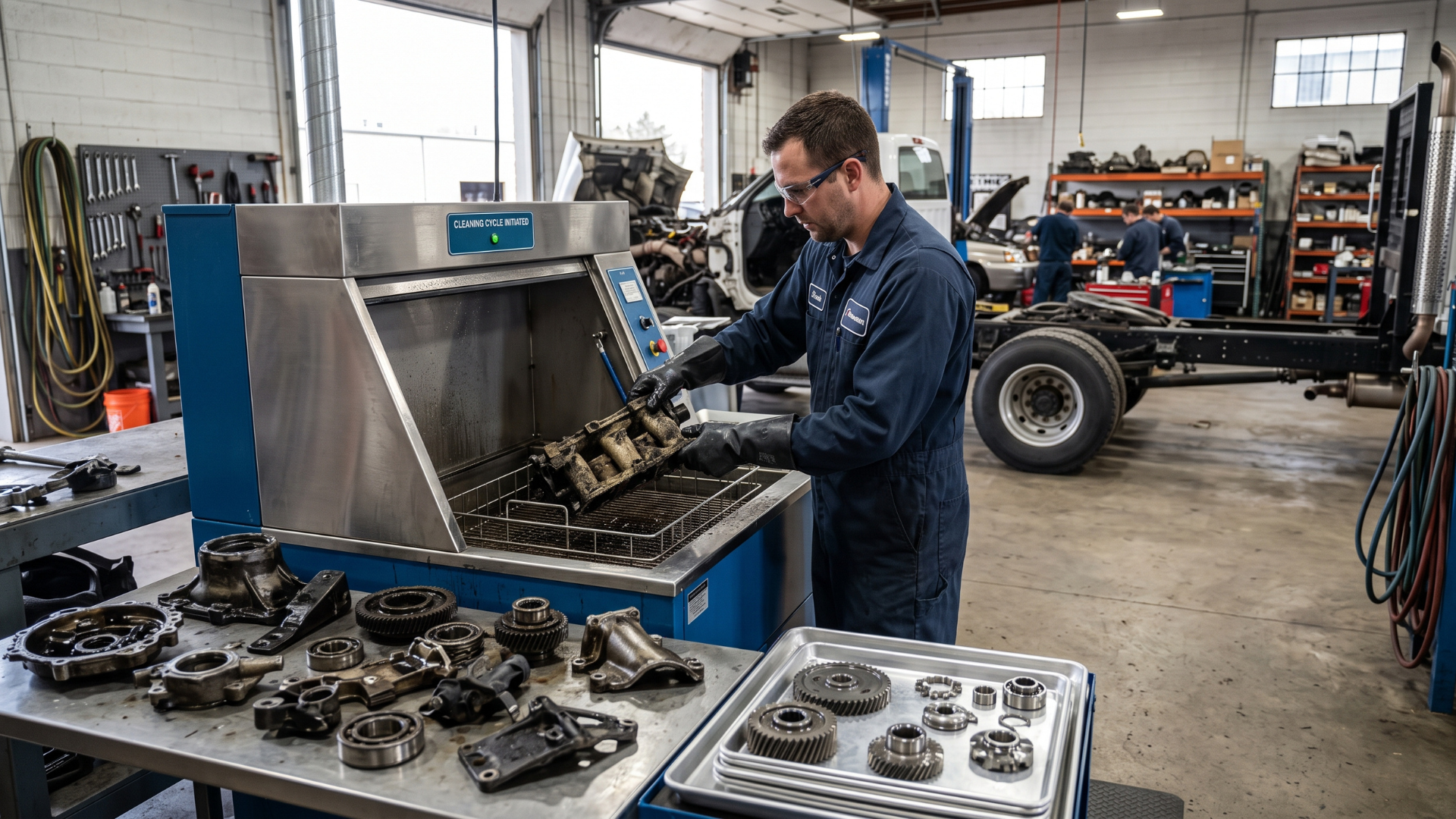
This is one reason automated parts washers can be useful in shops that regularly clean greasy components.
Instead of relying only on chemical strength, the cleaning process combines chemistry, time, temperature, and mechanical action.
Stronger Is Not Always Better
When old grease does not come off easily, the instinct may be to use a more concentrated cleaner.
That is not always the best approach.
Excessive concentration can waste product, increase rinsing requirements, leave residue, or create unnecessary handling concerns without improving results proportionally.
A better strategy is to match the cleaner to the soil and surface, use the recommended dilution, allow proper contact time, and add agitation where appropriate.
Surface Type Matters
Aged grease behaves differently depending on where it is located.
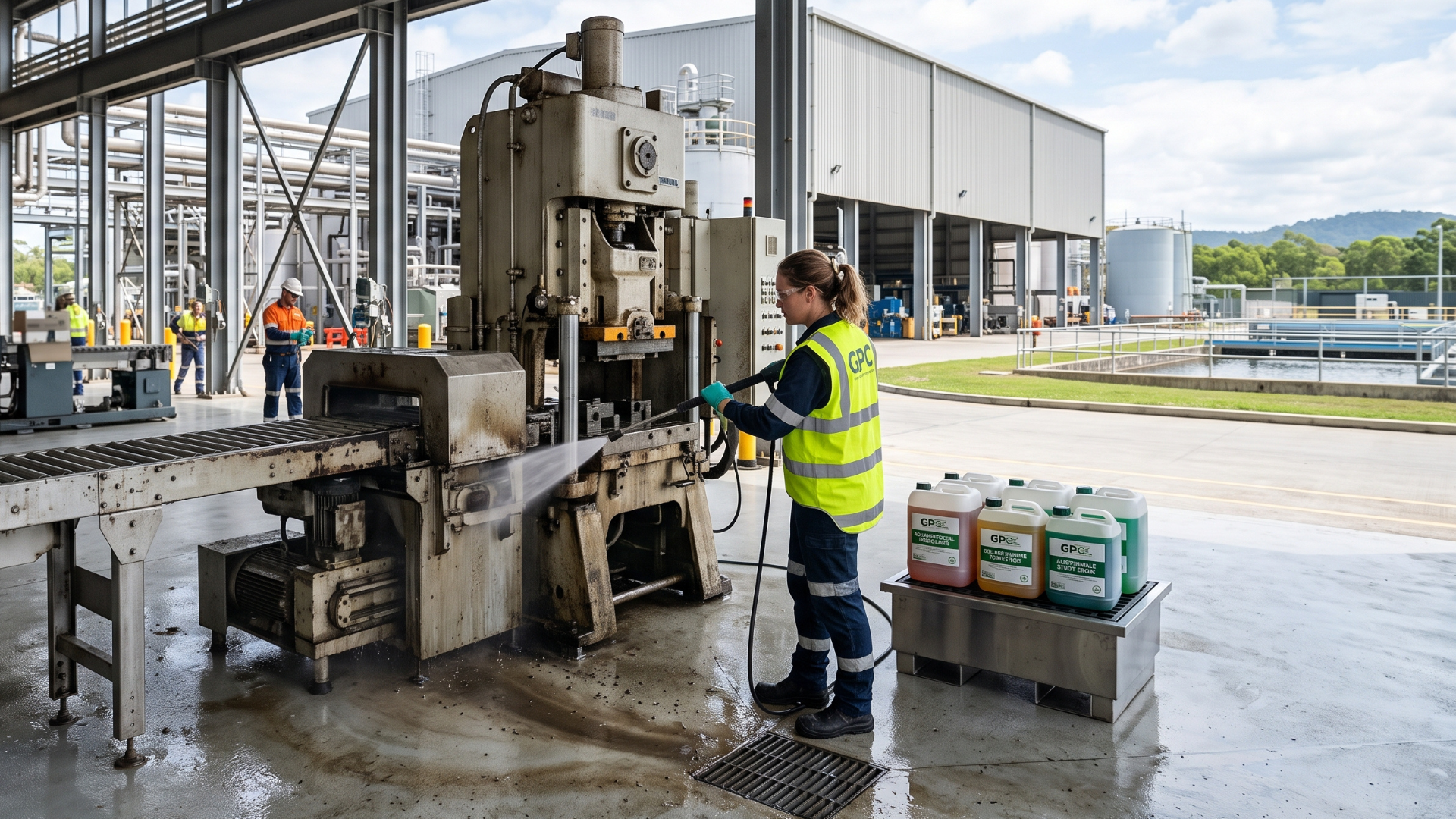
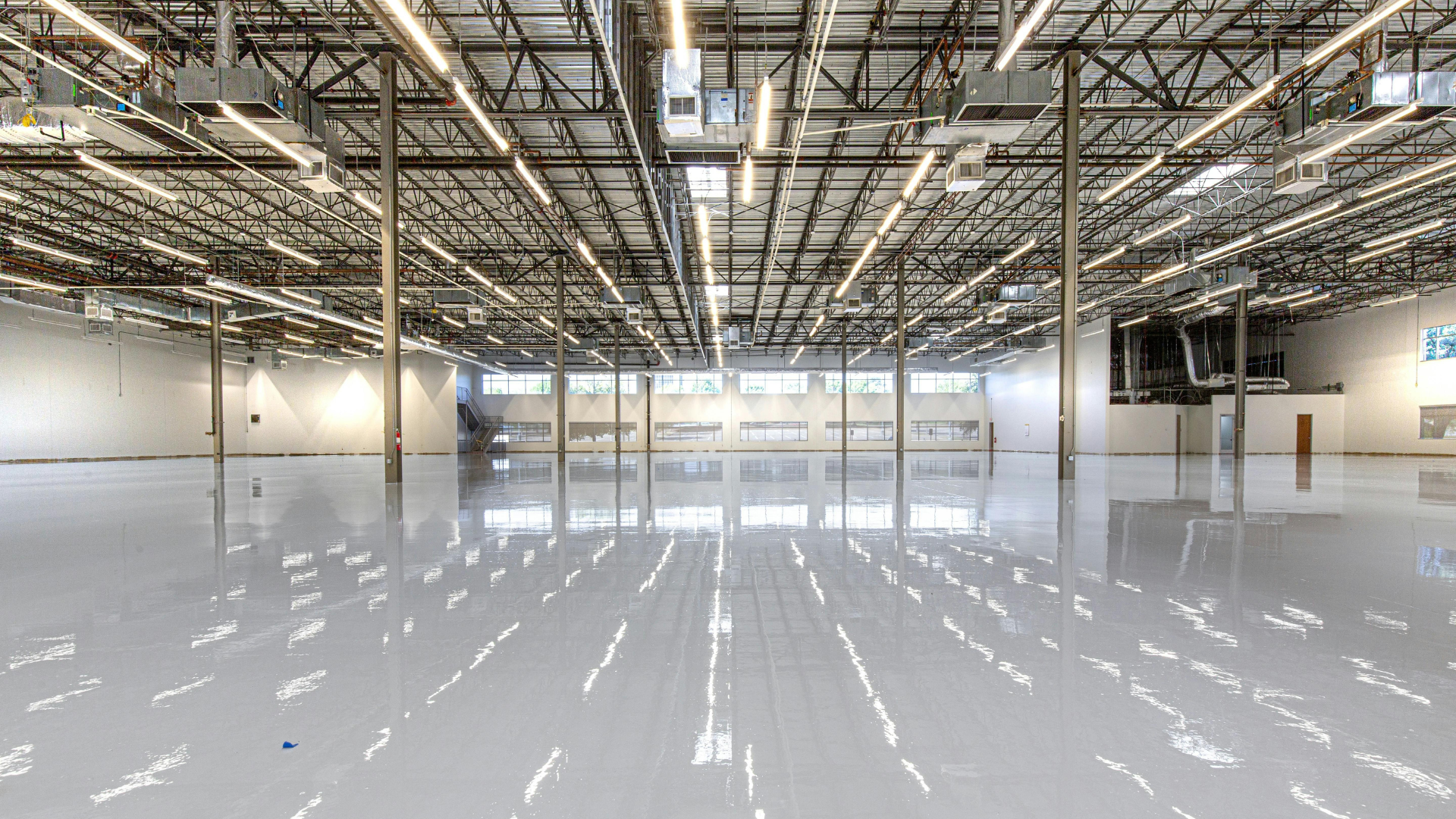
Smooth metal parts may respond well to aqueous parts washing. Textured concrete may require a different cleaning process. Painted surfaces, plastics, and sensitive metals may have their own compatibility considerations.
Before using any industrial degreaser, the product should be evaluated for the surface being cleaned.
This helps prevent damage while improving cleaning performance.
Preventing Heavy Buildup Is Easier
One of the most effective ways to deal with old grease is to keep it from becoming old grease in the first place.
Regular cleaning removes contamination before it has time to harden, collect debris, or become deeply embedded.
For maintenance teams, establishing a consistent schedule can reduce the amount of chemical, labor, and time needed for each cleaning cycle.
Match the Cleaning Process to the Soil
Old grease becomes difficult to remove because it changes over time. Oxidation, heat, dirt, carbon, and repeated buildup can turn a simple oily film into a stubborn industrial soil.
Green Power Chemical supplies industrial cleaners, degreasers, and parts-washing solutions for demanding commercial and industrial applications. From heavy equipment and machine parts to concrete floors and maintenance areas, the right combination of chemistry, dilution, contact time, and agitation can make difficult grease removal more efficient.
If your facility is dealing with hardened or recurring grease buildup, contact Green Power Chemical to discuss cleaning products and equipment matched to the soil, surface, and cleaning process.
You can contact us by phone at 800-932-9371, by emailing us at peter@greenpowerchemical.com, or through the contact form here on our site.