How Switching to Safer Cleaning Chemistry Supports Worker Retention
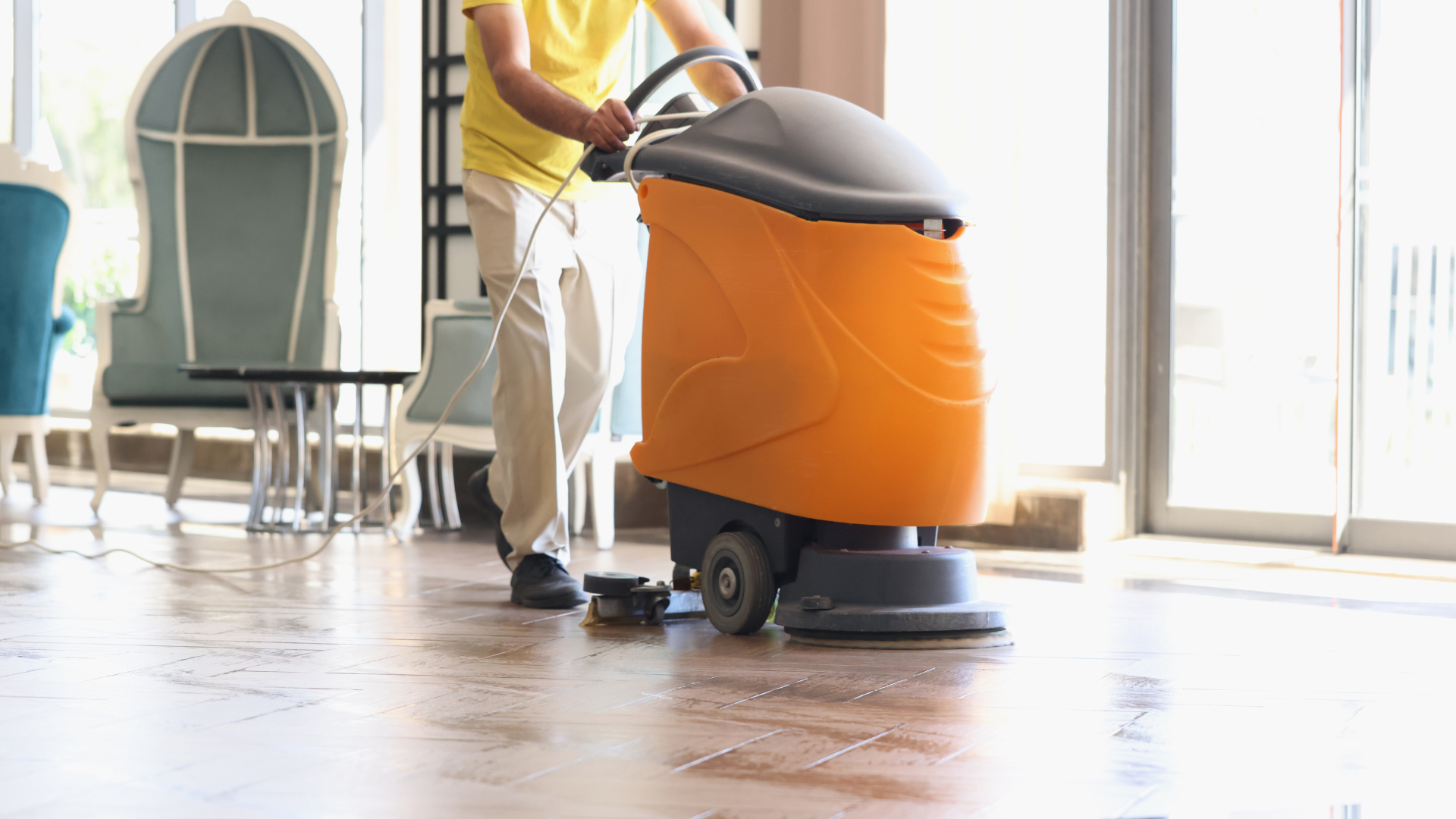
Employee retention is influenced by many factors, including compensation, management, and workplace culture. One factor that is often overlooked is the physical environment in which employees work every day. In industrial and commercial settings, the cleaning products used throughout a facility play a direct role in worker comfort, safety, and overall job satisfaction. Over time, the choice of cleaning chemistry can affect not only compliance but also workforce stability.

The Connection Between Workplace Conditions and Retention
Employees are more likely to remain with an organization when they feel safe and respected in their work environment. Exposure to harsh chemicals, strong odors, and irritating fumes can create discomfort and concern, even when products are technically compliant with regulations.
When workers regularly experience headaches, respiratory irritation, or skin discomfort associated with cleaning agents, morale can suffer. These conditions may not always lead to immediate injury, but they can contribute to dissatisfaction and increased turnover over time.
Reducing Daily Chemical Exposure
Traditional industrial solvents and cleaners often rely on aggressive chemical formulations to achieve results quickly. While effective, these products may introduce unnecessary exposure risks for employees who work around them daily.
Safer cleaning chemistry is designed to reduce volatility, harsh fumes, and unnecessary toxicity while still delivering effective cleaning performance. Lower exposure levels can improve day to day comfort for employees, especially in enclosed or frequently cleaned areas.
When workers notice that their employer is making thoughtful choices about the products used in the facility, it reinforces a sense of care and responsibility.

Improving Air Quality in the Workplace
Indoor air quality has a direct impact on how employees feel during their shifts. According to research published in the International Journal of Indoor Environment and Health:
“It has now been shown beyond reasonable doubt that poor indoor air quality in buildings can decrease productivity in addition to causing visitors to express dissatisfaction.”
Cleaning products that release strong odors or volatile compounds can linger in the air long after use, particularly in manufacturing areas, warehouses, and maintenance spaces.
Using safer cleaning products can help reduce lingering odors and airborne irritants. Cleaner air contributes to a more comfortable working environment and may reduce complaints related to headaches or respiratory discomfort. Over time, this improvement supports a more positive workplace experience.

Supporting Safety Culture
Retention is closely tied to safety culture. Employees are more likely to stay with organizations that demonstrate a proactive approach to risk reduction. Selecting cleaning chemistry that prioritizes safety aligns with broader safety initiatives and reinforces consistent messaging.
When cleaning products are easier to handle, require fewer precautions, and present lower exposure risks, training becomes simpler and compliance improves. This clarity helps employees feel more confident in their roles and reduces anxiety around daily tasks.
Simplifying Training and Communication
Complex handling requirements and frequent product changes can create confusion. Employees may feel uncertain about proper use or concerned about making mistakes. Safer, standardized cleaning products simplify training and reduce the likelihood of misuse.
Clear instructions, consistent performance, and reduced hazard classifications make it easier for employees to follow procedures correctly. Confidence in procedures contributes to job satisfaction and reduces stress.
Demonstrating Long Term Commitment to Employees
Retention is often driven by whether employees believe their employer is invested in their long term well being. Choices that prioritize safer materials signal that the organization is thinking beyond minimum requirements.
Switching to safer cleaning chemistry is a visible and practical step that employees can see and experience. It shows that management is willing to invest in improvements that may not be immediately visible on a balance sheet but matter to the people doing the work.
Aligning Safety, Compliance, and Retention
Safer cleaning products can support regulatory compliance while also contributing to a healthier workplace. This alignment reduces friction between operational goals and employee needs.
Facilities that proactively reduce exposure risks may find it easier to attract and retain skilled workers in competitive labor markets.
A Practical Step Toward Workforce Stability
While no single change guarantees improved retention, creating a safer and more comfortable work environment is a meaningful step. Cleaning chemistry is a foundational part of that environment.
At Green Power Chemical, we focus on developing cleaning solutions that balance performance, safety, and operational practicality. By helping facilities reduce unnecessary chemical exposure, we support workplaces where employees feel valued, protected, and more likely to stay for the long term.
You can contact us by phone at 800-932-9371, by emailing us at peter@greenpowerchemical.com, or through the contact form here on our site.