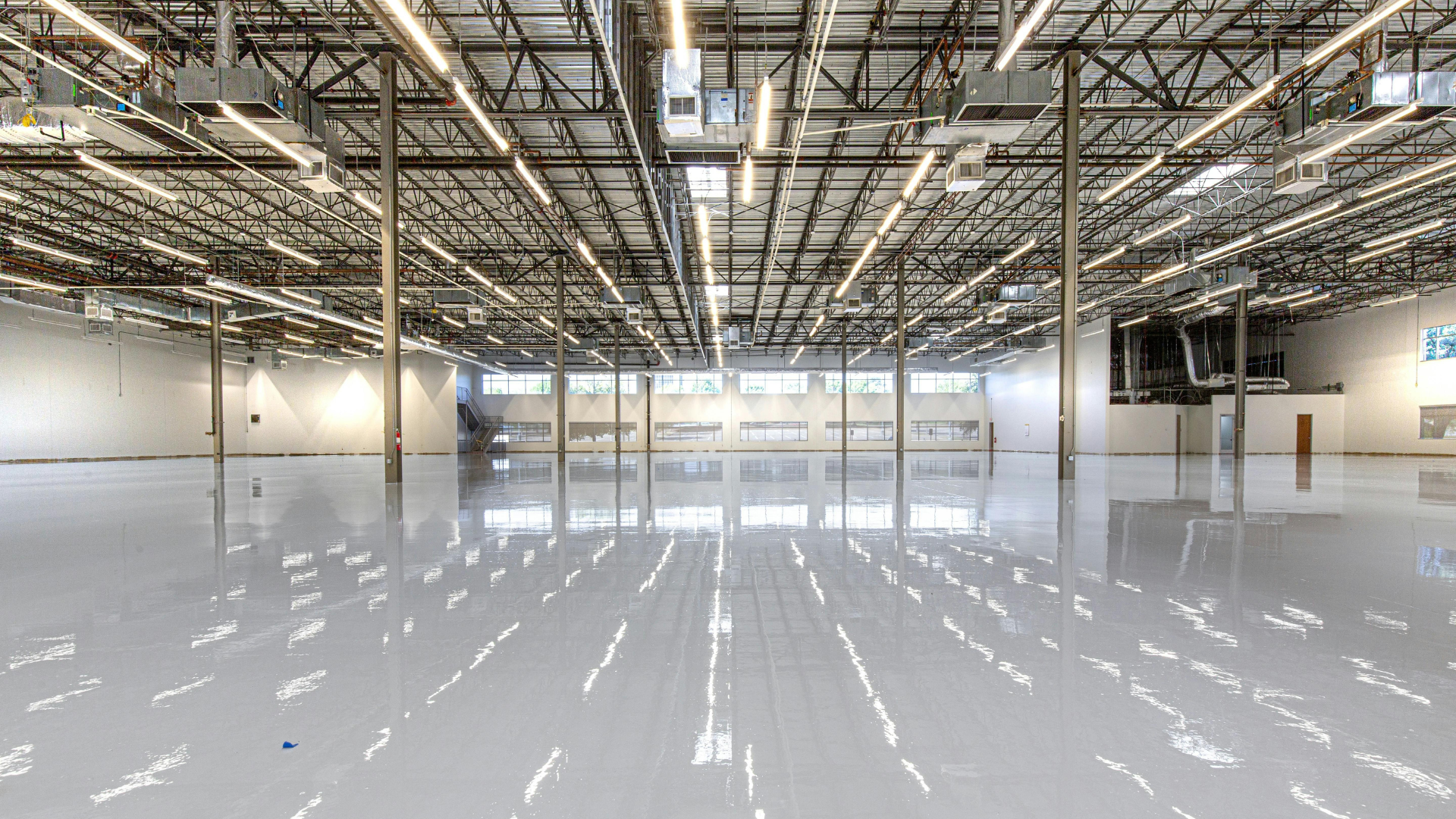
Why Chemical Selection Matters More Than Application Alone
In industrial and commercial cleaning, attention is often focused on how a chemical is applied. While proper application techniques are important, the selection of the chemical itself plays a far greater role in safety, compliance, and performance. Choosing the wrong product can introduce unnecessary risks, even when applied correctly. At Green Power Chemical, we emphasize that responsible chemical selection is the foundation of effective and compliant cleaning practices.
The Limits of Application Technique
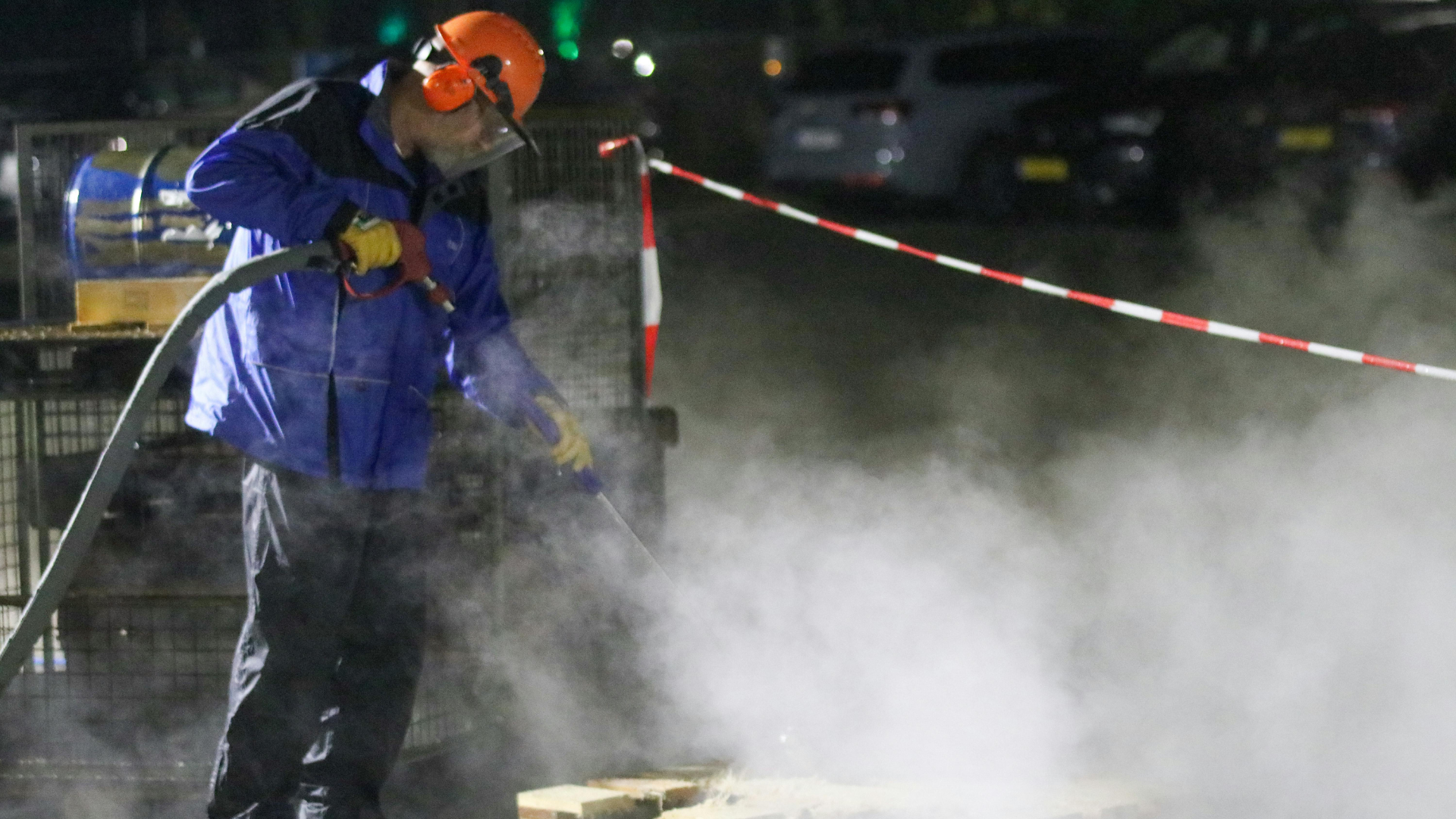
Proper dilution, dwell time, and surface contact are essential components of any cleaning process. However, application techniques cannot compensate for a poorly chosen chemical. If a product contains unnecessarily harsh solvents or excessive volatile compounds, even perfect application may still expose workers and facilities to avoidable hazards.
Facilities sometimes rely on legacy products simply because they have always been used. Over time, regulatory expectations and workplace safety standards evolve. Continuing to use outdated chemical formulations can create hidden risks that are not addressed by improved application alone.
Chemical Composition Determines Risk
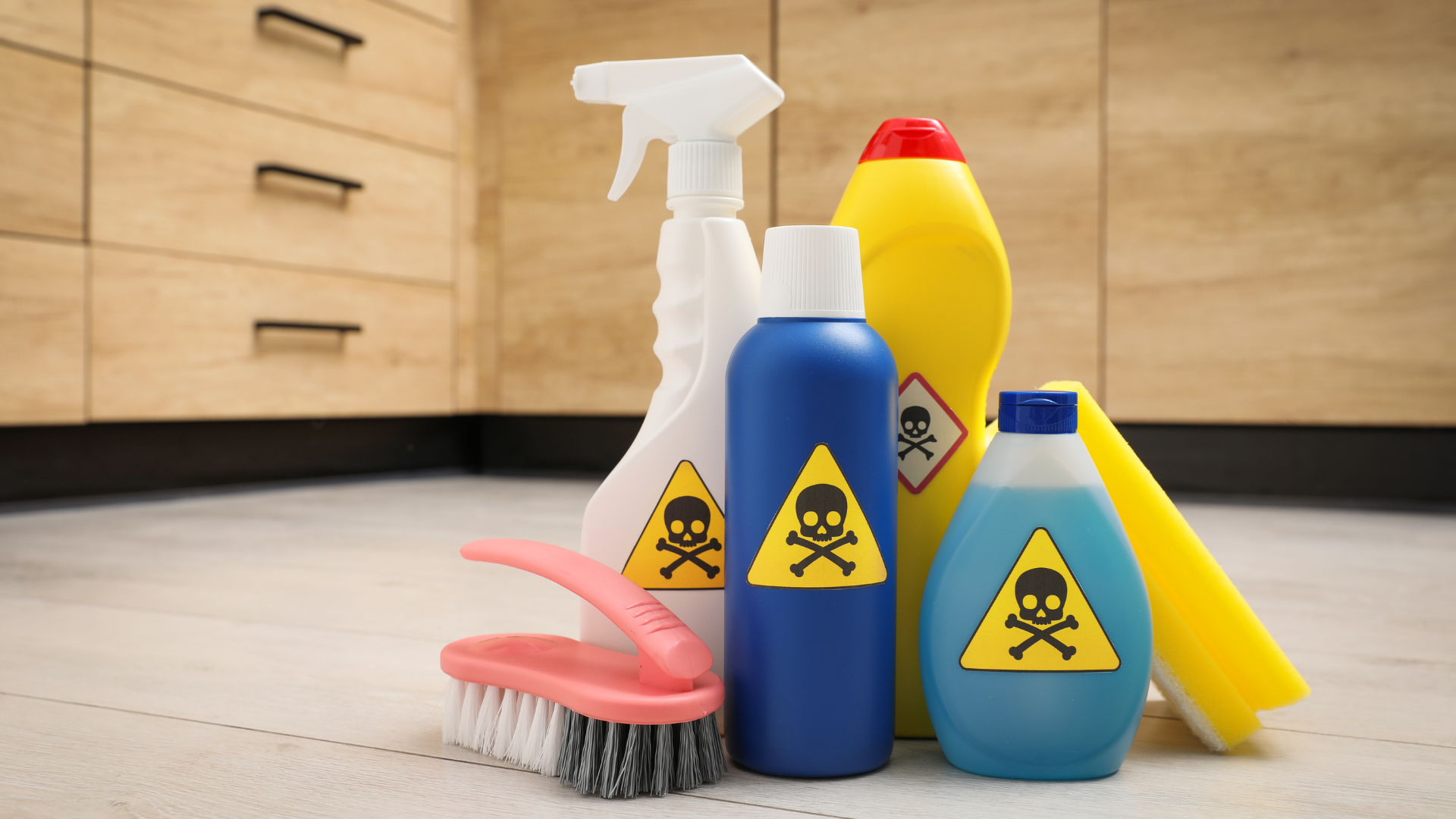
The composition of a cleaning chemical determines how it behaves in real world conditions. Factors such as vapor pressure, toxicity profile, and residue characteristics influence worker exposure, indoor air quality, and environmental impact.
Low-VOCand responsibly formulated cleaners reduce airborne exposure during use. This matters in enclosed or high use environments where repeated cleaning occurs throughout the day. Selecting chemicals designed with safer chemistry principles helps support a healthier workplace while maintaining cleaning effectiveness.

Compliance Begins With the Right Product
Regulatory compliance is not achieved solely through proper handling. Agencies such as OSHA and the EPA expect employers to evaluate the chemicals used in their facilities and select products that minimize risk where possible.
Using appropriately formulated cleaners supports hazard communication requirements, simplifies training, and reduces the likelihood of noncompliance related to chemical exposure. When a facility selects safer products, compliance becomes easier to maintain across day to day operations.

Performance Without Overcompensation
A common misconception is that stronger or more aggressive chemicals always perform better. In reality, modern cleaning chemistry allows for effective degreasing and soil removal without relying on excessive solvent content.
Selecting a chemical designed for the specific task improves performance while avoiding overcompensation. A cleaner engineered for industrial soils will perform efficiently without requiring repeated application or excessive mechanical action. This reduces labor demands and limits unnecessary chemical use.

Worker Safety Is Influenced at the Selection Stage
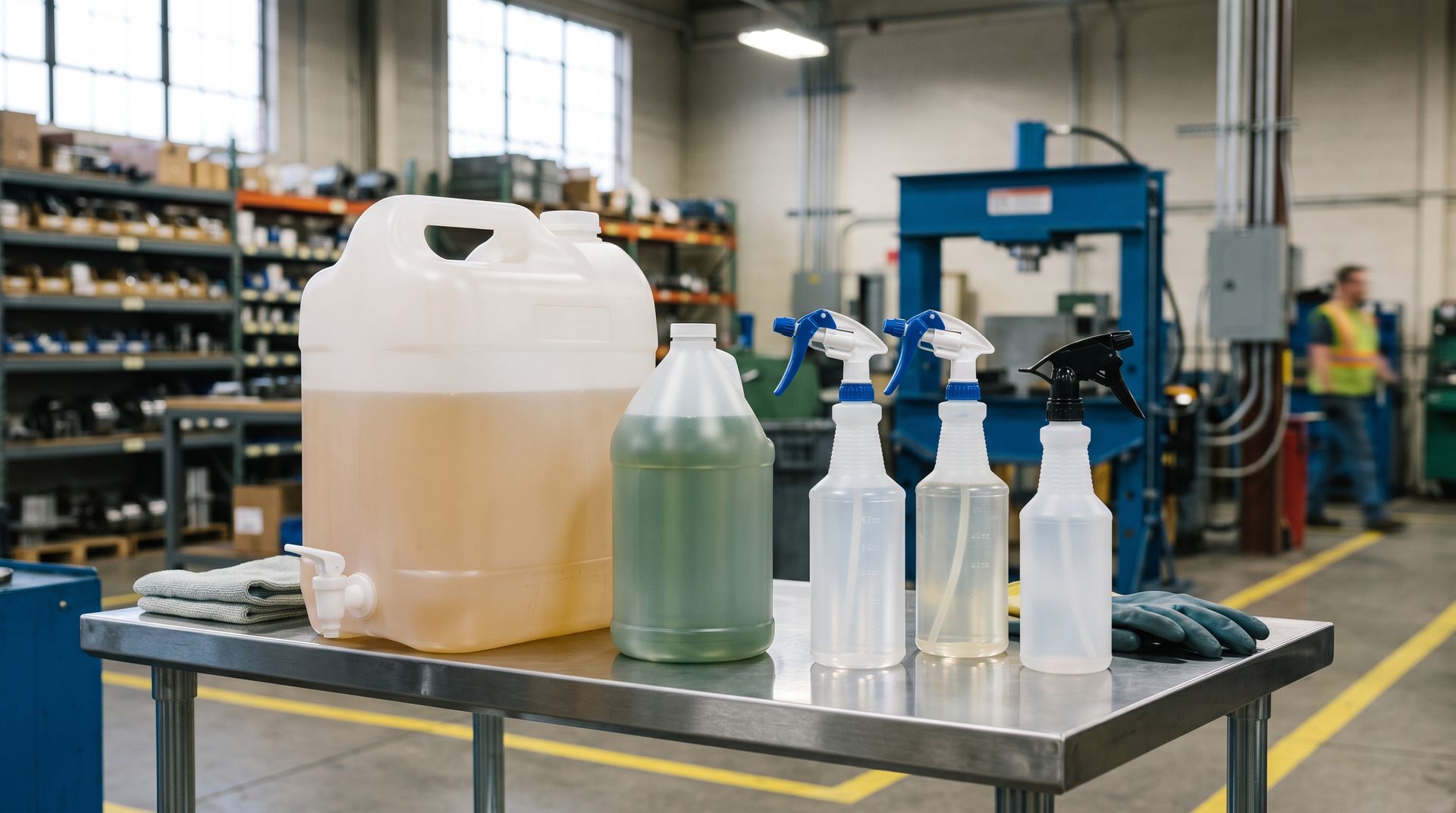
Worker safety is affected long before a product is poured into a spray bottle or cleaning system. Chemical selection influences the level of protective equipment required, the potential for skin or respiratory irritation, and the overall safety culture within a facility.
Choosing safer cleaning chemicals helps reduce reliance on heavy protective gear and lowers the risk of accidental exposure. This can improve worker comfort and consistency while reinforcing a commitment to safety.
Environmental Considerations Extend Beyond Disposal
Environmental impact is often associated with disposal, but it begins with chemical selection. Products formulated to break down more readily and produce fewer harmful byproducts reduce the burden on wastewater systems and surrounding ecosystems.
Selecting environmentally responsible cleaners supports broader sustainability goals without compromising cleaning outcomes. This approach reflects responsible facility management rather than reactive compliance.

Long Term Operational Benefits
When facilities prioritize chemical selection, they often experience long term operational benefits. Reduced chemical hazards lead to fewer incidents, simpler training, and more predictable outcomes. Equipment and surfaces may also experience less degradation when harsh solvents are avoided.
Over time, these benefits contribute to reduced costs and improved reliability across cleaning operations.

Building Smarter Cleaning Programs
Effective cleaning programs are built on informed decisions. Application technique matters, but it should be applied to chemicals chosen with intention. Selecting the right product reduces risk, supports compliance, and enhances performance from the start.
At Green Power Chemical, we believe responsible chemical selection is the cornerstone of safe and effective cleaning. By focusing on chemistry first, facilities can build cleaning programs that protect workers, meet regulatory expectations, and deliver consistent results.
You can contact us by phone at 800-932-9371, by emailing us at peter@greenpowerchemical.com, or through the contact form here on our site.