The Role of Green Cleaning Chemicals in Preventive Equipment Maintenance

January 16, 2026

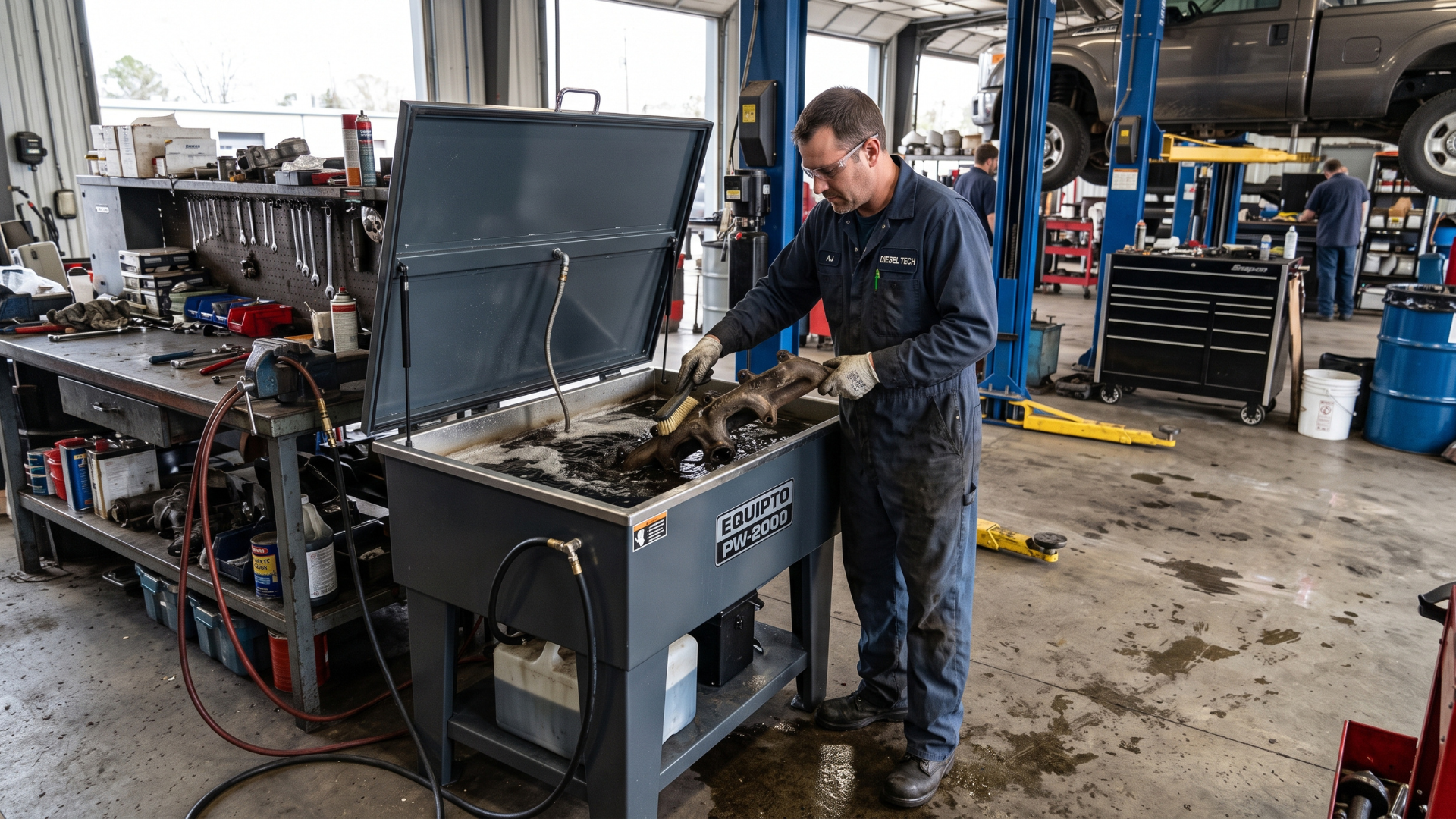
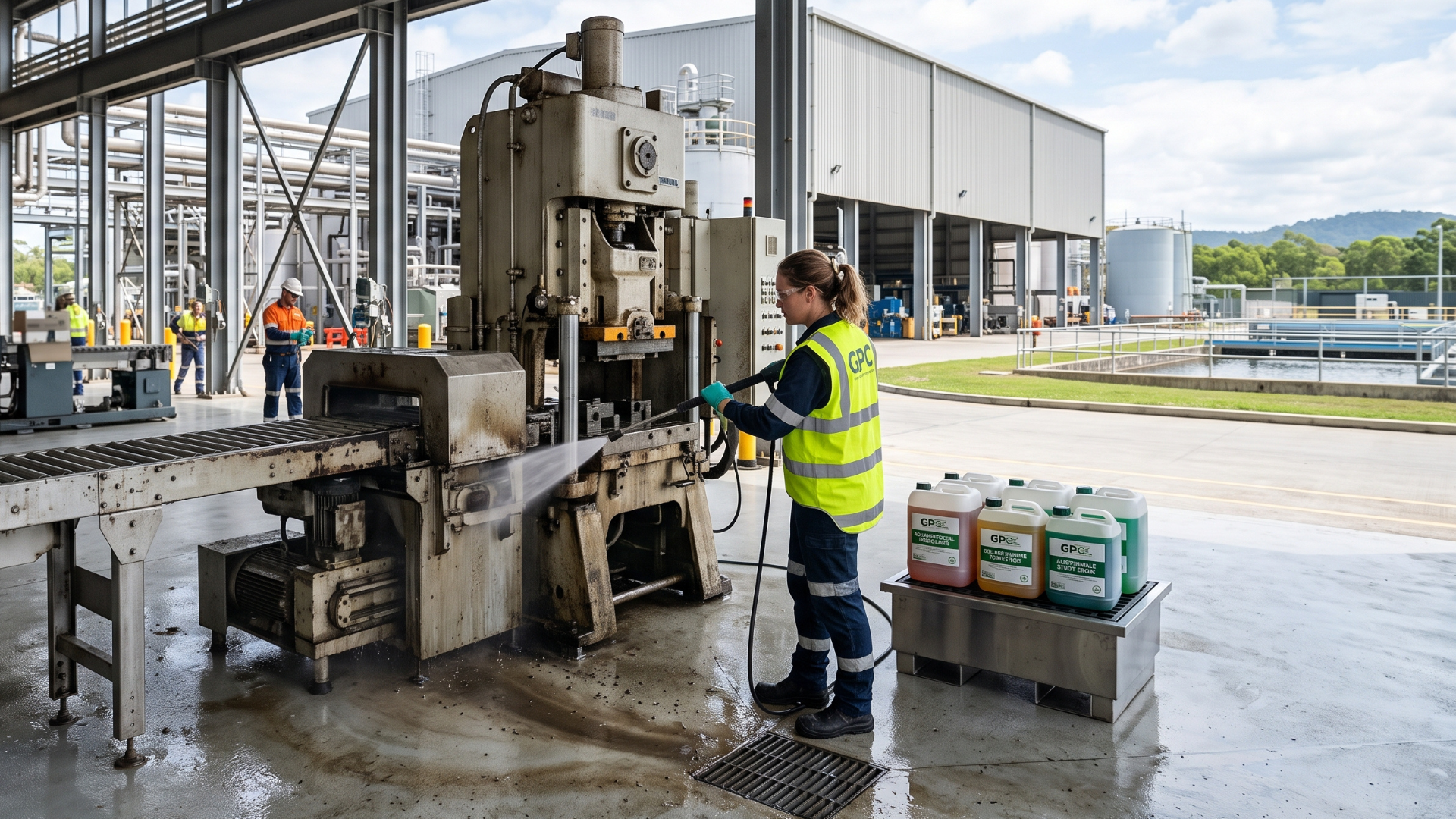
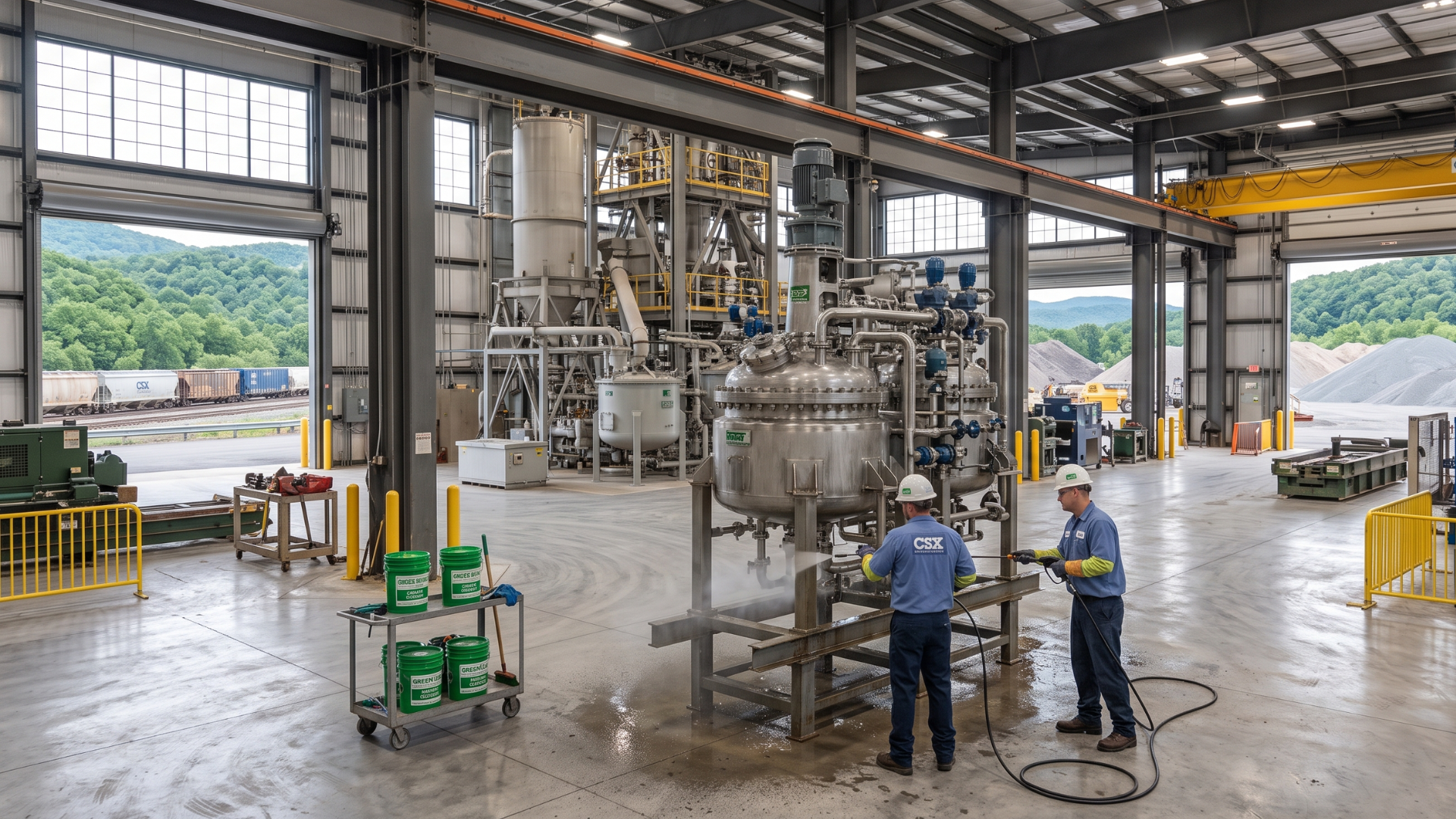
Preventive maintenance is a critical part of keeping industrial and commercial equipment operating efficiently. While maintenance programs often focus on inspections, lubrication, and component replacement, the role of cleaning is sometimes underestimated. The type of cleaning chemicals used can directly affect equipment longevity, safety, and compliance. Green cleaning chemicals play an increasingly important role in preventive maintenance strategies across many industries.

Why Cleaning Matters in Preventive Maintenance

Contaminants such as grease, oils, residues, and particulate buildup can interfere with equipment performance. Left untreated, these substances may contribute to overheating, corrosion, or premature wear. Regular cleaning helps reduce stress on components and allows maintenance teams to identify potential issues early.


Cleaning also supports accuracy in inspections. When equipment surfaces are free of residue, cracks, leaks, and wear patterns are easier to detect. This visibility improves decision making and helps prevent unexpected failures.
The Impact of Chemical Choice on Equipment

Traditional solvent-based cleaners can be effective at removing tough residues, but they may also introduce risks. Harsh chemicals can degrade seals, coatings, and sensitive components over time. Some solvents leave behind residues that attract dirt or interfere with moving parts.


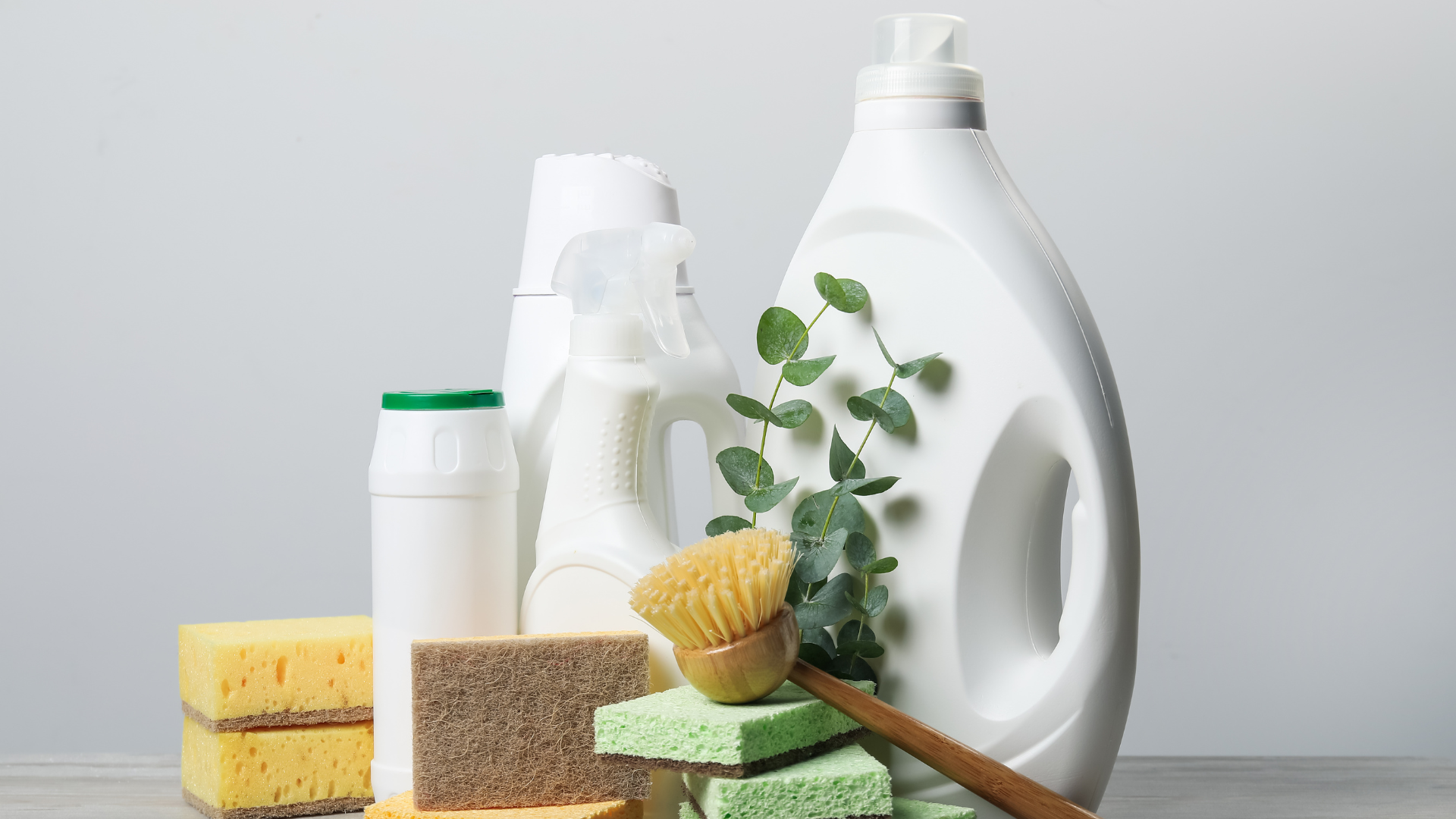
Green cleaning chemicals are designed to clean effectively while being compatible with a wide range of materials. Using products that are less aggressive helps preserve finishes, gaskets, and surfaces, supporting longer service life for equipment.
Reducing Corrosion and Material Degradation

Corrosion is a major concern in industrial environments. Certain cleaning agents can accelerate corrosion if they are too acidic, alkaline, or reactive. Green formulations are often engineered to minimize corrosive effects while still delivering cleaning performance.


By reducing chemical stress on metal surfaces, green cleaners help protect equipment integrity. This is especially important for facilities with complex machinery or precision components where material degradation can lead to costly downtime.

Supporting Worker Safety During Maintenance

Preventive maintenance often requires close interaction with equipment. Workers may be exposed to cleaning chemicals during routine tasks. Green cleaning chemicals typically have lower levels of volatile organic compounds and reduced toxicity compared to conventional solvents.


Using safer cleaning products helps create a healthier work environment. Reduced exposure risks support worker safety programs and align with broader occupational health goals.
Regulatory and Compliance Considerations

Maintenance activities are subject to regulatory oversight, including guidelines related to chemical handling and exposure. Choosing green cleaning chemicals can help facilities align with OSHA and EPA expectations by reducing hazardous chemical use.


Using products with clear documentation and safety data simplifies compliance efforts. It also supports consistency in maintenance procedures across teams and shifts.

Environmental Responsibility and Operational Efficiency

Preventive maintenance is about efficiency as much as protection. Equipment that operates cleanly and smoothly uses energy more effectively and experiences fewer disruptions. Green cleaning chemicals contribute to this efficiency without introducing unnecessary environmental burden.


Reduced emissions and safer disposal profiles support sustainability initiatives while maintaining operational standards. Facilities can pursue environmental responsibility without compromising maintenance effectiveness.

Integrating Green Cleaners Into Maintenance Programs

Adopting green cleaning chemicals does not require a complete overhaul of maintenance practices. These products can often be integrated into existing cleaning schedules and procedures.


Training maintenance staff on proper use ensures consistent results. Over time, facilities may observe improvements in equipment condition and reduced chemical related issues.
A Smarter Approach to Equipment Care

Preventive maintenance is most effective when every component of the process supports long term performance. Cleaning is not just about appearance, it is about protection and reliability.


At Green Power Chemical, we develop cleaning solutions designed to support preventive maintenance goals. By choosing green cleaning chemicals, facilities can protect equipment, support safety, and align maintenance practices with modern compliance and sustainability expectations.

You can contact us by phone at 800-932-9371, by emailing us at peter@greenpowerchemical.com, or through the contact form here on our site.
April 29, 2026
Logistics environments are built for constant movement. Warehouses, distribution centers, and fulfillment facilities operate on tight schedules, with equipment, personnel, and inventory moving continuously throughout the day. In these high-traffic settings, cleanliness is often viewed as a secondary concern. In reality, it plays a direct role in safety, efficiency, and overall operational performance.  Maintaining clean surfaces is not simply about appearance. It is a foundational part of keeping logistics environments functioning as intended.
April 22, 2026
Persistent buildup is a common challenge across industrial and commercial environments. Whether it appears on floors, equipment, or work surfaces, residue that accumulates over time can be difficult to remove using standard cleaning methods. What begins as a manageable condition can gradually become more resistant, affecting both appearance and performance.  Understanding how buildup forms and why it persists is the first step toward addressing it effectively.
April 15, 2026
Graffiti is a common issue in many municipalities, affecting everything from public buildings to sidewalks and infrastructure. While some forms of graffiti are intentional art , unauthorized markings often create challenges for property owners and local governments. Beyond the immediate visual impact, graffiti can influence how a space is perceived and used over time.  Understanding the role of graffiti removal helps highlight why it is an important part of maintaining public environments.
April 9, 2026
Logistics and fulfillment centers operate in fast-paced environments where efficiency is directly tied to output, safety, and operational consistency. While technology, staffing, and inventory management often receive the most attention, facility cleanliness plays a critical role in supporting performance across the entire operation. A well-maintained facility is not simply a matter of appearance. It is a functional component of an efficient supply chain.  Understanding how cleanliness impacts logistics operations can help facility managers and operators make more informed decisions about maintenance strategies.
April 2, 2026
Food manufacturing facilities operate under strict sanitation standards designed to protect consumers and ensure product quality. From raw ingredient handling to final packaging, every stage of production must meet regulatory expectations set by agencies such as the FDA and USDA . While cleaning protocols are a central part of compliance, the type of cleaning products used also plays an important role.  Green cleaning products are increasingly being adopted in food manufacturing environments because they help facilities maintain high sanitation standards while reducing potential risks associated with traditional chemical cleaners. When properly formulated, these products support compliance by combining effective cleaning performance with safer chemical profiles.
March 24, 2026
Senior care facilities are responsible for maintaining environments that support the health, comfort, and dignity of their residents. Cleanliness is a critical part of that responsibility. From resident rooms to common areas, proper sanitation helps reduce the spread of illness and creates a more welcoming space for both residents and staff. However, the products used to achieve that cleanliness are just as important as the cleaning process itself.  Traditional cleaning chemicals can introduce risks that are often overlooked. In senior care environments, where residents may have increased sensitivity to chemical exposure, eco-friendly cleaning solutions offer a safer and more balanced approach. These products are designed to provide effective cleaning while minimizing potential harm to residents, staff, and the surrounding environment.
March 18, 2026
For many years, industrial cleaning relied heavily on harsh chemicals and solvent-based products. These substances were often effective at removing grease, oils, and contaminants from machinery and manufactured parts, but they also created significant environmental and safety concerns . Today, many companies are reevaluating their cleaning processes and looking for safer alternatives. As a result, green industrial cleaning products are becoming an increasingly important part of modern manufacturing and maintenance practices.  Green cleaning chemistry focuses on reducing environmental impact while still delivering the cleaning performance that industrial operations require. By replacing hazardous solvents with more environmentally responsible formulations , companies can protect both their workers and the environment without sacrificing efficiency.
March 11, 2026
In aerospace manufacturing , precision is everything. Every component that goes into an aircraft must meet strict performance standards, because even the smallest imperfection can affect safety, reliability, and long-term durability. While machining, forming, and assembly processes often receive the most attention, there is another critical step that is just as important: cleaning.  Residue-free cleaning plays a vital role in aerospace manufacturing . Oils, machining fluids, metal particles, and other contaminants can remain on parts after fabrication. If these residues are not completely removed before assembly, coating, or installation, they can compromise both the performance and longevity of aerospace components. This is why manufacturers place such strong emphasis on effective cleaning processes that leave surfaces completely free of contamination.
March 4, 2026
Industrial cleaning plays a critical role in manufacturing, aerospace, automotive, and heavy equipment operations. From degreasing metal components to preparing surfaces for coating, cleaning is essential to quality control. However, what happens after the cleaning process is just as important as the cleaning itself. Wastewater discharge regulations are becoming increasingly strict, and companies must ensure their cleaning operations align with federal, state, and local environmental standards.  At Green Power Chemical, we understand that wastewater compliance is not just a regulatory concern. It is a financial and operational priority. Selecting the right cleaning chemistry can significantly reduce discharge risks, simplify compliance, and protect both workers and the environment.
February 25, 2026
In aerospace manufacturing, performance tolerances are measured in fractions of millimeters and safety margins are calculated with rigorous engineering precision. In this environment, surface contamination is not a minor inconvenience. It can compromise bonding strength, coating adhesion, electrical conductivity, corrosion resistance, and overall component reliability. Precision cleaning is therefore not optional. It is a foundational step in aerospace quality assurance.  From airframe assemblies to turbine components, even microscopic residues such as oils, particulates, machining fluids, or polishing compounds can interfere with performance. Aerospace manufacturers operate under strict quality standards that demand repeatable and verifiable cleanliness. The integrity of each component depends not only on design and material selection but also on how effectively it is cleaned before final assembly or coating.