The Hidden Cost of Harsh Cleaners in Commercial Kitchens

June 4, 2025

Cleaning Smarter

In a fast-paced commercial kitchen, keeping surfaces clean and safe is non-negotiable. From grease-coated floors to food-prep areas, every surface must meet strict standards for hygiene and slip prevention. But many kitchen managers and owners don’t realize that the cleaning products they rely on—especially harsh, chemical-heavy degreasers—may be doing more harm than good in the long run.


At Green Power Chemical, we work with restaurants, cafeterias, and food service providers across the country who are moving away from caustic cleaners and adopting safer, high-performance alternatives. Here’s what commercial kitchens should know about the hidden cost of traditional cleaning products—and why switching to Green Power is a smarter, safer move.

A chef is putting on a pair of black gloves in a kitchen.

1. Damage to Floors and Surfaces

Many industrial degreasers contain strong alkalis, solvents, or acids designed to cut through grease quickly. While effective in the short term, these compounds can be abrasive to kitchen floors, especially tile, sealed concrete, or resin-based coatings.

Over time, repeated exposure to harsh chemicals can:


  • Erode grout lines and floor sealants
  • Dull or discolor surface finishes
  • Reduce the integrity of non-slip coatings
  • Lead to uneven surfaces or cracking


Not only does this create safety hazards for your staff, but it also increases your long-term maintenance costs. Once floors begin to break down, repairs or resurfacing become inevitable.


Green Power is designed to clean aggressively without breaking down surface materials. It preserves coatings, helps maintain slip resistance, and supports a longer lifespan for expensive flooring systems.
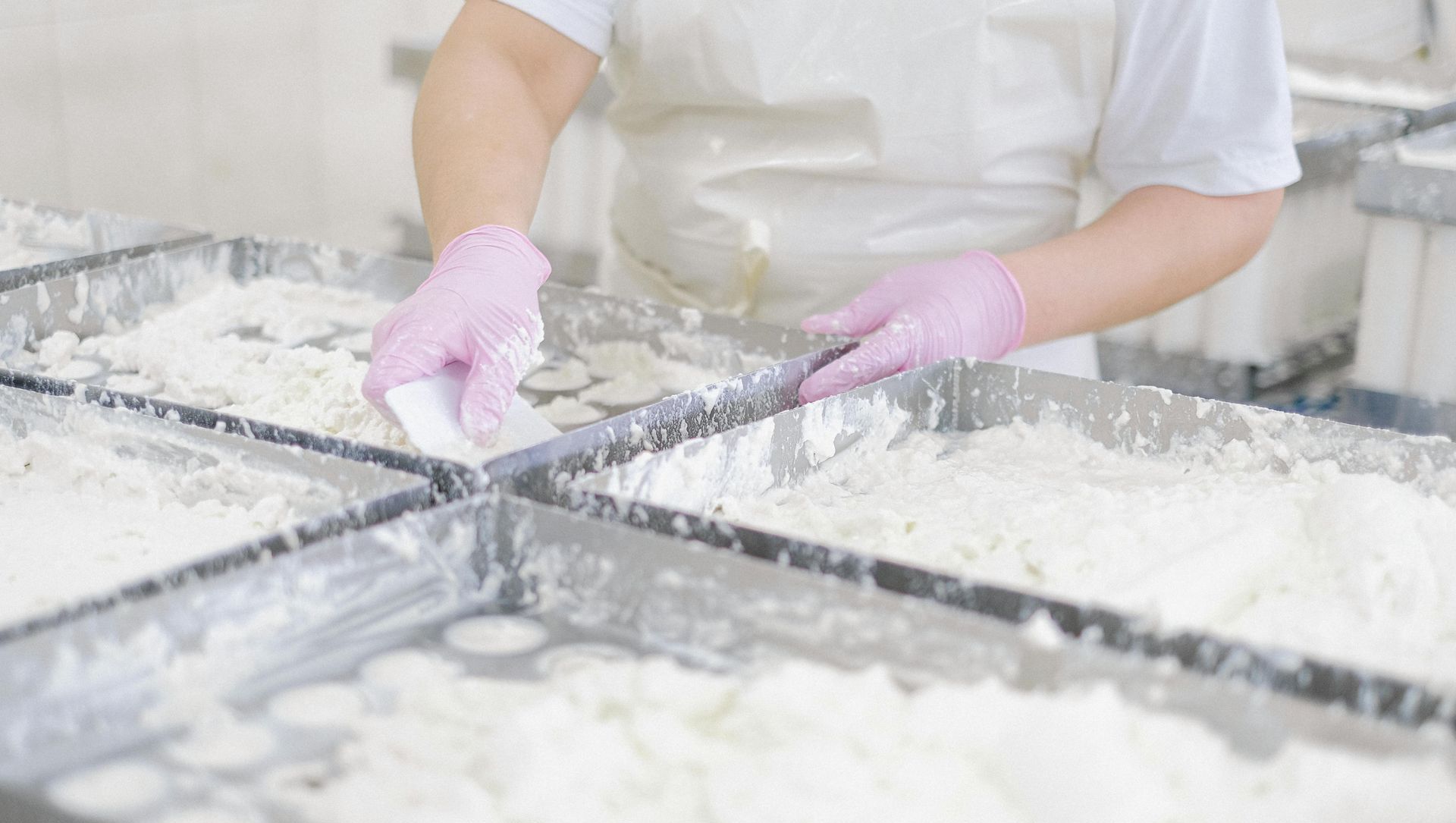
A person wearing pink gloves is working in a kitchen.

2. Health Risks to Staff

Cleaning crews and kitchen workers are often exposed to chemical residue, airborne vapors, or accidental splashes. Common symptoms associated with exposure to aggressive cleaners include:


  • Skin irritation and chemical burns
  • Eye and respiratory irritation
  • Headaches and nausea
  • Increased sensitivity over time


These symptoms can be even more pronounced in confined or poorly ventilated areas—like walk-in coolers, behind fryers, or under prep tables. Prolonged exposure can lead to occupational health complaints, increased sick days, and potential liability.


Green Power is non-toxic, biodegradable, and non-caustic. It contains no known carcinogens and emits no harsh fumes, making it safer for both short- and long-term use in enclosed environments.

A chef is stirring food in a pan with a wooden spoon in a kitchen.

3. Slip Hazards from Residue

Ironically, many cleaners designed to eliminate grease leave behind a film that increases the risk of slipping. When improperly rinsed—or when too concentrated—traditional cleaners can reduce traction, especially on smooth or worn surfaces.


Slip-and-fall accidents are among the most common causes of workplace injury in food service. In addition to the human cost, these accidents often result in:


  • Worker’s compensation claims
  • Insurance premium increases
  • Missed workdays
  • OSHA compliance issues


Green Power has been used widely in restaurant kitchens not just for its cleaning strength, but because it helps restore and maintain slip resistance on high-traffic floors. Used correctly, it leaves no hazardous residue and supports safer working conditions.
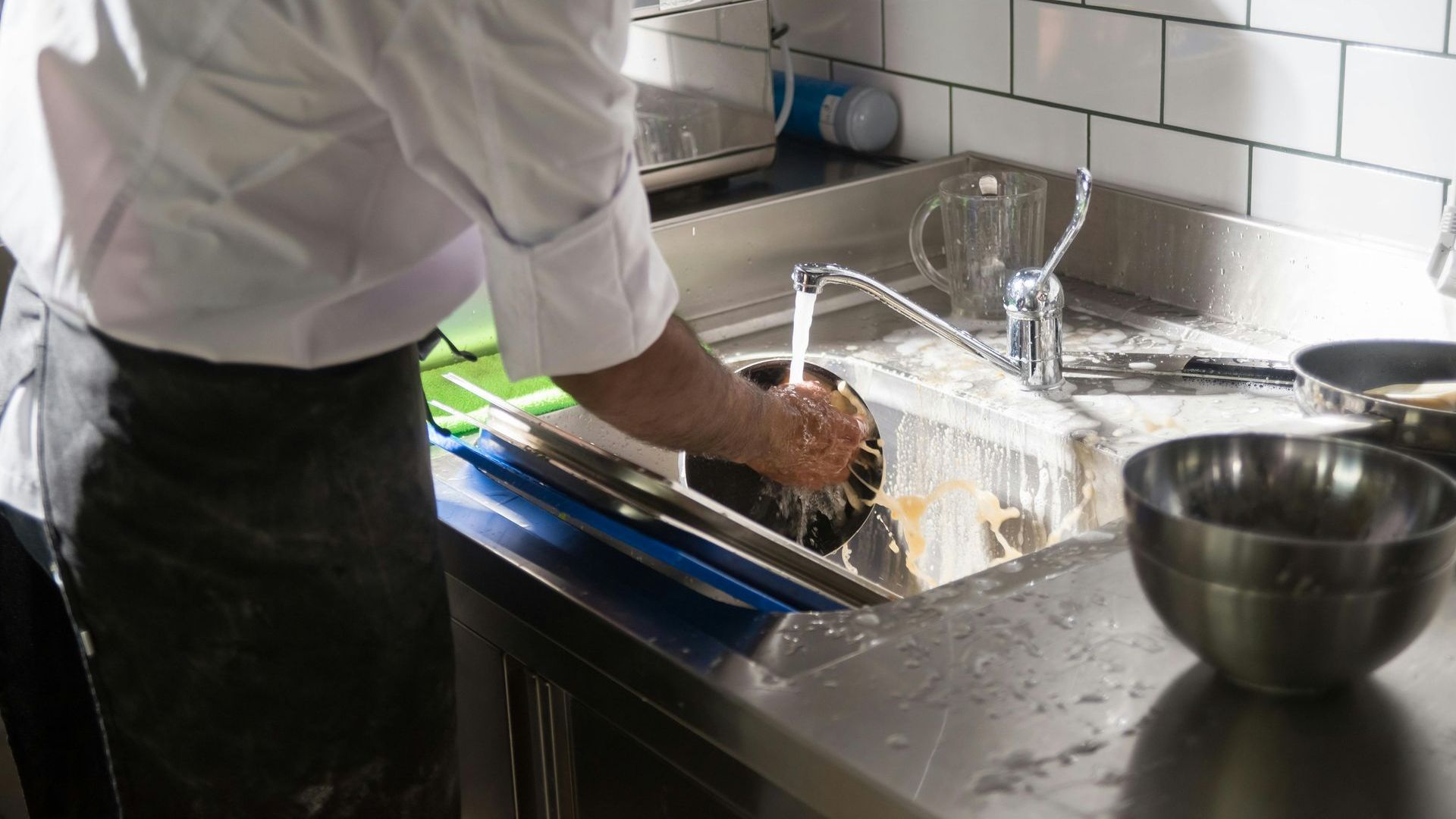
A man is washing dishes in a kitchen sink.

4. Compliance and Environmental Impact

More cities and states are implementing tighter regulations around hazardous cleaning chemicals—particularly in businesses that generate large amounts of wastewater, such as restaurants and food processors. Disposing of chemical-heavy products may require special handling or permits, and improper use can lead to fines or violations.


Switching to an environmentally responsible cleaner like Green Power can help restaurants:


  • Reduce their regulatory risk
  • Align with green certification goals
  • Improve public image among eco-conscious customers
  • Streamline procurement and compliance documentation


Green Power is biodegradable, non-flammable, and meets several key safety standards. For kitchen operators who need performance without the environmental baggage, it offers a future-proof solution.

A blurry picture of a kitchen with a woman standing in the background.

The Smarter Alternative

There is no question that commercial kitchens need serious cleaning power—but it should not come at the cost of surface damage, health risks, or long-term liability. Green Power offers industrial-grade degreasing without corrosive chemistry, making it ideal for day-to-day use in demanding food service environments.


If your kitchen is ready for a cleaner that works hard without wearing everything down, contact Green Power Chemical today. Our team can walk you through use cases, bulk pricing, and how to take advantage of our rental-to-own equipment program, where your first month’s rental can be applied toward purchase.

A man in a black shirt and black gloves is preparing food in a kitchen
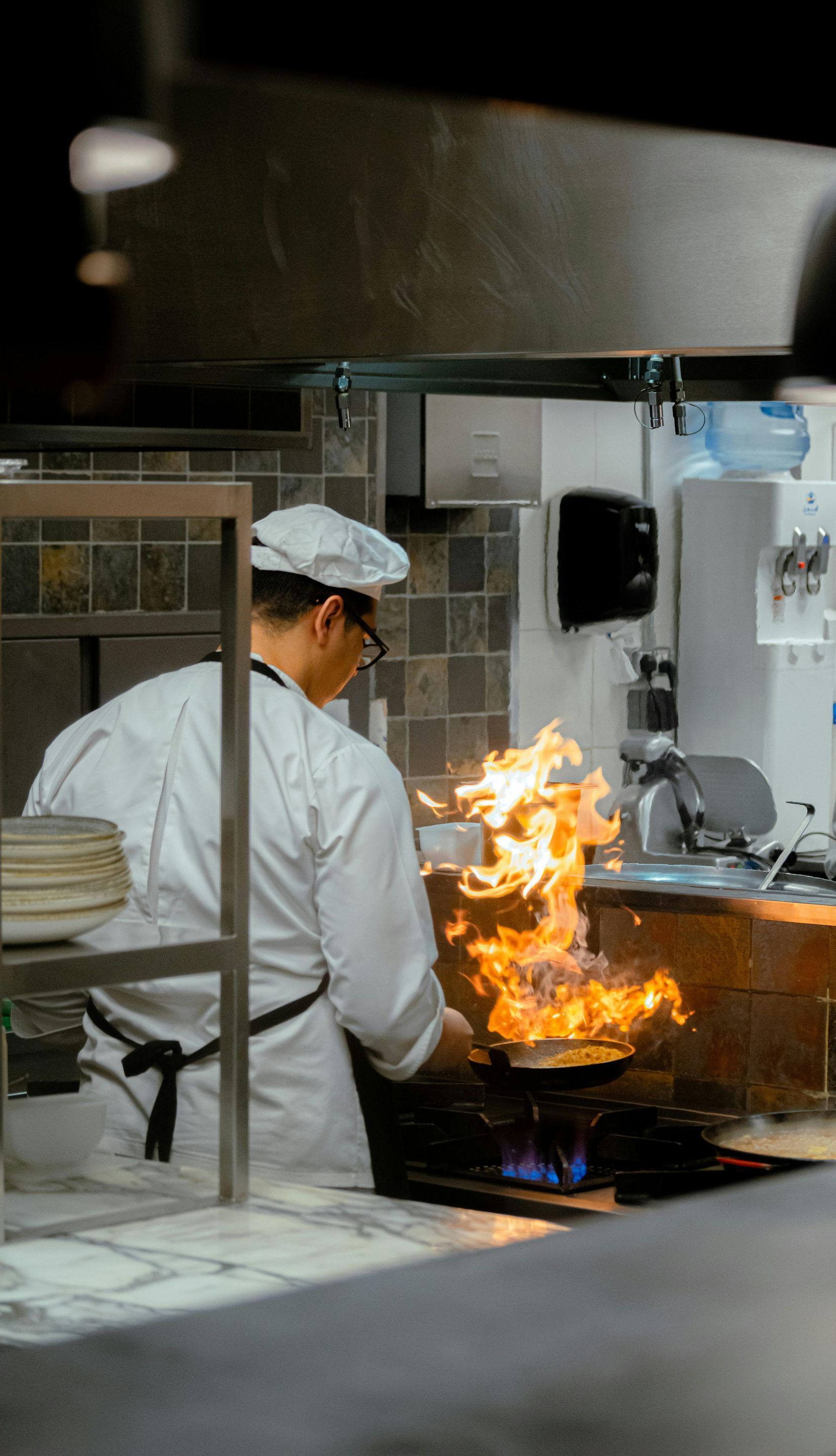
A chef is cooking food in a kitchen with flames coming out of a pan.
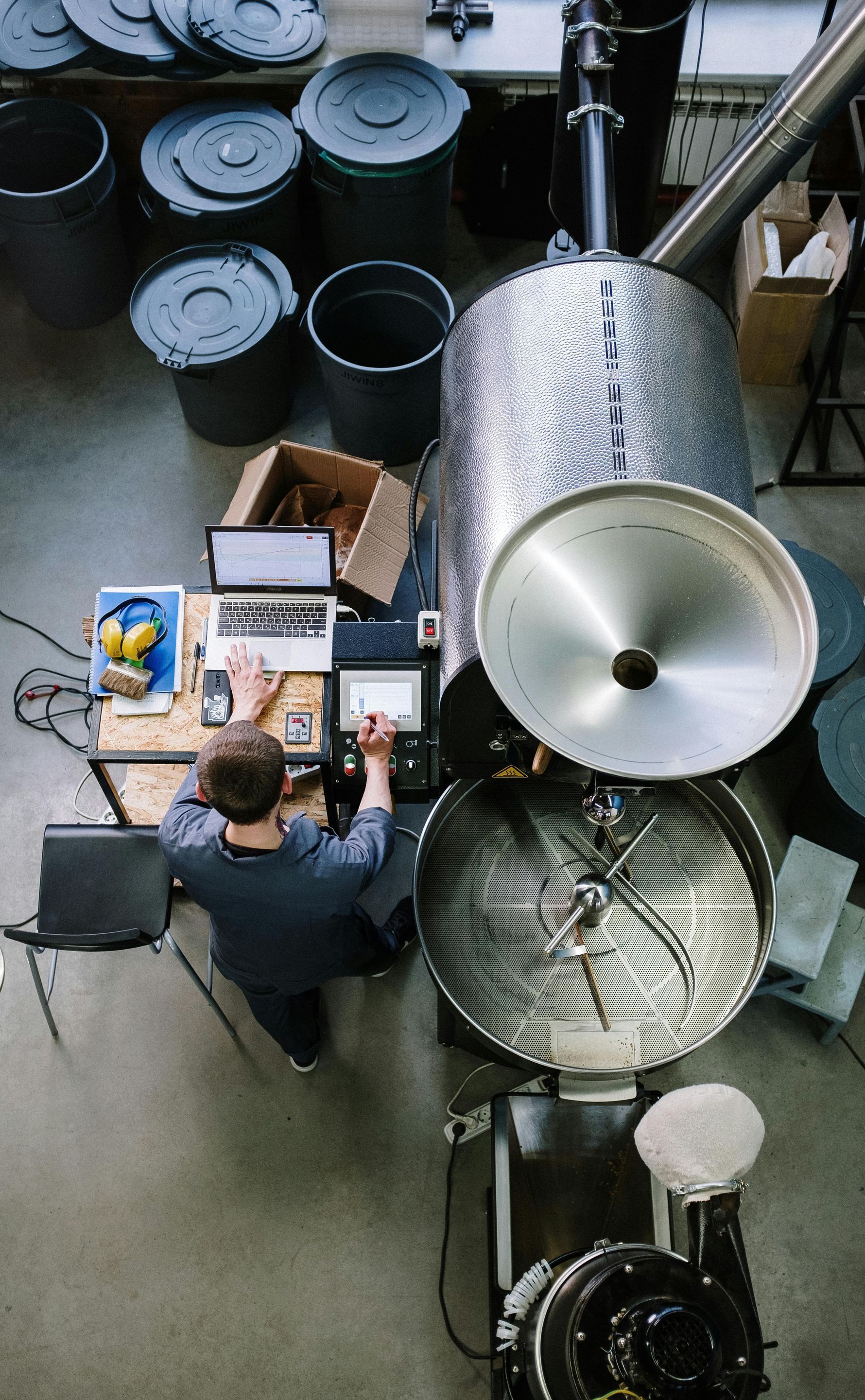
A man is sitting at a desk in front of a machine.
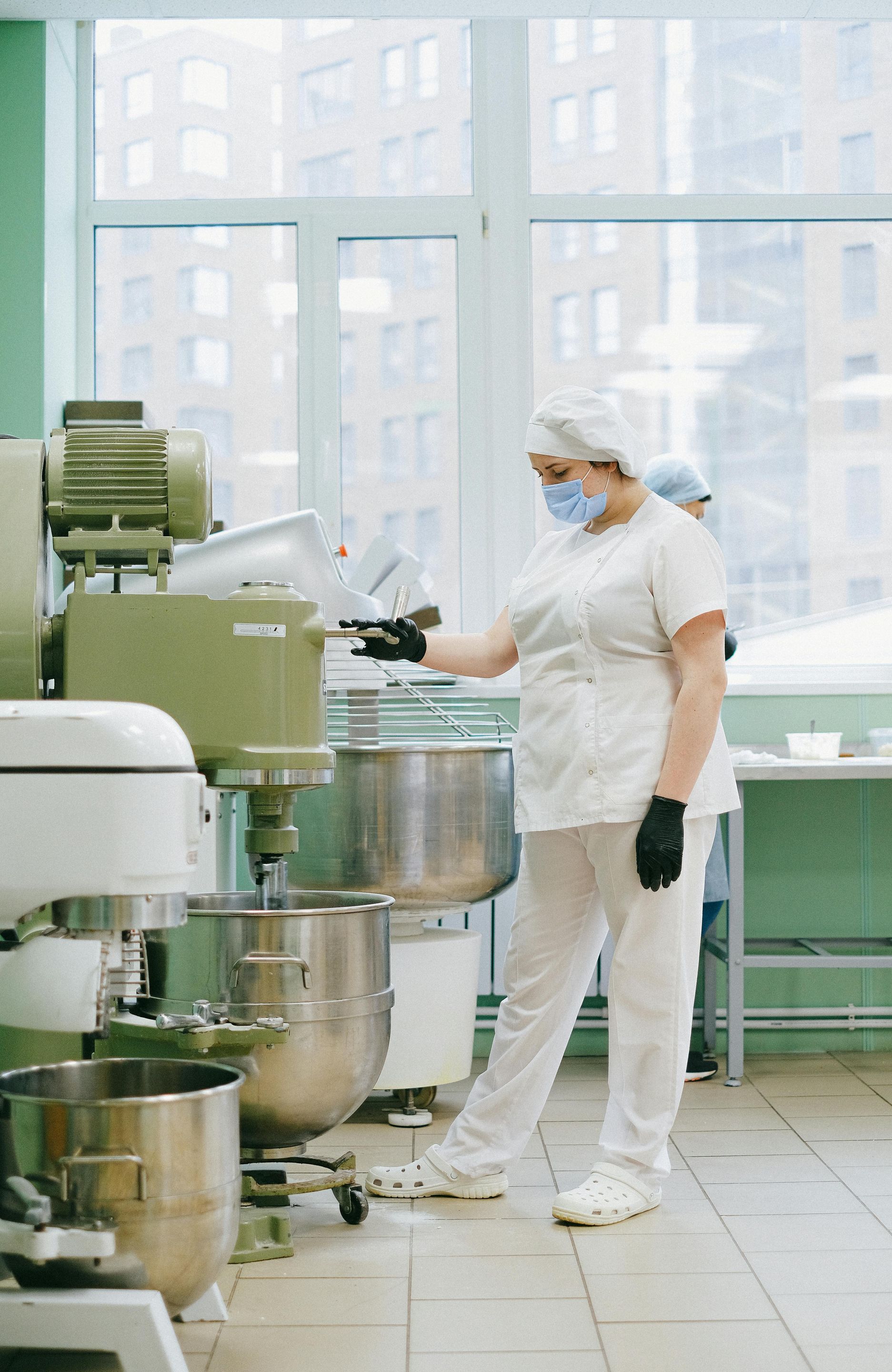
A woman wearing a mask is standing in front of a mixer in a kitchen.
A person is pouring corn into a fryer.
A man wearing a mask is working in a bakery.

You can contact us by phone at 800-932-9371, by emailing us at peter@greenpowerchemical.com, or through the contact form here on our site.
March 11, 2026
In aerospace manufacturing , precision is everything. Every component that goes into an aircraft must meet strict performance standards, because even the smallest imperfection can affect safety, reliability, and long-term durability. While machining, forming, and assembly processes often receive the most attention, there is another critical step that is just as important: cleaning.  Residue-free cleaning plays a vital role in aerospace manufacturing . Oils, machining fluids, metal particles, and other contaminants can remain on parts after fabrication. If these residues are not completely removed before assembly, coating, or installation, they can compromise both the performance and longevity of aerospace components. This is why manufacturers place such strong emphasis on effective cleaning processes that leave surfaces completely free of contamination.
March 4, 2026
Industrial cleaning plays a critical role in manufacturing, aerospace, automotive, and heavy equipment operations. From degreasing metal components to preparing surfaces for coating, cleaning is essential to quality control. However, what happens after the cleaning process is just as important as the cleaning itself. Wastewater discharge regulations are becoming increasingly strict, and companies must ensure their cleaning operations align with federal, state, and local environmental standards.  At Green Power Chemical, we understand that wastewater compliance is not just a regulatory concern. It is a financial and operational priority. Selecting the right cleaning chemistry can significantly reduce discharge risks, simplify compliance, and protect both workers and the environment.
February 25, 2026
In aerospace manufacturing, performance tolerances are measured in fractions of millimeters and safety margins are calculated with rigorous engineering precision. In this environment, surface contamination is not a minor inconvenience. It can compromise bonding strength, coating adhesion, electrical conductivity, corrosion resistance, and overall component reliability. Precision cleaning is therefore not optional. It is a foundational step in aerospace quality assurance.  From airframe assemblies to turbine components, even microscopic residues such as oils, particulates, machining fluids, or polishing compounds can interfere with performance. Aerospace manufacturers operate under strict quality standards that demand repeatable and verifiable cleanliness. The integrity of each component depends not only on design and material selection but also on how effectively it is cleaned before final assembly or coating.
February 18, 2026
Industrial degreasers are essential tools in manufacturing plants, automotive facilities, food processing environments, and maintenance operations. Grease, oil, and heavy residues can interfere with equipment performance, create safety hazards, and compromise product quality. For many years, the assumption was that the strongest degreaser available was automatically the best choice. Today, that assumption deserves closer examination.  Modern facilities face increasing pressure to balance cleaning performance with worker safety, regulatory compliance, and environmental responsibility. An effective industrial degreaser should deliver powerful results without introducing unnecessary risk.
February 11, 2026
In occupied commercial buildings, cleaning must balance effectiveness with the health and comfort of the people inside. Offices, schools, healthcare facilities, retail spaces, and multi tenant buildings all present a unique challenge. Cleaning needs to be thorough, yet it cannot disrupt daily operations or negatively affect indoor air quality . One factor that is often underestimated in this equation is odor.  Low-odor cleaning products play an important role in maintaining safe, comfortable, and compliant environments, especially when facilities remain in use during cleaning activities.
February 4, 2026
Graffiti is a persistent challenge for property owners, municipalities, and facility managers. While fast removal is important for maintaining appearance and discouraging repeat vandalism, the methods used to remove graffiti matter just as much as the outcome. Traditional graffiti removal products often rely on harsh solvents that raise concerns about worker safety, regulatory compliance, and environmental impact. Green cleaning products offer a safer and more sustainable alternative without sacrificing performance.
January 29, 2026
Not all industrial cleaning challenges are the same, and no single cleaner formulation is ideal for every application. One of the most overlooked factors in cleaner selection is formulation type. Foam, gel, and liquid cleaners are designed to behave differently once applied, and those differences directly affect performance, safety, and efficiency. Understanding when to use each formulation helps facilities clean more effectively while avoiding unnecessary chemical use or surface damage.
January 21, 2026
Employee retention is influenced by many factors , including compensation, management, and workplace culture. One factor that is often overlooked is the physical environment in which employees work every day. In industrial and commercial settings, the cleaning products used throughout a facility play a direct role in worker comfort, safety, and overall job satisfaction. Over time, the choice of cleaning chemistry can affect not only compliance but also workforce stability.
January 16, 2026
Preventive maintenance is a critical part of keeping industrial and commercial equipment operating efficiently. While maintenance programs often focus on inspections, lubrication, and component replacement, the role of cleaning is sometimes underestimated. The type of cleaning chemicals used can directly affect equipment longevity, safety, and compliance. Green cleaning chemicals play an increasingly important role in preventive maintenance strategies across many industries.
January 7, 2026
In industrial and commercial cleaning, attention is often focused on how a chemical is applied. While proper application techniques are important, the selection of the chemical itself plays a far greater role in safety, compliance, and performance. Choosing the wrong product can introduce unnecessary risks, even when applied correctly. At Green Power Chemical, we emphasize that responsible chemical selection is the foundation of effective and compliant cleaning practices.