What Makes a Degreaser Truly ‘Eco-Friendly’? A Buyer’s Guide

May 9, 2025

Sustainable Cleaning Starts with Smart Choices

“Eco-friendly” is everywhere—from laundry soap to industrial degreasers. But when it comes to heavy-duty cleaning in commercial or manufacturing environments, not all green labels mean the same thing. If you’re in charge of sourcing cleaning products for your shop, plant, or maintenance team, it’s worth understanding what actually qualifies a degreaser as environmentally responsible—and what might just be clever marketing.


At Green Power Chemical, we’ve been designing eco-conscious cleaning solutions for over 40 years. Here’s a breakdown of what to look for—and why it matters.

A person is cleaning a tiled floor with a machine.

1. Biodegradability: Will It Break Down Safely?

A key sign of an eco-friendly degreaser is its ability to biodegrade. This means it breaks down into non-toxic components through natural biological processes, without leaving harmful residues in soil or water systems.


Some conventional solvents can persist in the environment or leach into groundwater, creating long-term risks. A true eco-friendly formula should fully degrade within a reasonable timeframe and meet standards set by agencies like the EPA or OECD (Organization for Economic Co-operation and Development).


What to look for:

  • Biodegradable or “readily biodegradable” on the label
  • Absence of petroleum distillates or chlorinated solvents
  • Product data sheets confirming decomposition timeframes


Green Power Chemical’s aqueous and citrus-based degreasers—like Citra-Blend and Green Power NF—are designed with biodegradable surfactants that clean effectively without lingering in the environment.
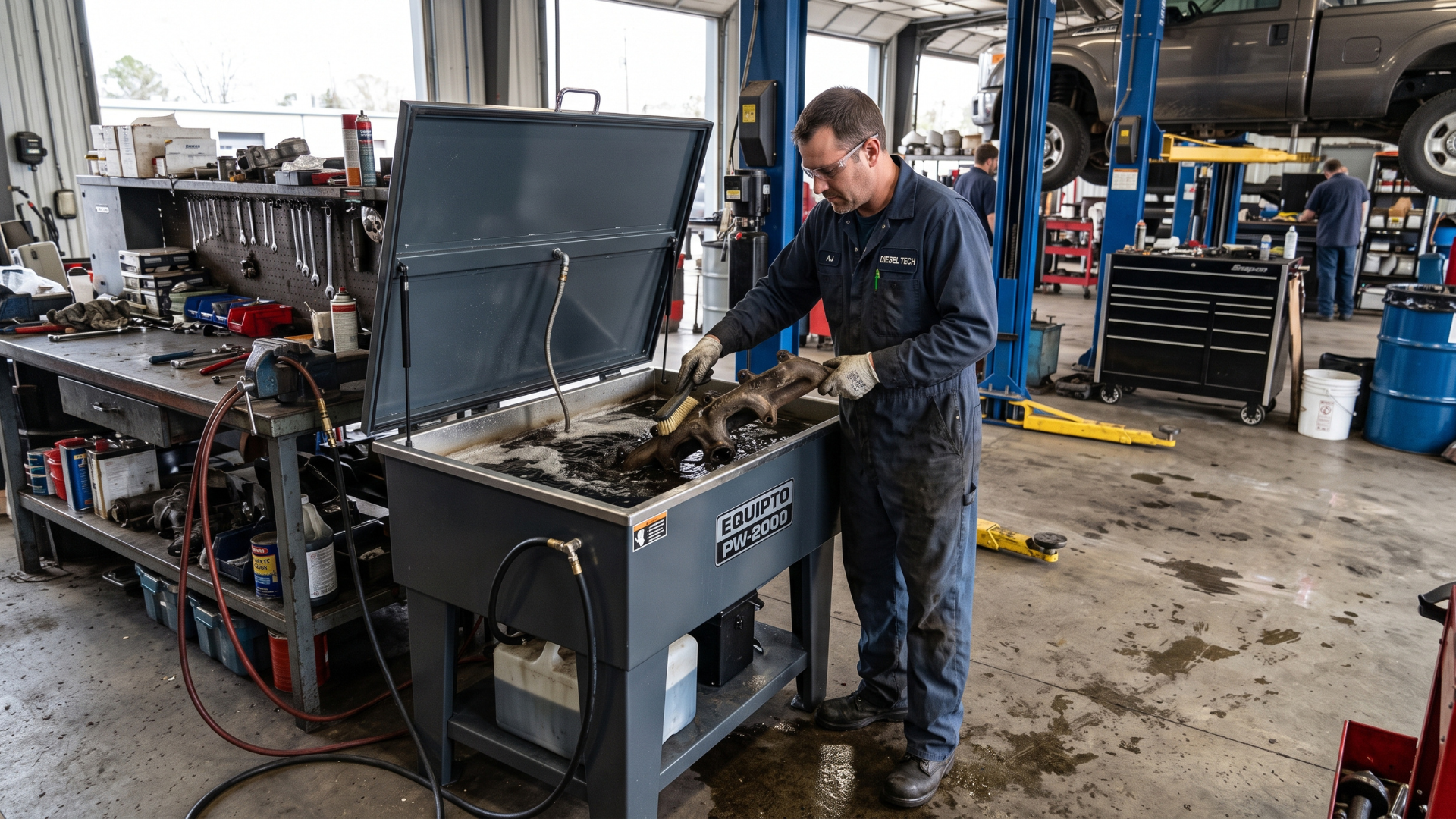
parts washer

2. Low or No Volatile Organic Compounds (VOCs)

VOCs are carbon-based chemicals that evaporate easily and contribute to air pollution and indoor air quality issues. Many harsh solvents release high levels of VOCs, which can pose health risks to workers and require special handling under OSHA regulations.


A genuinely eco-conscious degreaser should be low-VOC or VOC-free, reducing fumes and improving air safety on the job.


What to look for:

  • VOC content listed on the product’s Safety Data Sheet (SDS)
  • Compliance with local or state emissions regulations (e.g., California’s SCAQMD Rule 1171)


Green Power offers multiple low-VOC and no-VOC formulas, making them a smart choice for facilities looking to improve indoor air quality and reduce regulatory exposure.
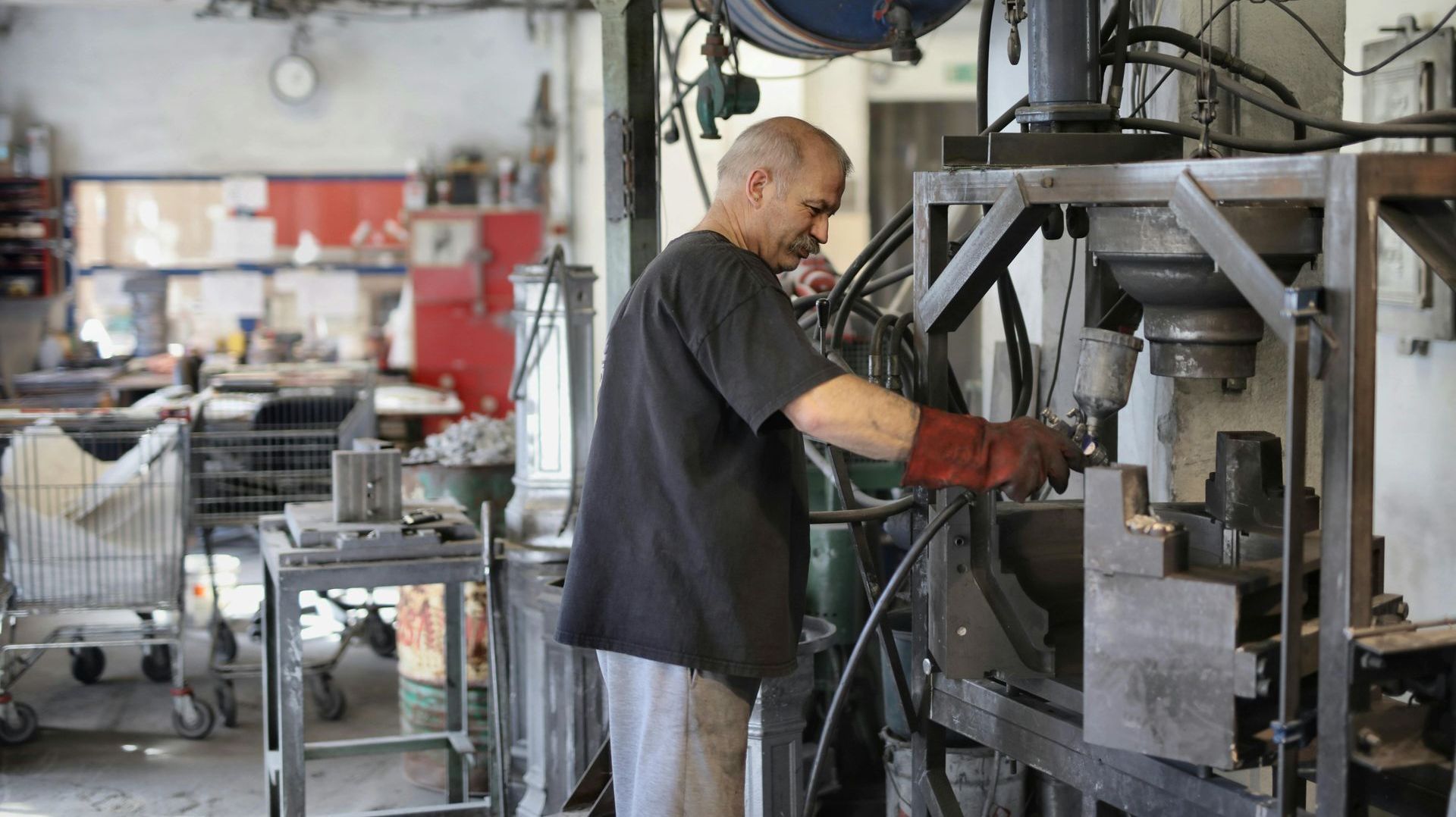
A man is working on a machine in a factory.

3. Non-Flammable and Non-Toxic Formulas

Eco-friendly degreasers should also be safer to store and use—especially in high-volume or high-heat operations. Traditional degreasers like acetone or MEK are highly flammable and toxic, requiring special ventilation, PPE, and fire risk mitigation.


Green alternatives such as Rapid Resin Clean or The Natural replace these harsh solvents with non-flammable, non-toxic options that are safer for both people and facilities—without sacrificing cleaning power.


What to look for:

  • Flash point above 140°F or non-flammable classification
  • No hazardous components listed under SARA or OSHA GHS guidelines
  • Designed for safe use on a variety of materials (metals, plastics, electronic parts, etc.)
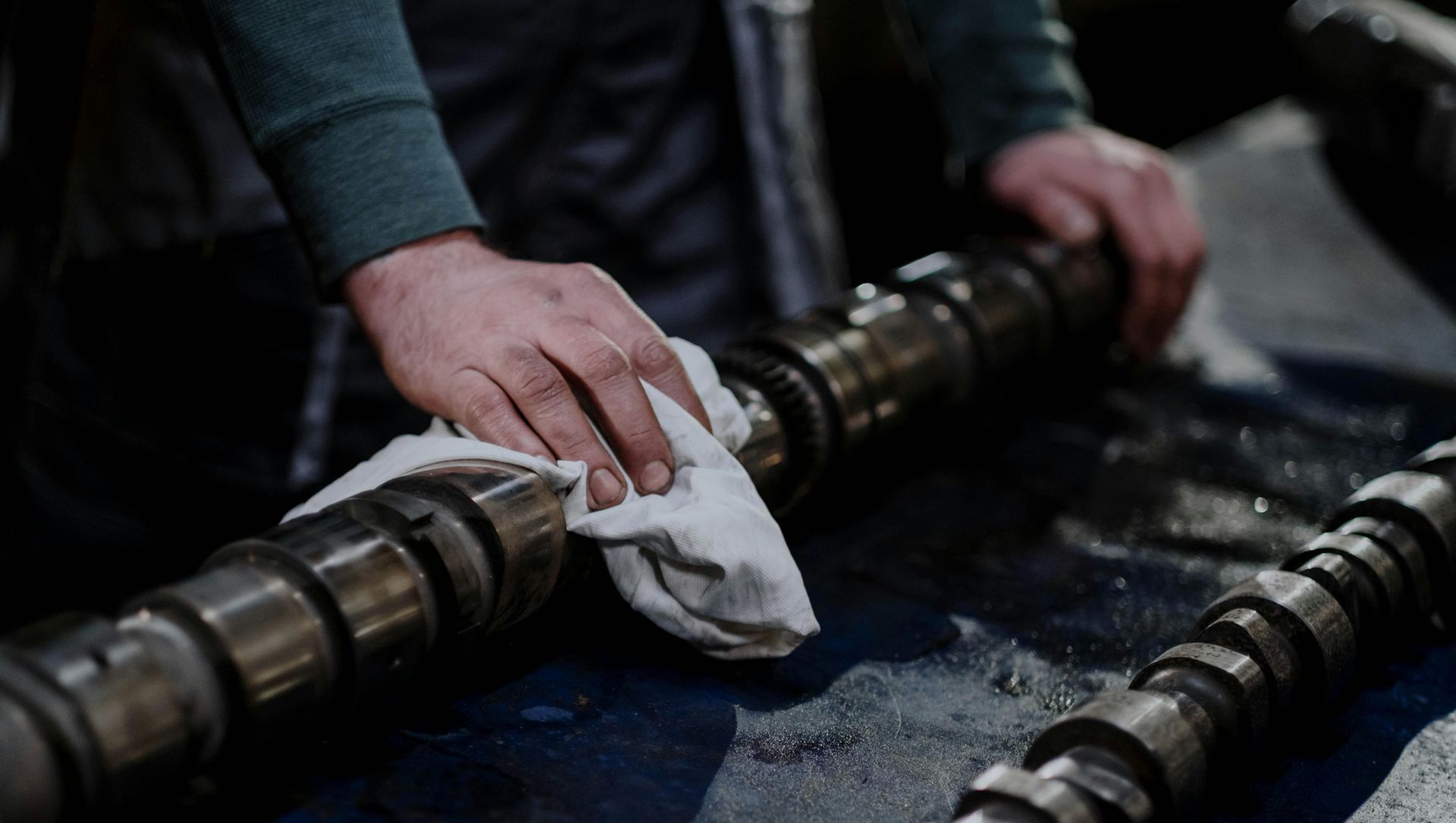
A man is cleaning a camshaft with a towel.

4. Safe for Equipment and Operators

A good green degreaser should clean thoroughly without damaging surfaces or endangering users. Look for products that are:


  • Non-corrosive
  • Compatible with common parts washer brands
  • Skin-safe or labeled as low-dermal irritation


Green Power’s aqueous formulas, including Planisol-M and TASC, are phosphate-free and rust-inhibited, making them safe for use in ultrasonic washers, spray tanks, and floor cleaning systems.
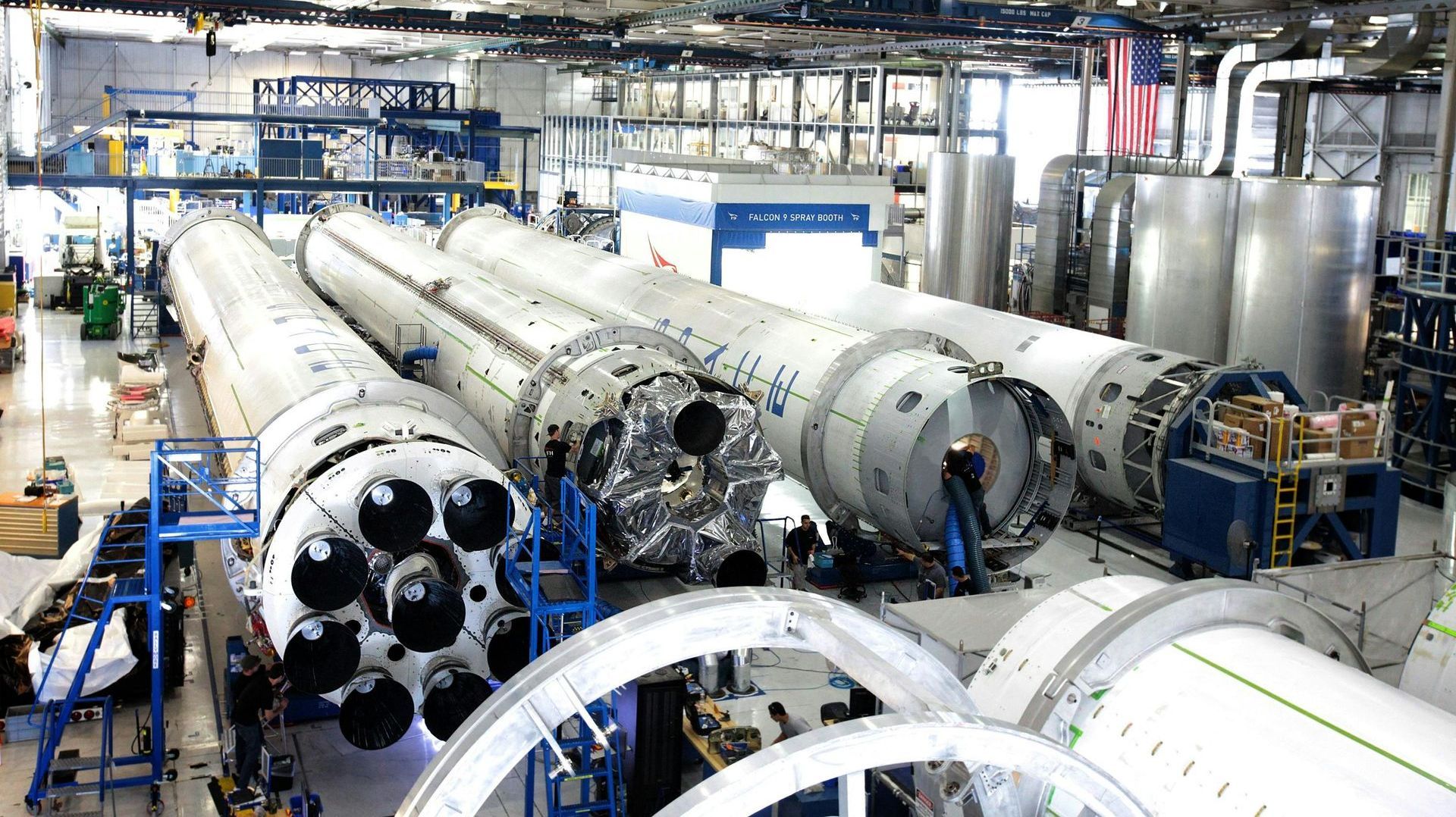
A large warehouse filled with lots of tubes and pipes

5. Backed by Real-World Use and Support

Beyond labels, one of the best signs of a truly eco-conscious product is how well it performs in real environments. If it doesn’t work, teams will default back to old-school solvents—negating any green intentions.


At Green Power Chemical, we provide consultation and customization support, helping facilities match the right degreaser to their equipment, contaminants, and safety goals. Our decades of experience mean we’re not just selling formulas—we’re offering solutions.


Make the Smart (and Safe) Switch

Not all “green” degreasers are created equal. By understanding what makes a product truly eco-friendly—biodegradability, low VOCs, safety, and effectiveness—you can make more informed choices that benefit your business, your team, and the environment.


Ready to switch to better-performing, safer degreasers?


Call us at (800) 932-9371 or email sales@greenpowerchemical.com for guidance, samples, or a quote. Let’s clean smarter—together.


A person is holding a green leaf with water drops on it
A man is sweeping the floor in a dark room with a red garage door in the background.
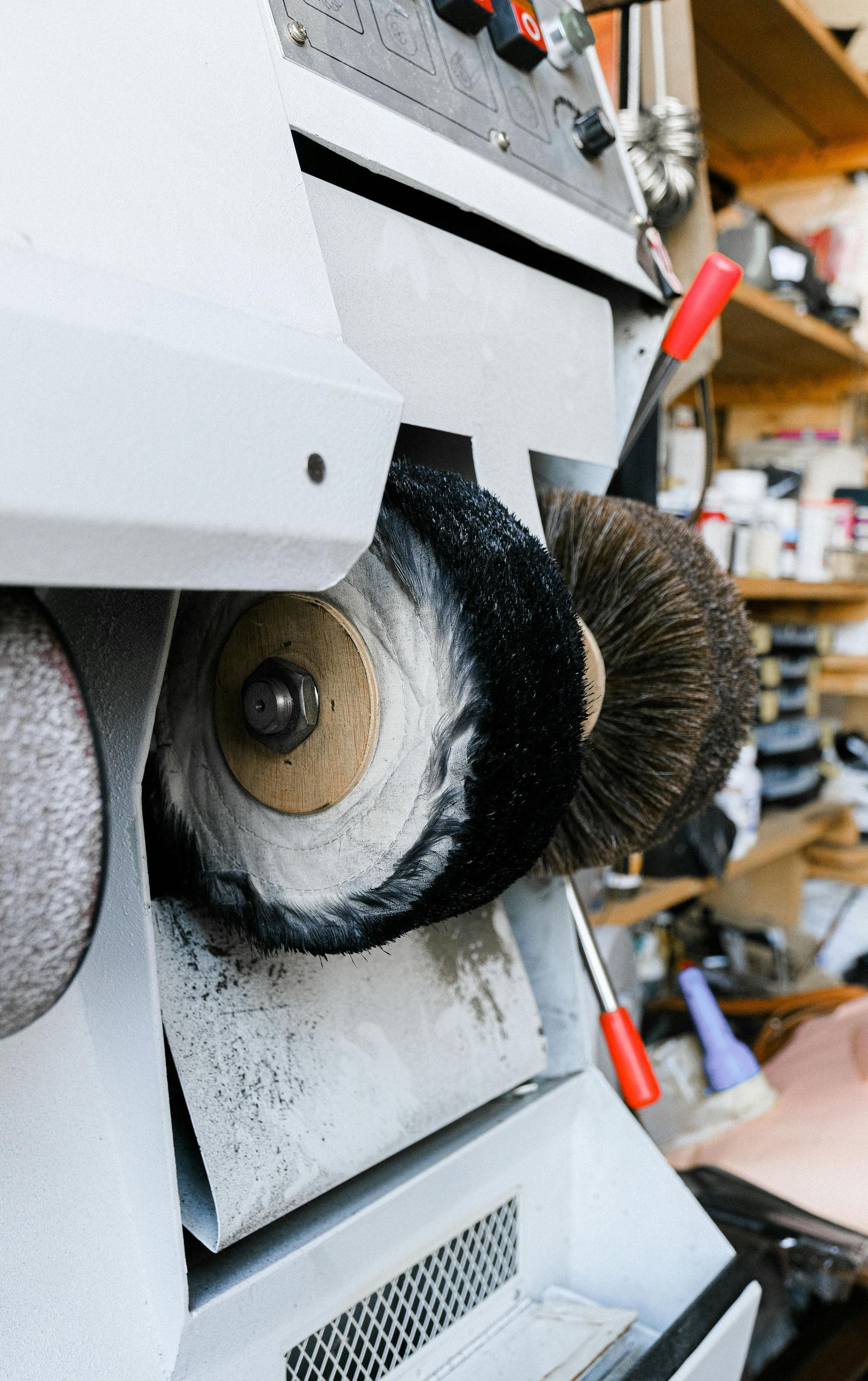
A close up of a machine with brushes on it
A woman is kneeling down in the dirt planting lettuce in a garden.
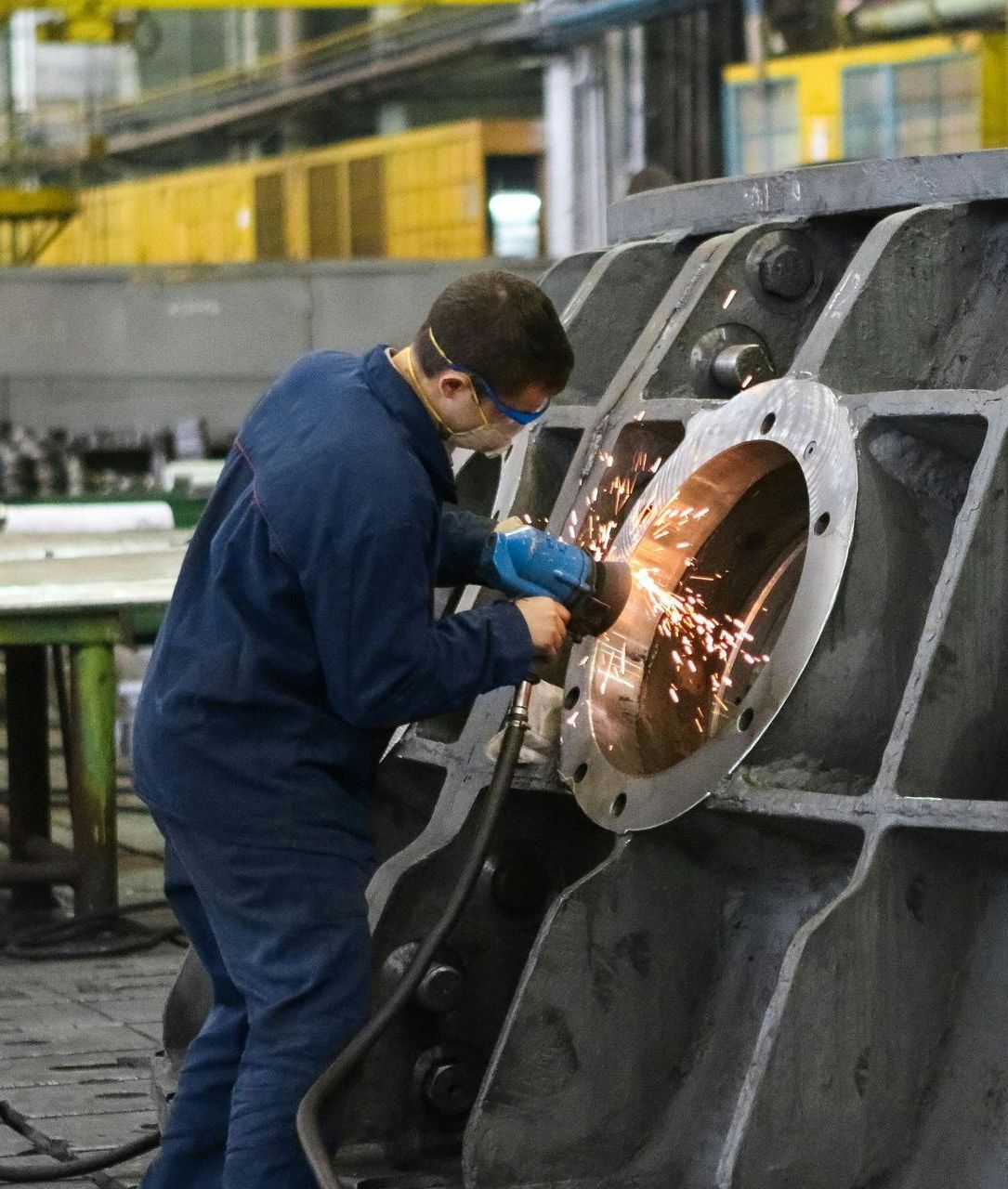
A man in a blue jumpsuit is grinding a piece of metal
A bunch of pipes are stacked on top of each other in a factory.

You can contact us by phone at 800-932-9371, by emailing us at peter@greenpowerchemical.com, or through the contact form here on our site.
March 11, 2026
In aerospace manufacturing , precision is everything. Every component that goes into an aircraft must meet strict performance standards, because even the smallest imperfection can affect safety, reliability, and long-term durability. While machining, forming, and assembly processes often receive the most attention, there is another critical step that is just as important: cleaning.  Residue-free cleaning plays a vital role in aerospace manufacturing . Oils, machining fluids, metal particles, and other contaminants can remain on parts after fabrication. If these residues are not completely removed before assembly, coating, or installation, they can compromise both the performance and longevity of aerospace components. This is why manufacturers place such strong emphasis on effective cleaning processes that leave surfaces completely free of contamination.
March 4, 2026
Industrial cleaning plays a critical role in manufacturing, aerospace, automotive, and heavy equipment operations. From degreasing metal components to preparing surfaces for coating, cleaning is essential to quality control. However, what happens after the cleaning process is just as important as the cleaning itself. Wastewater discharge regulations are becoming increasingly strict, and companies must ensure their cleaning operations align with federal, state, and local environmental standards.  At Green Power Chemical, we understand that wastewater compliance is not just a regulatory concern. It is a financial and operational priority. Selecting the right cleaning chemistry can significantly reduce discharge risks, simplify compliance, and protect both workers and the environment.
February 25, 2026
In aerospace manufacturing, performance tolerances are measured in fractions of millimeters and safety margins are calculated with rigorous engineering precision. In this environment, surface contamination is not a minor inconvenience. It can compromise bonding strength, coating adhesion, electrical conductivity, corrosion resistance, and overall component reliability. Precision cleaning is therefore not optional. It is a foundational step in aerospace quality assurance.  From airframe assemblies to turbine components, even microscopic residues such as oils, particulates, machining fluids, or polishing compounds can interfere with performance. Aerospace manufacturers operate under strict quality standards that demand repeatable and verifiable cleanliness. The integrity of each component depends not only on design and material selection but also on how effectively it is cleaned before final assembly or coating.
February 18, 2026
Industrial degreasers are essential tools in manufacturing plants, automotive facilities, food processing environments, and maintenance operations. Grease, oil, and heavy residues can interfere with equipment performance, create safety hazards, and compromise product quality. For many years, the assumption was that the strongest degreaser available was automatically the best choice. Today, that assumption deserves closer examination.  Modern facilities face increasing pressure to balance cleaning performance with worker safety, regulatory compliance, and environmental responsibility. An effective industrial degreaser should deliver powerful results without introducing unnecessary risk.
February 11, 2026
In occupied commercial buildings, cleaning must balance effectiveness with the health and comfort of the people inside. Offices, schools, healthcare facilities, retail spaces, and multi tenant buildings all present a unique challenge. Cleaning needs to be thorough, yet it cannot disrupt daily operations or negatively affect indoor air quality . One factor that is often underestimated in this equation is odor.  Low-odor cleaning products play an important role in maintaining safe, comfortable, and compliant environments, especially when facilities remain in use during cleaning activities.
February 4, 2026
Graffiti is a persistent challenge for property owners, municipalities, and facility managers. While fast removal is important for maintaining appearance and discouraging repeat vandalism, the methods used to remove graffiti matter just as much as the outcome. Traditional graffiti removal products often rely on harsh solvents that raise concerns about worker safety, regulatory compliance, and environmental impact. Green cleaning products offer a safer and more sustainable alternative without sacrificing performance.
January 29, 2026
Not all industrial cleaning challenges are the same, and no single cleaner formulation is ideal for every application. One of the most overlooked factors in cleaner selection is formulation type. Foam, gel, and liquid cleaners are designed to behave differently once applied, and those differences directly affect performance, safety, and efficiency. Understanding when to use each formulation helps facilities clean more effectively while avoiding unnecessary chemical use or surface damage.
January 21, 2026
Employee retention is influenced by many factors , including compensation, management, and workplace culture. One factor that is often overlooked is the physical environment in which employees work every day. In industrial and commercial settings, the cleaning products used throughout a facility play a direct role in worker comfort, safety, and overall job satisfaction. Over time, the choice of cleaning chemistry can affect not only compliance but also workforce stability.
January 16, 2026
Preventive maintenance is a critical part of keeping industrial and commercial equipment operating efficiently. While maintenance programs often focus on inspections, lubrication, and component replacement, the role of cleaning is sometimes underestimated. The type of cleaning chemicals used can directly affect equipment longevity, safety, and compliance. Green cleaning chemicals play an increasingly important role in preventive maintenance strategies across many industries.
January 7, 2026
In industrial and commercial cleaning, attention is often focused on how a chemical is applied. While proper application techniques are important, the selection of the chemical itself plays a far greater role in safety, compliance, and performance. Choosing the wrong product can introduce unnecessary risks, even when applied correctly. At Green Power Chemical, we emphasize that responsible chemical selection is the foundation of effective and compliant cleaning practices.